
Matt Reeves posts first Robert Pattinson Batman Part II teaser, pushing fans toward 2028
A new video shows Pattinson suited up as the Caped Crusader as The Batman Part II lands in 2028.
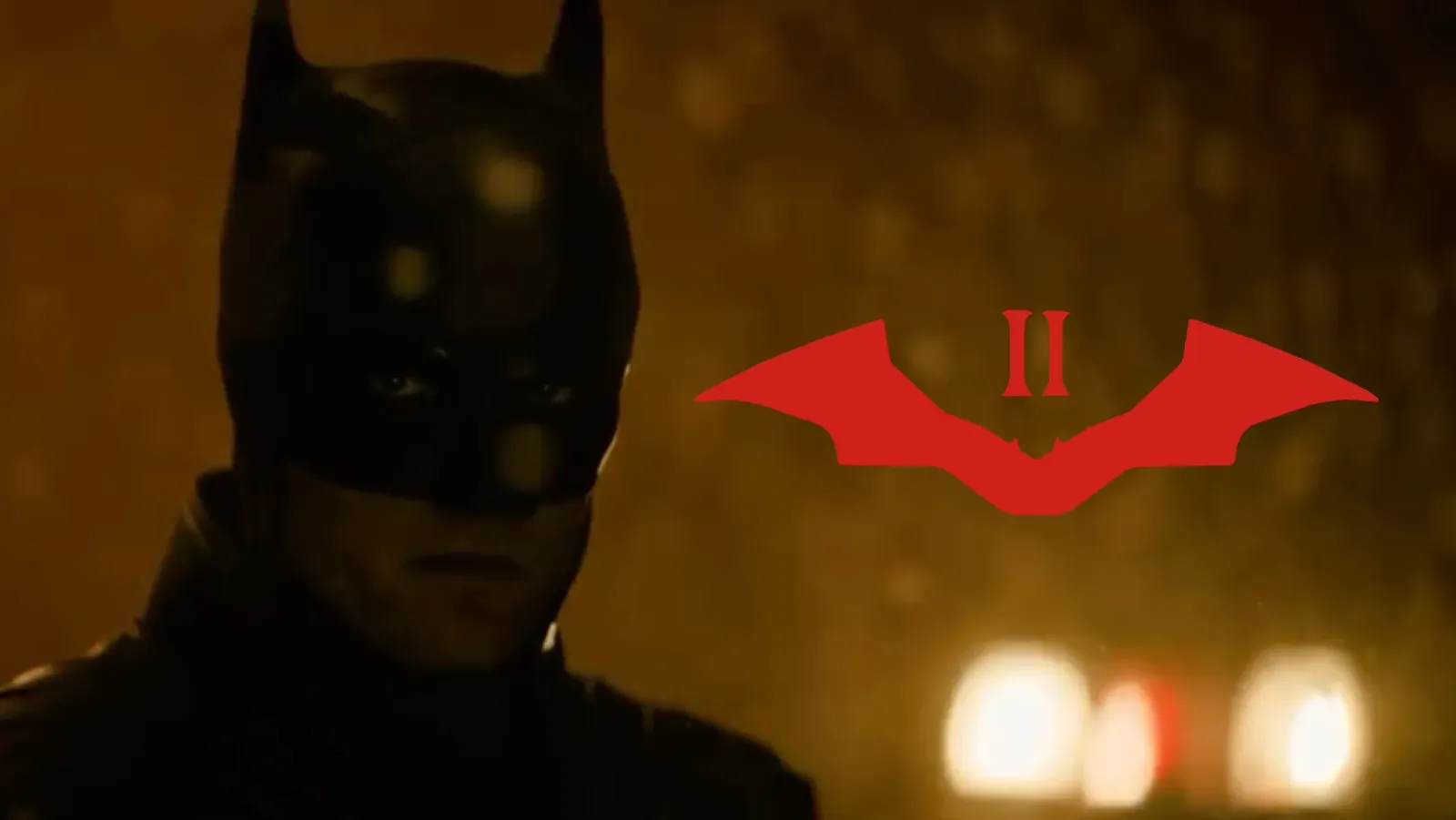
Matt Reeves shared the first look at Robert Pattinson as the Caped Crusader for The Batman Part II. The delay to 2028, paired with the teaser, reshapes planning for studios and investors tracking blockbuster pipelines.
Matt Reeves just posted the first look at Robert Pattinson in The Batman Part II, and it is exactly the kind of “we are still moving” signal that studios need when timelines slip. Reeves shared the teaser on social media, featuring a short video of Pattinson suited up as the Caped Crusader. Even in clip form, the staging lands: dramatic music, Batman’s back at the center of the frame, and a slow turn that gives the audience time to lean in.
The headline and the timing matter because The Batman Part II is not arriving soon. Deadline notes the film has been delayed until 2028, which means Reeves’s teaser is doing double duty. It keeps the franchise conversation alive during a long runway, while reminding fans and industry watchers that the project is still actively in motion despite the wait.
This is the reality of modern blockbuster scheduling. When a studio pushes a major sequel out by years, it is not just a release-date tweak. It changes marketing cadence, talent availability, and the internal math behind budgets and forecasts. A teaser like this is a quick, controlled way to stop the story from going cold. It gives executives something tangible to point to internally: yes, the movie has moved. Yes, it still has a Batman.
Reeves, the director, is also the kind of creative leader whose public signals can carry real weight. In studios, directors often sit at the intersection of artistic continuity and practical delivery. Reeves sharing the first look on social media functions like a status update from the top of that triangle. It says the team is still aligned on the look and feel, and it holds brand attention steady while the production timeline stretches.
The teaser itself is built to perform. With dramatic music and Batman framed from behind, it leans into iconic recognition rather than plot details. That is smart from a communications standpoint. When a film is delayed until 2028, you cannot tease story resolutions that will spoil later. So you tease the identity: Pattinson as the Caped Crusader, the suit, the silhouette, the mood. That is enough to satisfy the immediate demand without creating false expectations about what is next.
For decision-makers, the second-order implication is that attention is a scarce resource, even when a release date is far away. Studios compete for mindshare across streaming, games, live events, and other franchise rollouts. When a release slips to 2028, the window for that competition keeps running. A teaser becomes an investment in sustained relevance, not just fan service. It can influence how executives talk about momentum, how boards evaluate the health of a slate, and how investors think about brand strength over time.
There is also a market signaling layer here. The Batman franchise is part of a broader ecosystem where viewers associate certain directors and actors with certain kinds of cinematic experiences. A long delay can risk breaking the “mental model” audiences have built. Reeves posting Pattinson suited up helps preserve that mental model. It is a reminder that the sequel is not a ghost story. It is an on-ramp that still leads somewhere.
Finally, the industry stake is straightforward: sequels are capital-intensive bets, and the calendar is unforgiving. Pushing a major release to 2028 means the studio has more time to plan, but also more time for uncertainty. Teasers like this reduce perceived drift. They keep the project visible, keep stakeholders engaged, and keep the franchise narrative warm. For peers in similar roles, the lesson is clear: when timelines slip, controlled visibility beats silence, and identity-first updates can keep both fans and the market from losing patience.
This story's Key Insights and Take-aways are locked.
Create a free account to unlock Executive Actions for one credit.
Register to UnlockAlways free for Executives Club members. Join the Club
More in Entertainment

12TB Steam 'teraleak' goes beyond Valve: GTA 3, Mafia 2 prototypes exposed
A 12-terabyte dump of Steam data reveals prototypes and builds of third-party classics like GTA 3 and Mafia 2, plus unreleased Valve content, rewriting game history.

LinkedIn's romance problem: 1 in 4 workers say dating on it is fair game
A new survey shows a quarter of U.S. employees treat the professional network as fair game for romance, even as LinkedIn bans it and removes hundreds of thousands of offending posts.

Enhypen's first No. 1 album breaks K-pop's Billboard 200 streak
The K-pop group's 98,000-unit debut tops the chart while Dolly Parton's catalog reentry shows how death reshapes streaming.