
Boosie paid $600,000 for a Trump pardon, and it went nowhere
A handgun case, a pricey lobbying effort, and a refund request raise uncomfortable questions for anyone underwriting “legal outcomes.”
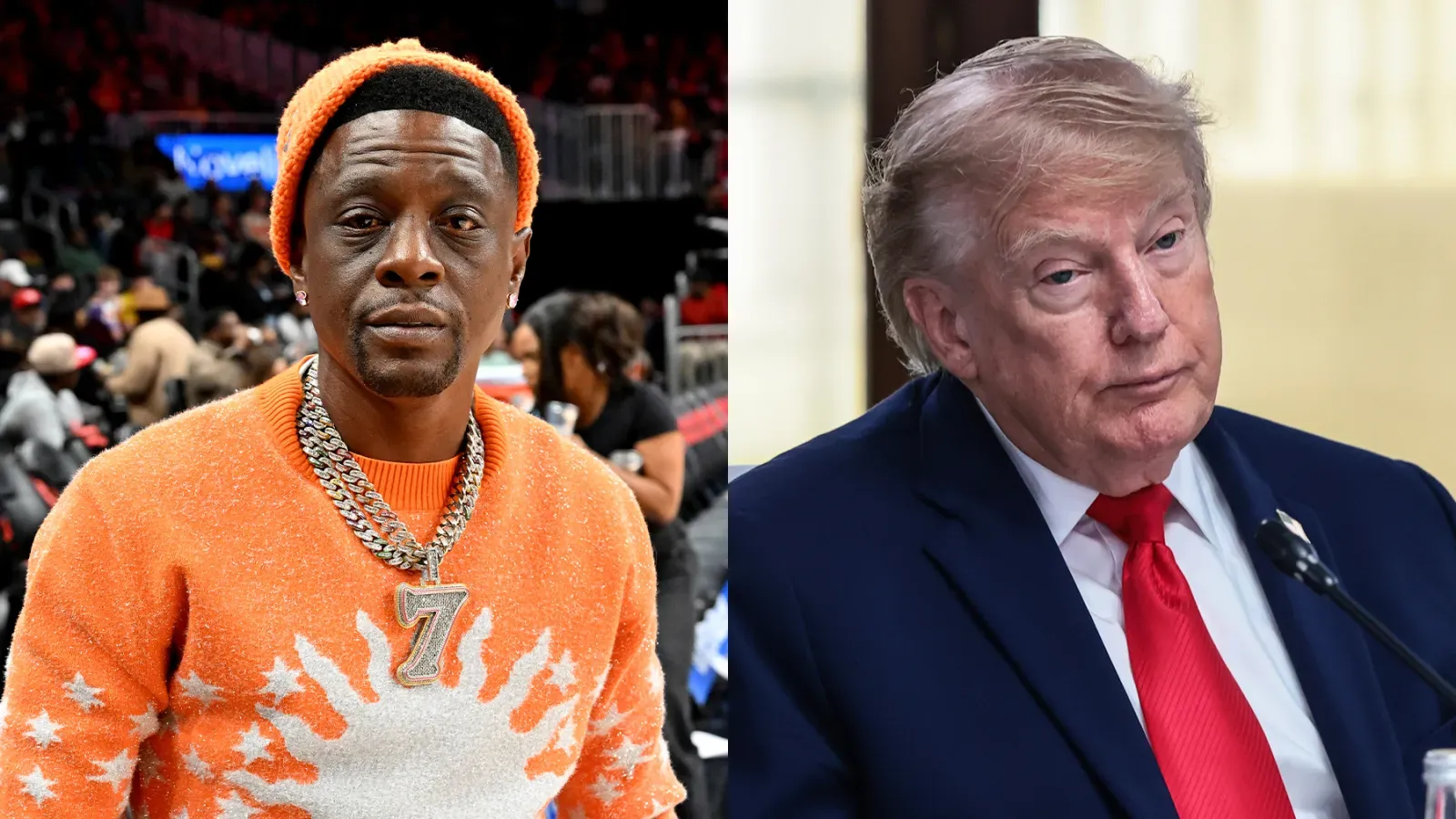
Rapper Boosie reportedly tried to buy a presidential pardon by paying $600,000 for lobbyists tied to a handgun charge, but the pardon did not materialize. For dealmakers and boards, the episode is a cautionary tale about incentives, contracting risk, and how “influence” can turn into a litigation-grade promise gap.
Rapper Boosie reportedly tried to pay $600,000 to secure a presidential pardon related to a handgun charge, and according to the report, it was never going to work. Now, Boosie is asking for a refund. In other words: the price tag was real, the desired outcome was not, and the failure is forcing the conversation from celebrity headlines into something more familiar to operators and executives, namely, what happens when a high-stakes intermediary sells certainty.
The core fact in Rolling Stone's account is blunt. Boosie reportedly paid a team of lobbyists to secure a Trump pardon tied to a handgun charge, and when the outcome did not happen, he moved to get his money back. That refund request matters because it frames the arrangement as something more transactional than “best efforts,” at least from Boosie’s perspective. And once a dispute enters the public record, the questions do not stop at the rapper. They expand to everyone who has ever underwritten a lobbying relationship with the hope that policy is a lever that can be pulled on command.
To understand why this kind of pitch runs into trouble, you have to look at how presidential pardons actually sit in the system. A presidential pardon is discretionary executive clemency. That means no one can credibly guarantee the outcome the way you might guarantee a contract deliverable, a hiring process, or even the timing of certain regulatory approvals. In a normal procurement, you can define acceptance criteria. With a pardon, the “acceptance criteria” are essentially the president’s decision, based on factors the public may never fully see. That gap between what influence can attempt and what it can legally promise is where money arrangements often get strained.
This is not just a legal curiosity. It is also a risk management question. When a client pays for political or legal advocacy, the service provider may offer a narrative about access and strategy, but the client is usually buying time, effort, and representation, not control. If the buyer’s expectations are that the intermediary can “secure” an outcome, the relationship can turn from advocacy into a dispute over whether the intermediary actually delivered what was implied. In that sense, Boosie’s refund request signals a possible mismatch between the way the arrangement was marketed and the outcome that occurred.
Lobbying and political consulting also operate on incentive structures that look very different from, say, corporate consulting. Lobbyists and political staffers typically work within timelines, constraints, and shifting priorities. Even when they do everything they can, the final call can depend on executive calendars, legal considerations, and the president’s broader policy posture. That means the seller can say they worked the problem. The buyer can say they bought a result. When the result does not show up, the argument often becomes not “did anyone try,” but “what exactly did you sell, and what should the price have secured.”
Second-order effects here are significant, especially for executives who think in terms of reputational risk and board-level oversight. If a deal depends on political goodwill, the downside is not merely financial. It can include credibility damage if the arrangement appears to blur legal boundaries or imply that outcomes can be purchased. Even absent wrongdoing, the optics can be enough to trigger scrutiny from regulators, auditors of political activity, or just the court of public opinion that moves faster than legal process. When money flows toward “getting the outcome,” the story becomes inherently testable: what was promised, what was delivered, and whether there was a claim of certainty.
For boards and leadership teams, the bigger strategic lesson is how to structure anything that resembles outcome-based influence. Corporate life already has these issues in different clothes. Performance fees are common, but they are usually tied to measurable actions and clearly defined milestones. In political or legal advocacy, measurability is harder. The Boosie episode is a reminder that “success” can be outside the contractor’s control, so agreements that look like they guarantee results can become liabilities when reality refuses to cooperate.
If you are a founder, investor, or operator watching this, the takeaway is not that advocacy is pointless. It is that advocacy should never be packaged as a controllable product. Rolling Stone’s account says Boosie reportedly paid $600,000 for lobbyists to secure a Trump pardon over a handgun charge, and when it did not work, he sought a refund. For decision-makers in any sector, that is the headline you should remember: when the desired outcome is inherently discretionary, you are not just buying access. You are buying the risk of expectation mismatch, and those are the risks that can end up in court, in headlines, and on balance sheets.
This story's Key Insights and Take-aways are locked.
Create a free account to unlock Executive Actions for one credit.
Register to UnlockAlways free for Executives Club members. Join the Club
More in Entertainment

12TB Steam 'teraleak' goes beyond Valve: GTA 3, Mafia 2 prototypes exposed
A 12-terabyte dump of Steam data reveals prototypes and builds of third-party classics like GTA 3 and Mafia 2, plus unreleased Valve content, rewriting game history.

LinkedIn's romance problem: 1 in 4 workers say dating on it is fair game
A new survey shows a quarter of U.S. employees treat the professional network as fair game for romance, even as LinkedIn bans it and removes hundreds of thousands of offending posts.

Enhypen's first No. 1 album breaks K-pop's Billboard 200 streak
The K-pop group's 98,000-unit debut tops the chart while Dolly Parton's catalog reentry shows how death reshapes streaming.