
Broadway’s Cats: The Jellicle Ball closes early, sparking Sara Ramirez, Ben Platt, and Rachel Zegler backlash
The critically lauded Cats reinvention ends sooner than expected, and performers are calling the move heartbreaking, a travesty, and a WTF.
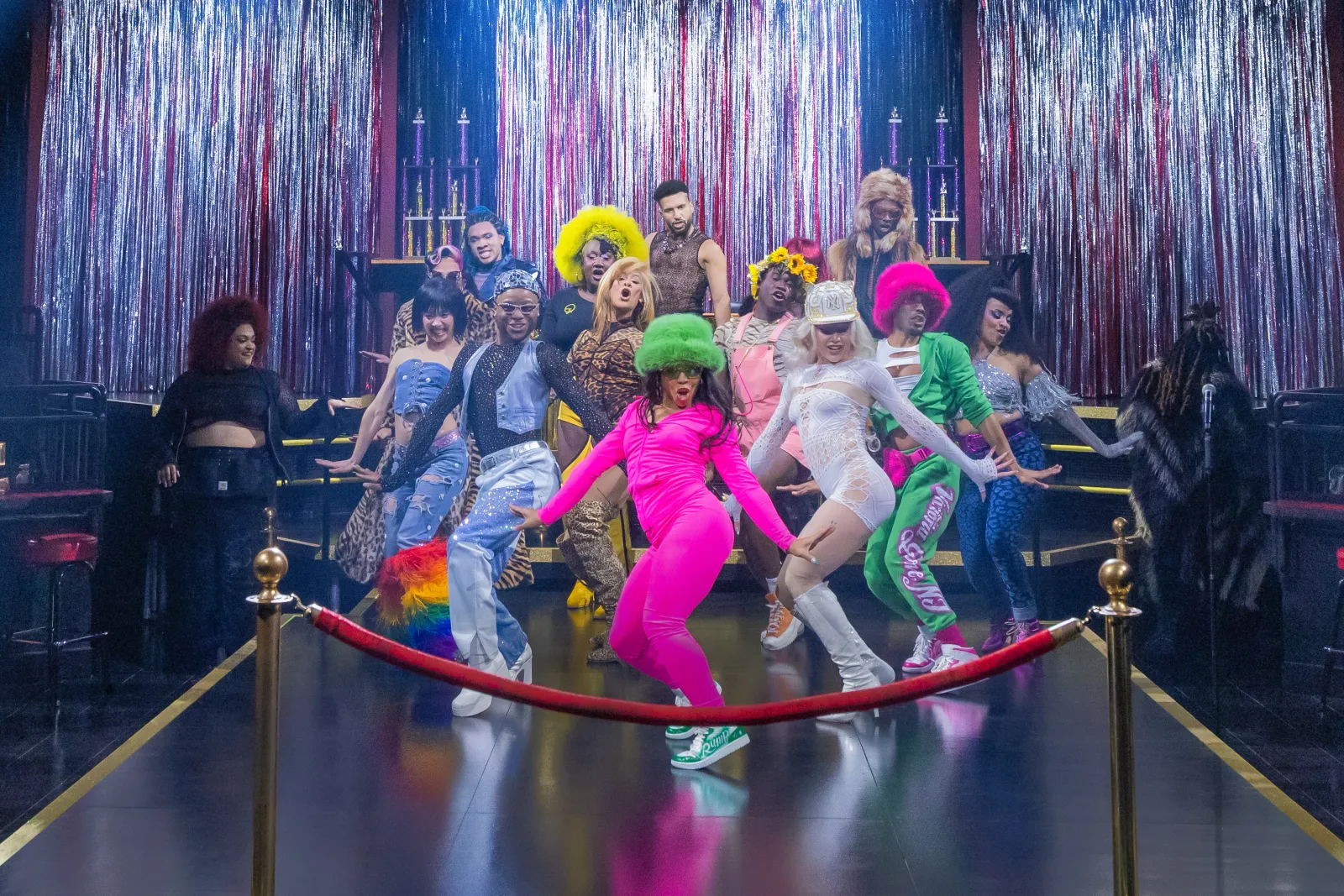
Sara Ramirez, Ben Platt, and Rachel Zegler are among the Broadway performers and fans reacting after Cats: The Jellicle Ball announced an early closing. For decision-makers across theatre, this is a live test of how high-risk creative reinventions get judged, funded, and survived.
Cats: The Jellicle Ball is shutting down sooner than the cast, creative team, and audience were banking on. The early closing announcement has detonated across Broadway social feeds, with Sara Ramirez describing it as “heartbreaking,” Ben Platt calling it “a travesty,” and Rachel Zegler delivering what Deadline characterizes as a succinct “WTF.” That split-second trio matters because it signals the same thing Broadway always wrestles with: when a production is both critically celebrated and commercially fragile, the business reality can still win.
The show at the center of the backlash is not the familiar Cats most people remember. Cats: The Jellicle Ball was pitched as a reinvention of Andrew Lloyd Webber’s long-running, now-and-forever musical, and it relocated the feline action from the alley to a new setting. Deadline’s report frames it as a critically lauded update, which is the setup that makes the early closure feel especially bruising. If a show is praised and still closes early, it raises the obvious question that theatre leaders and investors dread but need to answer: what, exactly, did the market not reward?
To understand why this reaction is so loud, you have to understand the incentives behind Broadway musicals. Producers are always balancing three timelines at once. There is the creative timeline, where critical acclaim can build late momentum. There is the audience timeline, where opening-week excitement and word-of-mouth drive ticket sales quickly, especially for expensive seats. And there is the financial timeline, where weekly costs and theatre economics do not pause for critics. Even when the creative bet is smart, the math has to work soon enough, because capital tied up in a production has an opportunity cost. Early closing is the business equivalent of hitting the brakes hard, even if the artist in you thinks the car could have accelerated.
That is why performers reacting publicly is more than celebrity noise. Broadway runs on reputations as much as it runs on box office. When Sara Ramirez calls the outcome “heartbreaking” and Ben Platt labels it “a travesty,” they are not just sharing feelings. They are also underlining how painful it is for artists when a major reinvention does not get a real runway. Rachel Zegler’s “WTF” adds another layer: the cultural expectation that a critically lauded work should be able to survive long enough for audiences to catch up.
Now zoom out to the boardroom dynamics and deal mechanics that sit underneath the curtain. Broadway productions often involve layered financing and risk sharing, with investors, producers, and landlords each evaluating the show’s trajectory. When a show closes early, it can force difficult reallocations: contracts, insurance considerations, and the redeployment of capital to other projects. Deadline does not provide the financial specifics of Cats: The Jellicle Ball’s closing decision in the excerpt you shared, so it would be irresponsible to pretend we know the exact trigger. But the pattern is familiar: if ticket demand and weekly performance do not meet the threshold needed to justify continued running costs, the production ends, regardless of reviews.
There is also a second-order implication for the industry: reinventions of proven IP have higher perceived stakes than brand-new works. Andrew Lloyd Webber’s catalog carries its own gravitational pull, and a new staging concept like moving the feline action from the alley to a different environment is a statement. It says, “We are not preserving nostalgia only. We are trying something bigger.” But when that kind of risk fails in the market, it can chill future bets. Boards and investors may become more conservative about how much creative transformation they can fund without a faster commercial payoff, which changes what audiences see next season.
This is where the backlash becomes strategically relevant to operators, not just fans. When the performers and audience reaction includes the words “heartbreaking,” “a travesty,” and “WTF,” it tells other stakeholders that the story is not confined to spreadsheets. It becomes a reputational signal. For a producer or executive overseeing a slate, the concern becomes: can you protect creative innovation while still hitting the performance targets that prevent early closure?
Deadline’s framing makes one thing clear: Cats: The Jellicle Ball’s early closing is being interpreted as a collision between critical praise and commercial endurance. That collision is exactly what everyone in theatre financing worries about, because it changes the rules for the next reinvention, the next revival, and the next attempt to modernize a long-running brand. If you lead any organization where a costly creative bet can be judged too quickly, this is your reminder that the market might reward the idea, then punish the timing.
This story's Key Insights and Take-aways are locked.
Create a free account to unlock Executive Actions for one credit.
Register to UnlockAlways free for Executives Club members. Join the Club
More in Entertainment

12TB Steam 'teraleak' goes beyond Valve: GTA 3, Mafia 2 prototypes exposed
A 12-terabyte dump of Steam data reveals prototypes and builds of third-party classics like GTA 3 and Mafia 2, plus unreleased Valve content, rewriting game history.

LinkedIn's romance problem: 1 in 4 workers say dating on it is fair game
A new survey shows a quarter of U.S. employees treat the professional network as fair game for romance, even as LinkedIn bans it and removes hundreds of thousands of offending posts.

Enhypen's first No. 1 album breaks K-pop's Billboard 200 streak
The K-pop group's 98,000-unit debut tops the chart while Dolly Parton's catalog reentry shows how death reshapes streaming.