
Spain vs. France draws 11.462M viewers on Fox, setting the most-watched semifinal record
The FIFA Men’s World Cup 2026 semifinal hits 11.462 million on Tuesday, reshaping the playbook for English-language U.S. sports TV.
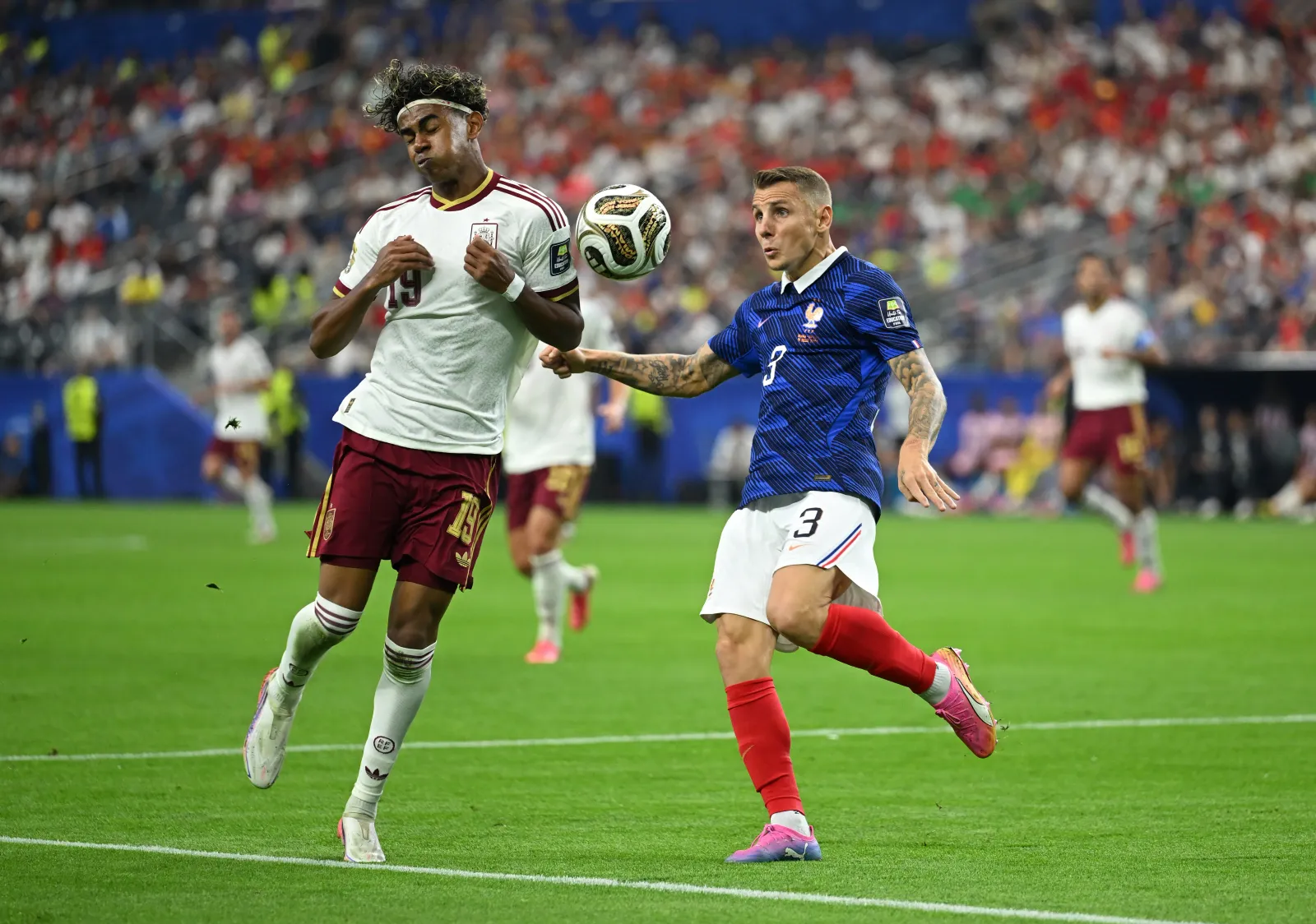
FIFA Men’s World Cup 2026 Tuesday’s semifinal between Spain and France averaged 11.462 million viewers on Fox. For media executives and rights holders, the result becomes the most-watched World Cup semifinal telecast in U.S. English-language TV history.
Tuesday’s FIFA Men’s World Cup 2026 semifinal between Spain and France averaged 11.462 million viewers on Fox, according to Variety. That audience figure is now the most-watched FIFA Men’s World Cup semifinals telecast in U.S. English-language TV history.
And it is not just a vanity number. The record-breaking audience was watching Spain knock out France and move on, which matters because it ties the ratings peak to an actual bracket moment, not a marketing campaign or a slow-burn curiosity trend. In other words: the sport delivered, the audience showed up, and the semifinal stage proved it can still command national attention.
If you are an executive in media, distribution, or sports partnerships, this is the kind of data point that quietly rewrites internal assumptions. Semifinals are typically the point where viewers either commit or drift away. Seeing 11.462 million average viewers on English-language U.S. TV signals that the highest-stakes matches are still appointment viewing, not optional entertainment. That distinction matters when stakeholders are debating everything from programming budgets to ad inventory planning, and it matters when networks and leagues are negotiating future rights windows.
There is also a market structure angle here. English-language U.S. TV ratings for global properties tend to be highly sensitive to “local friction,” including how easily casual viewers can follow stakes, matchups, and tournament progression. A semifinal is the cleanest narrative device in the tournament structure, because the path to the final is immediate and the outcome is irreversible. The combination of “global event” and “instant consequences” can compress viewing decisions into one question: do I want to see who survives? This 11.462 million figure suggests the answer is a lot of people, at once, and in a way that is measurable at national scale.
From a business perspective, record-setting viewership can amplify second-order effects across the whole sports media ecosystem. Higher peaks often translate into stronger demand for advertising slots around similar events, and they can also affect how networks package promos and cross-platform campaigns leading into later games. Even if your operation is not directly tied to FIFA, the “semifinal as a ratings anchor” insight tends to leak into broader scheduling strategy for other live properties: tournaments, championships, playoff series, and high-leverage international matchups.
There is also a regulatory and compliance backdrop that executives typically keep at the edge of their minds when global sports land in U.S. households. While the source does not discuss regulators directly, the World Cup’s presence on English-language U.S. television sits inside a world where networks operate under ongoing content, advertising, and broadcast standards frameworks. When viewership rises to historic levels, scrutiny can rise too, not necessarily from new rules, but because high-visibility programming increases the likelihood of audits, consumer complaints, and advertiser sensitivity. In plain English: when the audience gets bigger, the margin for error gets smaller.
Finally, the story ends with the sport doing its job: Spain knocked out France and advanced. That detail is important for executives because it links outcome-driven excitement to audience behavior. Viewers did not just watch “a semifinal.” They watched the moment a team earned its ticket forward. For media strategists, that is a reminder that ratings do not only come from promotion or distribution. They come from the combination of credibility, stakes, and outcomes that feel consequential in real time.
So what is the strategic stake for peers? If 11.462 million viewers on Fox is now the most-watched U.S. English-language semifinal in FIFA Men’s World Cup history, then the market is signaling something blunt: the later stages of major international tournaments still have outsized commercial leverage. For executives planning rights, partnerships, and ad products, the bar is higher. The opportunity is bigger. And the risk is that future events will be judged against a new, freshly proven benchmark.
This story's Key Insights and Take-aways are locked.
Create a free account to unlock Executive Actions for one credit.
Register to UnlockAlways free for Executives Club members. Join the Club
More in Entertainment

12TB Steam 'teraleak' goes beyond Valve: GTA 3, Mafia 2 prototypes exposed
A 12-terabyte dump of Steam data reveals prototypes and builds of third-party classics like GTA 3 and Mafia 2, plus unreleased Valve content, rewriting game history.

LinkedIn's romance problem: 1 in 4 workers say dating on it is fair game
A new survey shows a quarter of U.S. employees treat the professional network as fair game for romance, even as LinkedIn bans it and removes hundreds of thousands of offending posts.

Enhypen's first No. 1 album breaks K-pop's Billboard 200 streak
The K-pop group's 98,000-unit debut tops the chart while Dolly Parton's catalog reentry shows how death reshapes streaming.