
Brent crosses $100: the inflation signal CEOs can't ignore
Oil's leap past $100 per barrel upends cost assumptions, pricing power, and central bank timing for leaders across every margin-sensitive industry.
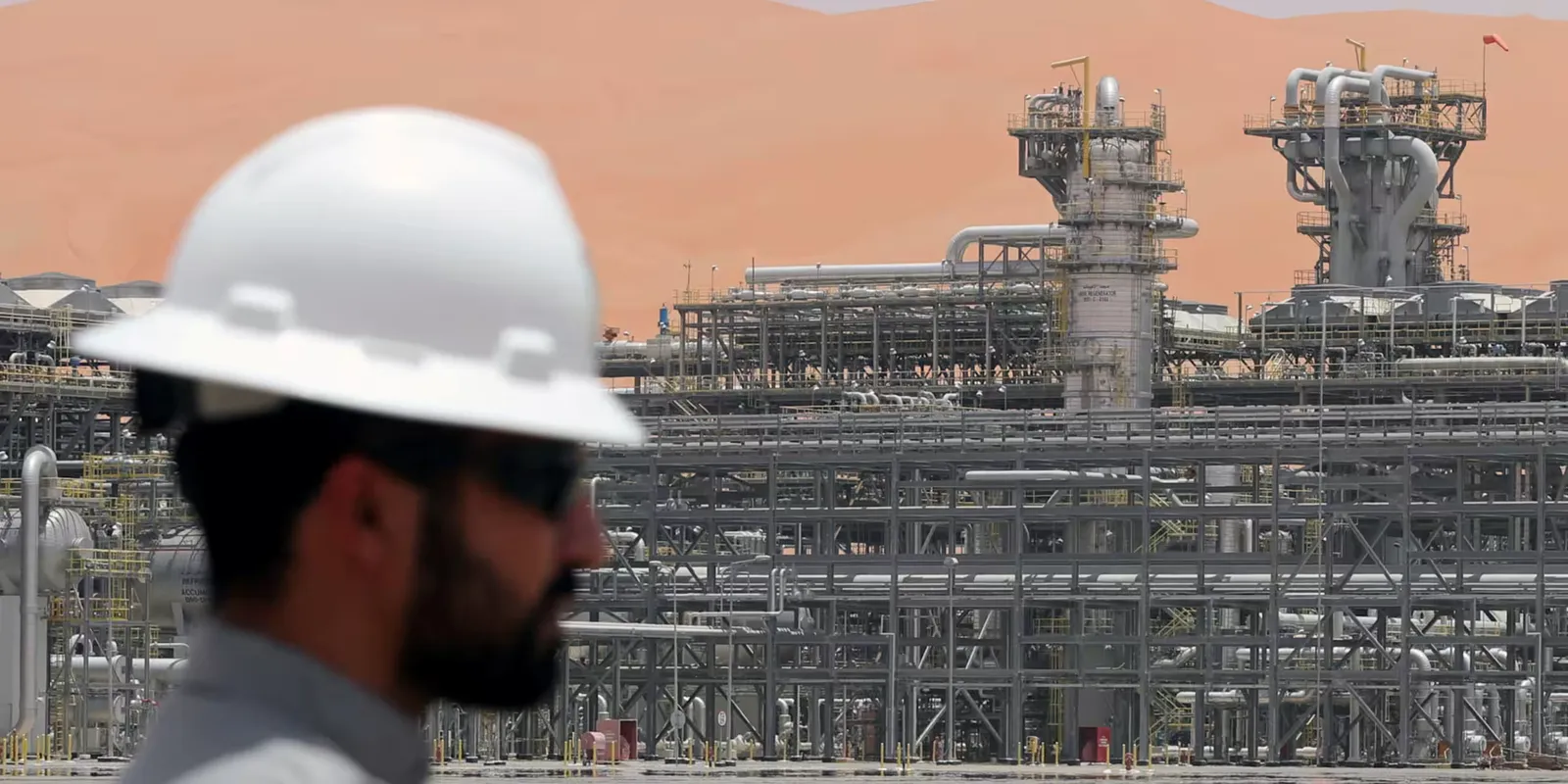
Brent crude has surpassed $100 per barrel, according to Nikkei Asia, as inflation fears mount across global markets. The breach forces CFOs and boards to reassess energy hedging, cost pass-through, and rate-cut expectations.
Brent crude oil has crossed the $100-per-barrel threshold, a symbolic and practical milestone that is sending a fresh jolt through the global economy. The move, reported by Nikkei Asia, arrives as inflation fears mount, rippling from the pump to the pricing decisions made in boardrooms everywhere. For executives, this is not just a commodity tick - it is a cost shock that lands directly on transport, plastics, fertilizer, logistics, and every energy-intensive stage of the supply chain. Companies that locked in cheaper oil contracts are suddenly holding a quiet competitive edge; those buying at spot prices are watching margins compress in real time.
The message for decision-makers is immediate: the era of easy energy costs just got more expensive, and the math on 2025 budgets may already be stale. The timing is particularly uncomfortable because inflation had been showing signs of cooling in many major economies, giving central banks room to contemplate rate cuts. A sustained climb in crude threatens to reopen that inflation chapter, forcing policymakers to keep borrowing costs higher for longer. For a CFO, that translates into a heavier cost of capital, tighter liquidity conditions, and a tougher environment for refinancing debt or funding expansion plans. The first two paragraphs are the payoff, and the stakes are concrete: $100 oil rewrites the assumptions on both your P&L and your balance sheet.
For context, triple-digit crude is historically an outlier that arrives with force rather than a gentle drift. In past episodes, the climb to $100 per barrel has typically followed a supply shock, a geopolitical rupture, or a sudden rebound in demand that caught producers off guard. The current breach suggests the market is pricing in a tighter supply picture and sustained consumption, even as economic growth forecasts remain cautious. That combination is especially tricky because it does not point to one clean cause - and without a single, addressable culprit, there is no obvious off-switch for the price pressure. Executives should therefore plan for the possibility that oil stays above $100, not assume it snaps back quickly.
The inflation transmission mechanism is brutal in its simplicity: oil is baked into nearly every physical good. Crude is refined into fuel, but it also becomes a feedstock for chemicals, packaging, synthetic fibers, and construction materials. As those input costs rise, manufacturers face a choice - raise prices and risk losing customers, or absorb the hit and sacrifice margin. Households feel the pain at the pump and in utility bills, weakening consumer confidence and tightening discretionary spending. That dynamic matters well beyond energy companies; it reshapes the demand outlook for airlines, retailers, restaurants, and any business with a thin margin between wholesale costs and what consumers are willing to pay.
The second-order effects are just as consequential for capital allocators. Rising oil tends to drag on currencies of net importers, push bond yields up as inflation expectations reset, and rotate investor attention toward energy equities as a hedge. Meanwhile, sectors that looked attractive in a low-inflation world - long-duration tech, consumer discretionary, real estate - become harder to value when discount rates rise. Boards should expect investors to sharpen their questions about exposure to energy prices, and those questions will not be limited to the energy sector. Every earnings call from here on is likely to include a version of: how much did $100 oil cost you this quarter, and what is the plan if it goes to $110?
Strategically, this creates both risk and opportunity. Companies that act early can convert a macro shock into a competitive advantage. The playbook starts with an audit of energy and commodity exposure across the value chain, not just the obvious fuel line. Locking in prices through futures or longer-term supplier contracts can provide breathing room, while inventory management and freight routing can be optimized for a higher fuel price environment. For boards, the challenge is to avoid the two classic errors: treating $100 oil as a temporary blip, or overreacting by slashing growth plans that still make sense. The leaders who will emerge strongest are those who stress-test their business against a sustained triple-digit crude scenario and make deliberate bets on pricing, hedging, and capital allocation accordingly. The threshold has been crossed, and the question is no longer if it matters - it is how long the market stays there, and who is ready for it.
This story's Key Insights and Take-aways are locked.
Create a free account to unlock Executive Actions for one credit.
Register to UnlockAlways free for Executives Club members. Join the Club
More in Business

Royal Caribbean just spent $3B to own half of Sandals
The cruise giant is buying a 50% stake in the all-inclusive resort chain for $3 billion, a bet that land-based vacations are the next growth engine.

Paramount's Ellison: Merger Clearance Done, WBD Deal by Oct 1
David Ellison says the Paramount-WBD merger has full clearance after settling with state AGs, clearing the path for an October 1 close.

Paramount settles with 12 states, $110B Warner merger clears final hurdle
David Ellison's studio avoids a March trial and a $7M-a-day ticking fee by settling with state AGs over local job losses.