
Buffett, 96, abruptly steps down as Berkshire chairman, handing role to son Howard
The 96-year-old's exit completes the transfer to CEO Greg Abel and puts Howard Buffett in charge of guarding Berkshire's culture and values.
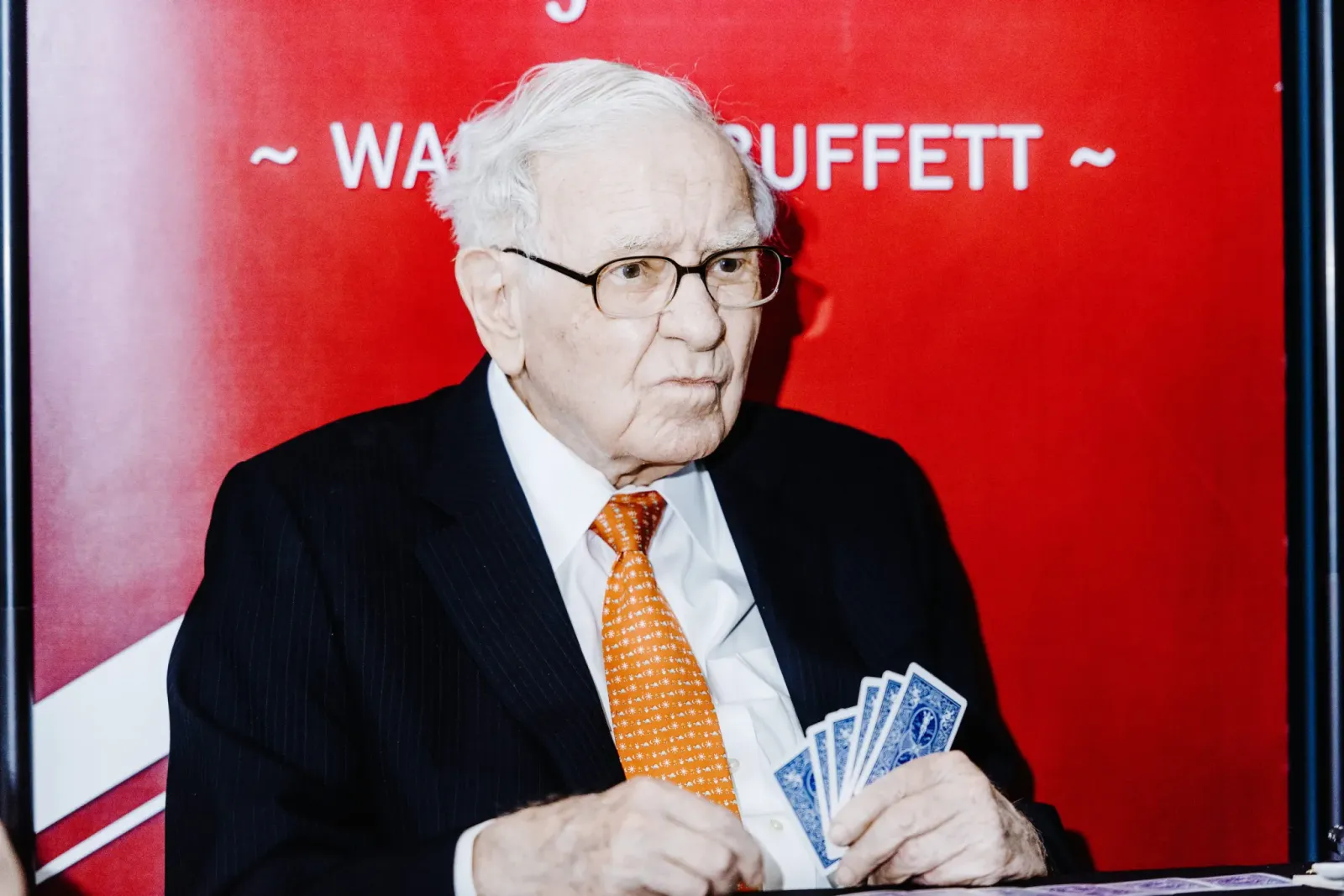
Warren Buffett, 96, announced Friday he is stepping down as Berkshire Hathaway's chairman effective immediately, handing the role to his son Howard as part of a long-standing plan. The immediate shift completes the succession to CEO Greg Abel and frees Berkshire's massive cash pile for faster deployment, putting investors on watch for bigger bets and buybacks.
Warren Buffett, 96, announced Friday that he is stepping down as chairman of Berkshire Hathaway, effective immediately, handing the role to his son Howard under a succession plan decades in the making. "Serving as your Chairman has been the privilege of a lifetime, and I have never taken your trust for granted. Father Time always wins. He has, however, been generous with me," Buffett wrote to shareholders, adding that his 1-year-old great-grandchild is "moving a bit faster than I am these days." The move from chairman to chairman emeritus accelerates a transition that began in January, when Buffett officially handed the CEO job to Greg Abel after six decades at the helm, following his May 2025 announcement. Buffett will remain a director; Howard, 71, becomes chairman, and Susan Decker stays on as lead independent director.
The shift is more than ceremonial, and the market barely flinched. Berkshire's class B shares dipped 0.3% on Friday and are up just 1% year to date, far behind the S&P 500's 11.5% gain as investors have chased the AI trade instead of the conglomerate. But the real signal is inside the transition: Buffett said Abel, who now runs the company "in every respect," is making calls without any second-guessing from his predecessor. Abel has already started deploying Berkshire's enormous cash pile, which had grown for years as Buffett complained about high valuations and a lack of bargains. Earlier this year, Abel bought $10 billion of Alphabet shares and reached a deal to acquire homebuilder Taylor Morrison for an enterprise value of $8.5 billion. With Abel firmly in charge, Buffett said, now is the right time to "complete the transition."
The handoff has been carefully choreographed, even if the exit itself felt abrupt. Howard has been a Berkshire director for 33 years, a longer apprenticeship than the one his father served before becoming CEO at 34. Buffett framed the split in plain terms: "Greg runs the company; Howard will guard its culture and values - both worth more than anything on our balance sheet. Think of Howard as a policy the shareholders own and hope never to claim against." That division of labor gives Berkshire a rare two-person answer to the classic founder-succession problem, separating operational control from cultural stewardship.
Buffett also made clear he will not hover. He said the company is "in excellent hands," and that he looks forward to remaining a shareholder. There is no "ruling from the grave" here, a phrase he has used before; instead, the family is handing decision rights to the next generation. Howard and his two siblings are responsible for giving away their father's vast fortune, which the Bloomberg Billionaires Index lists at $145 billion. Buffett has acknowledged that his earlier ambitions for that wealth did not all go as planned. Rather than a single sweeping plan, he is directing most of his remaining wealth to his three children's charitable foundations, allowing them to distribute about $500 million each year. "All three children now have the maturity, brains, energy and instincts to disburse a large fortune," Buffett wrote in a November letter to shareholders. "Ruling from the grave does not have a great record, and I have never had an urge to do so."
Howard has generally kept a lower profile than his father, but his philanthropy has already revealed a distinctive worldview. In CNBC remarks earlier this year, he and his siblings discussed the challenge of fighting poverty in places where conflict undermines the rule of law, naming countries such as Congo and Sudan. "There's a lot of things you can fund that will go nowhere," Howard said. "If you're not addressing the real issue of rule of law then you just can't have success." That view suggests a more activist, institution-building approach to giving, one that will make the Buffett name a force in policy-adjacent philanthropy for decades.
The immediate corporate stakes are clearer for investors. Abel is no longer in a shadow transition; he is the visible CEO with a fully empowered board structure and a chair whose mandate is cultural continuity, not operational interference. That removes one of the last lingering uncertainties about Berkshire's post-Buffett era. The company's cash pile, once a symbol of restraint, is now a weapon Abel can aim at takeovers, stock purchases, or more big stakes like the Alphabet position. For shareholders who have watched Berkshire lag the market, the question shifts from whether Abel will act to what he will buy next.
For other founders and boards, the episode is a case study in succession done deliberately but completed only when the founder lets go. Buffett's transition was announced, delayed, and then finished abruptly as Father Time applied pressure. Many family-led companies will face the same tension between cultural stewardship and operational authority; Berkshire just offered a template in which the two are split explicitly. The lesson, delivered with Buffett's usual candor, is that no company can rely on a single founder forever, and the smoothest handoffs prepare successors long before they are needed.
This story's Key Insights and Take-aways are locked.
Create a free account to unlock Executive Actions for one credit.
Register to UnlockAlways free for Executives Club members. Join the Club
More in Business

Royal Caribbean just spent $3B to own half of Sandals
The cruise giant is buying a 50% stake in the all-inclusive resort chain for $3 billion, a bet that land-based vacations are the next growth engine.

Paramount's Ellison: Merger Clearance Done, WBD Deal by Oct 1
David Ellison says the Paramount-WBD merger has full clearance after settling with state AGs, clearing the path for an October 1 close.
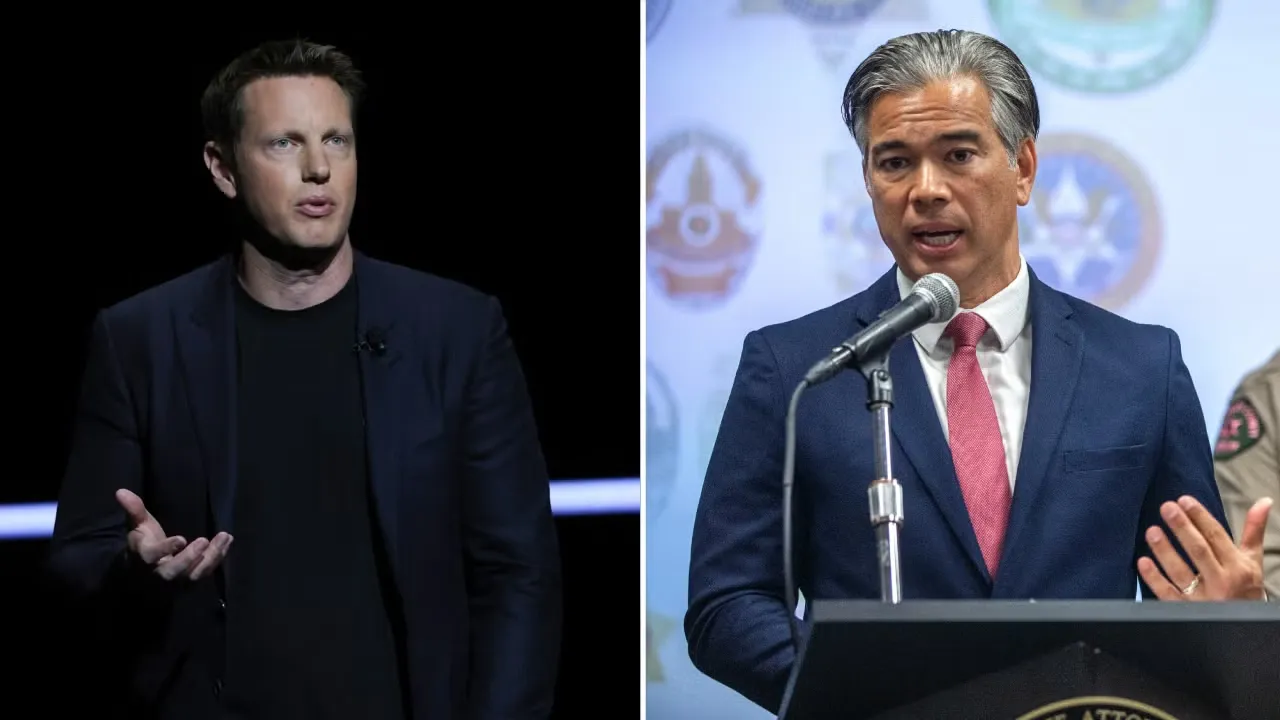
Paramount settles with 12 states, $110B Warner merger clears final hurdle
David Ellison's studio avoids a March trial and a $7M-a-day ticking fee by settling with state AGs over local job losses.