

Burnham blocks early prison releases until review is completed
The prime minister’s pause signals tighter scrutiny and longer timelines for justice policy and prison capacity planning.
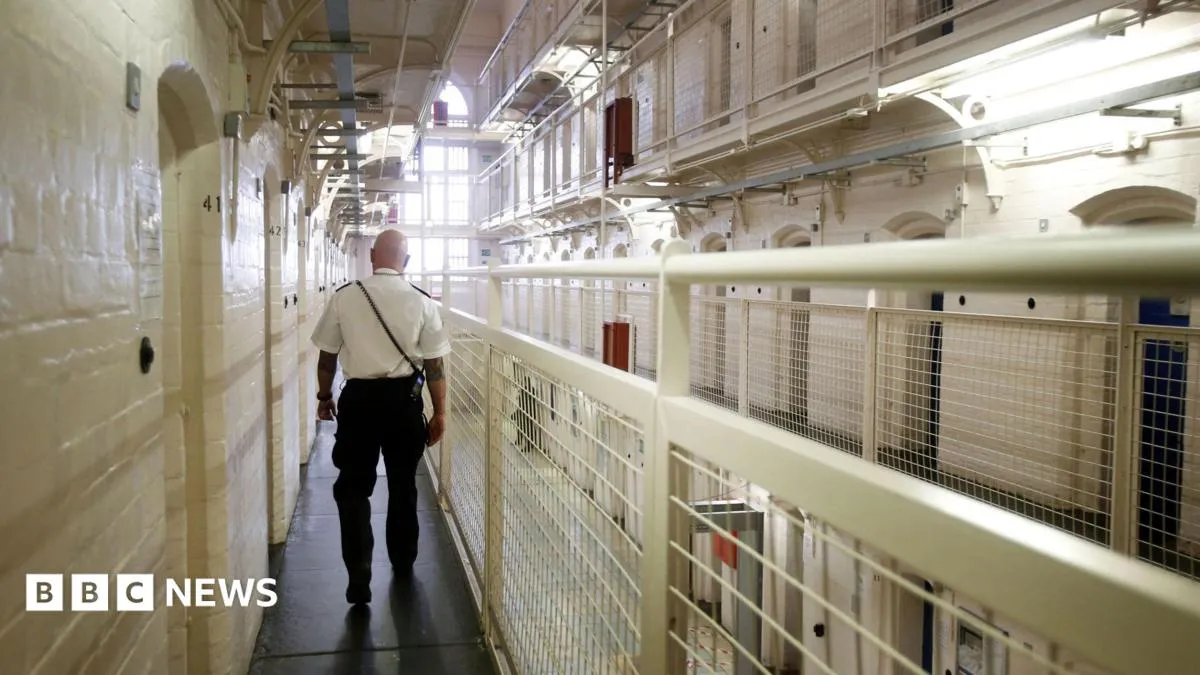
Prime minister Burnham said no prisoners will be released early until a review has been conducted. For decision-makers, the immediate consequence is delayed releases and the knock-on effects for operational, legal, and budget planning.
Prime minister Burnham has hit the brakes on an early prison release scheme, saying no prisoners will be released until a review has been conducted. In plain terms: the timeline changes first, the policy details follow later. That may sound procedural, but in justice systems, “until a review” can function like a hard stop with real-world impacts.
Burnham’s position means the scheme pauses before any releases happen. The BBC report is direct on the core point: no prisoners will be released until the review is completed. That matters because early release programs are usually justified as a way to manage caseloads, reduce costs, or respond to operational pressures. When you delay them, you are not just postponing a legal outcome, you are also postponing whatever downstream planning those releases were supposed to unlock.
To understand why executives outside politics should still care, think about how these kinds of “review gates” ripple through systems. A review creates a new dependency chain. Operational teams must keep staffing levels steady longer, because the “expected” movement of people out of custody does not arrive on schedule. Legal and compliance teams have to treat any action as contingent. And leadership has to plan for uncertainty, not just a different target date. In corporate land, it would be like a board deferring a major rollout until an audit is finished. The product doesn’t ship, the roadmap shifts, and budgets get pulled forward and then re-predicted.
Prison release policies also live at the intersection of law, public scrutiny, and capacity constraints. Even when a scheme is designed to be orderly, the legitimacy of early release is politically sensitive. That sensitivity increases the value of a review because it can confirm the criteria, check assumptions, or validate implementation. Burnham’s stance essentially prioritizes certainty over speed. No one gets out early until the review has been conducted, which reduces the risk of releasing prisoners under conditions later judged incorrect. The cost is time, and time is the one resource these systems often cannot easily spare.
There is also the governance angle. When a prime minister pauses a scheme pending review, it implicitly signals that existing approvals or prior planning might not be sufficient without additional scrutiny. That can tighten coordination between government departments, prison service operations, courts or review bodies, and any agencies responsible for administering releases. In practice, that can mean more paperwork, more checks, and more coordination meetings. For boards and senior executives in adjacent regulated sectors, the lesson is familiar: when leadership adds a review step, it is often because accountability needs to be demonstrably traceable.
Second-order implications show up quickly. If releases are delayed, prison capacity planning becomes more conservative. That affects not only physical accommodation but also day-to-day operational decisions: staffing, programming, transport, and case management. It can also influence budget timelines. Even if a government agency has a target to reduce expenditures, the spending profile might not move immediately when releases pause. In other words, “we will save money later” can turn into “we still pay now,” at least until the review clears and the scheme resumes.
Then there is the political signaling component. Burnham’s statement communicates that the executive branch wants control over the sequencing of justice outcomes. While the source does not provide details beyond the pause itself, the structure of the decision is meaningful: it is not a partial release, not a conditional exception, and not a vague promise to “look into it.” It is a categorical “no prisoners will be released until a review has been conducted.” Categorical policies tend to be easier to communicate to staff and the public, but harder for planners because they remove flexibility.
For peer leaders who sit in similarly high-stakes roles, the stakes are not only about policy execution. They are about governance credibility. When decisions are reversible, people can adjust quickly. When a pause is absolute, it forces a re-baselining of operations and planning. The strategic takeaway for executives and boards is straightforward: build contingency into timelines when leadership introduces review gates. And recognize that in regulated environments, delay is often used as a risk control mechanism, trading speed for defensibility and legitimacy.
This story's Key Insights and Take-aways are locked.
Create a free account to unlock Executive Actions for one credit.
Register to UnlockAlways free for Executives Club members. Join the Club
More in Politics
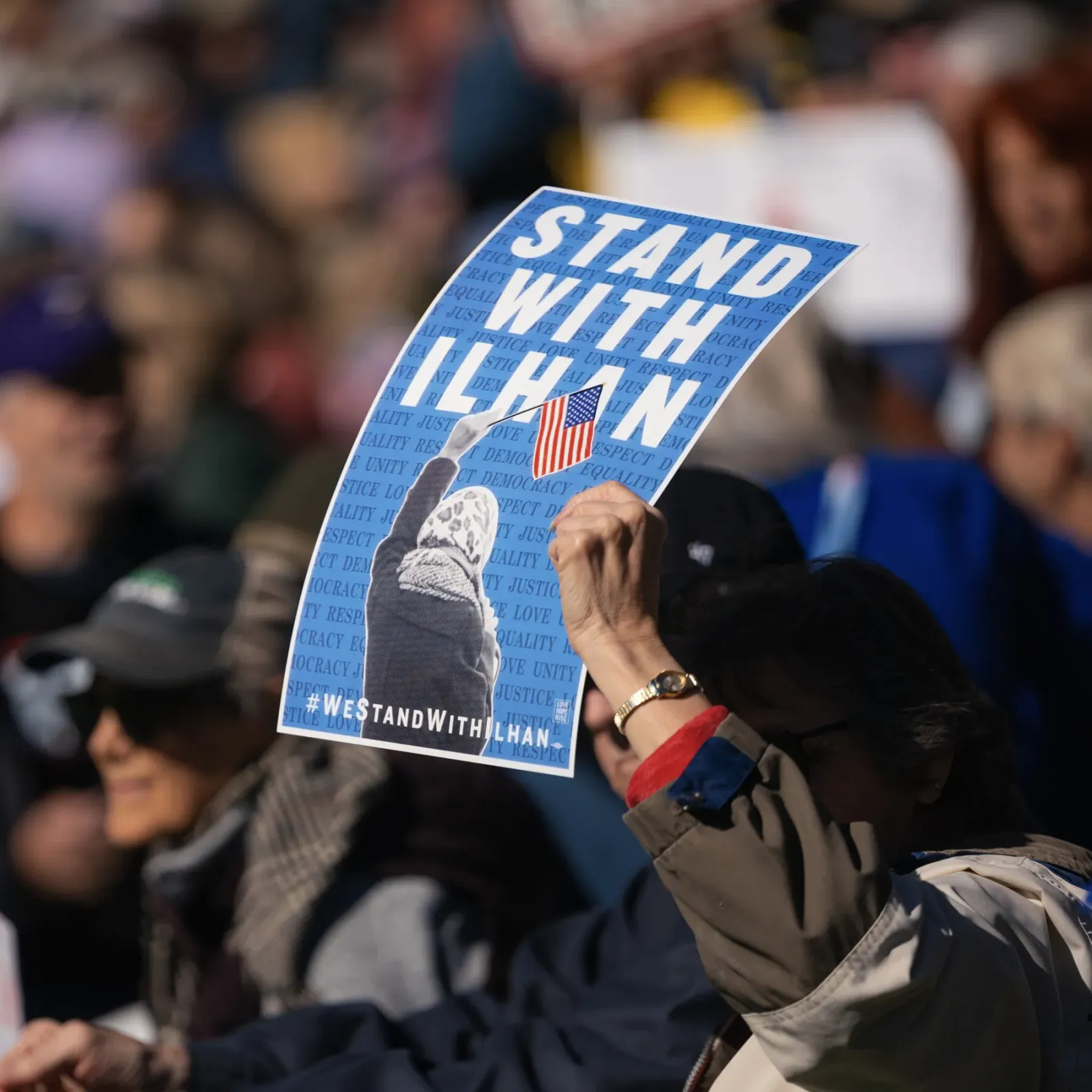
Obama Defends Ilhan Omar After Agents Search Her Home in Trump Inquiry
The former president's intervention raises the stakes in a federal probe into immigration paperwork that has put a prominent progressive lawmaker in the crosshairs.

Blair-era minister: cut welfare to fund youth job support
Alan Milburn's call for welfare cuts to fund employment support opens a Labour fight over benefits and the Neet crisis.

Hot September CPI: energy costs surge, voters feel the squeeze before midterms
The latest inflation print lands as Trump campaigns for GOP control of Congress, putting cost-of-living worries at the center of the midterm fight.