
Burnham bounce is real, Sir John Curtice says, but it barely shifts the numbers
Polls show the governing party improving, yet Reform stays right there. The “bounce” looks more like noise than momentum.
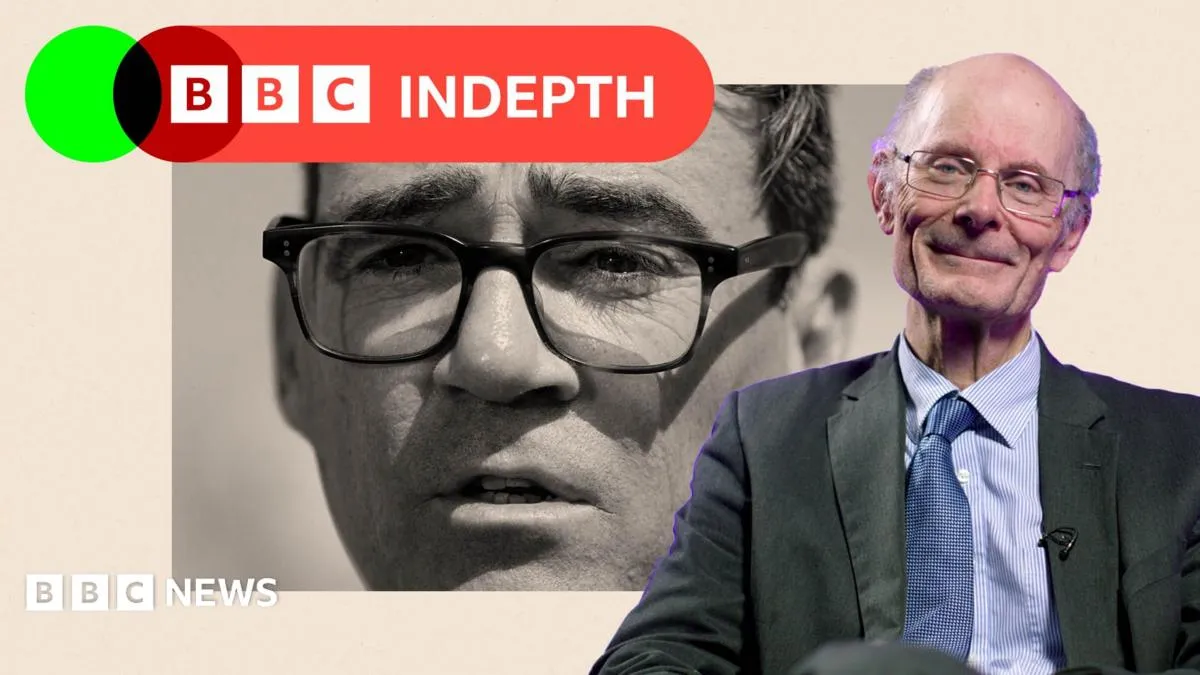
Sir John Curtice says the so-called “Burnham bounce” in poll ratings is real, but not massive. For decision-makers, the consequence is clear: it changes expectations, not control.
Sir John Curtice says the “Burnham bounce” is real, but it is not massive. In other words, the governing party’s poll ratings have improved, but only just, and they are still only narrowly ahead of Reform.
That distinction matters because many political and media cycles reward overconfident interpretations. A bounce that is real but not massive tells you the governing party is getting incremental lift in public opinion, yet the gap is small enough that it does not automatically translate into a durable advantage. Put simply: the improvement exists, but it is not enough to redraw the competitive map.
To understand why a tiny lead still feels loud, it helps to picture how polling works in practice. Poll ratings are usually measured against a moving baseline, then interpreted as momentum. But when two parties are close, a modest net change can reflect shifts in turnout intentions, sampling variance, or issue salience, not a decisive reversal of support. Curtice’s framing is basically an antidote to wishful thinking: yes, the governing party has climbed, but the climb is shallow.
This is where the “bounce” language can mislead. A bounce implies a quick, somewhat mechanical improvement, often tied to a specific political moment or narrative reset. Even when that bounce is genuine, the real question is whether it expands into a sustained trend. Curtice’s “not massive” qualifier answers that second question in advance. It suggests the governing party is not “breaking away” in the way you would want to see if you were banking on lead conversion.
Now translate this into what decision-makers actually do with poll information. In political strategy, the point is not just whether ratings tick up. The point is whether those numbers justify allocating scarce resources to one scenario versus another. If the governing party were meaningfully ahead, the playbook would shift toward consolidation and targeted persuasion. With Reform sitting close behind, the governing party cannot treat the improved ratings as permission to coast. They have to keep defending their base while also attempting to win over swing voters who are still reachable.
There is also a communications implication. When a gap is narrow, messaging becomes a high-wire act: you need to signal strength without implying certainty that can be undercut by the next poll or by emerging events. A “bounce is real but not massive” narrative is useful because it justifies cautious optimism. It allows leaders to acknowledge improvement without overselling it, which is crucial when opponents are close enough to exploit any hint of complacency.
For regulators and institutions, the second-order implications look different but are still real. When public support is close between rivals, the incentive for political actors to pursue visible, near-term moves increases. That can affect policy prioritization, regulatory timelines, and the perceived urgency of compliance decisions. Even if the poll improvement is incremental, a competitive environment can increase volatility in how quickly governments act and how assertively they communicate policy direction.
For boards, investors in political risk, and executive teams monitoring regulatory change, the headline takeaway is not “the governing party is safe.” It is “the governing party is slightly better, but the outcome is still contestable.” That means scenario planning should continue to treat Reform as an active constraint rather than a background competitor. In market terms, the difference between “a large lead” and “a barely-there lead” is the difference between a stable expectation and a range of plausible outcomes.
So the strategic stakes for anyone paying attention are straightforward. Curtice’s assessment says the governing party’s poll ratings are improving, but only just ahead of Reform. If you are building a strategy around political continuity, you should treat “real but not massive” as a warning label. Small edges can disappear fast, and when parties are bunched together, the next movement in public opinion can be just as consequential as the first.
In the end, the “Burnham bounce” sounds reassuring, but the numbers behind it do not support complacency. Real improvement is happening, but it is not creating the kind of momentum that shuts down debate, competition, or counter-mobilization.
This story's Key Insights and Take-aways are locked.
Create a free account to unlock Executive Actions for one credit.
Register to UnlockAlways free for Executives Club members. Join the Club
More in Politics
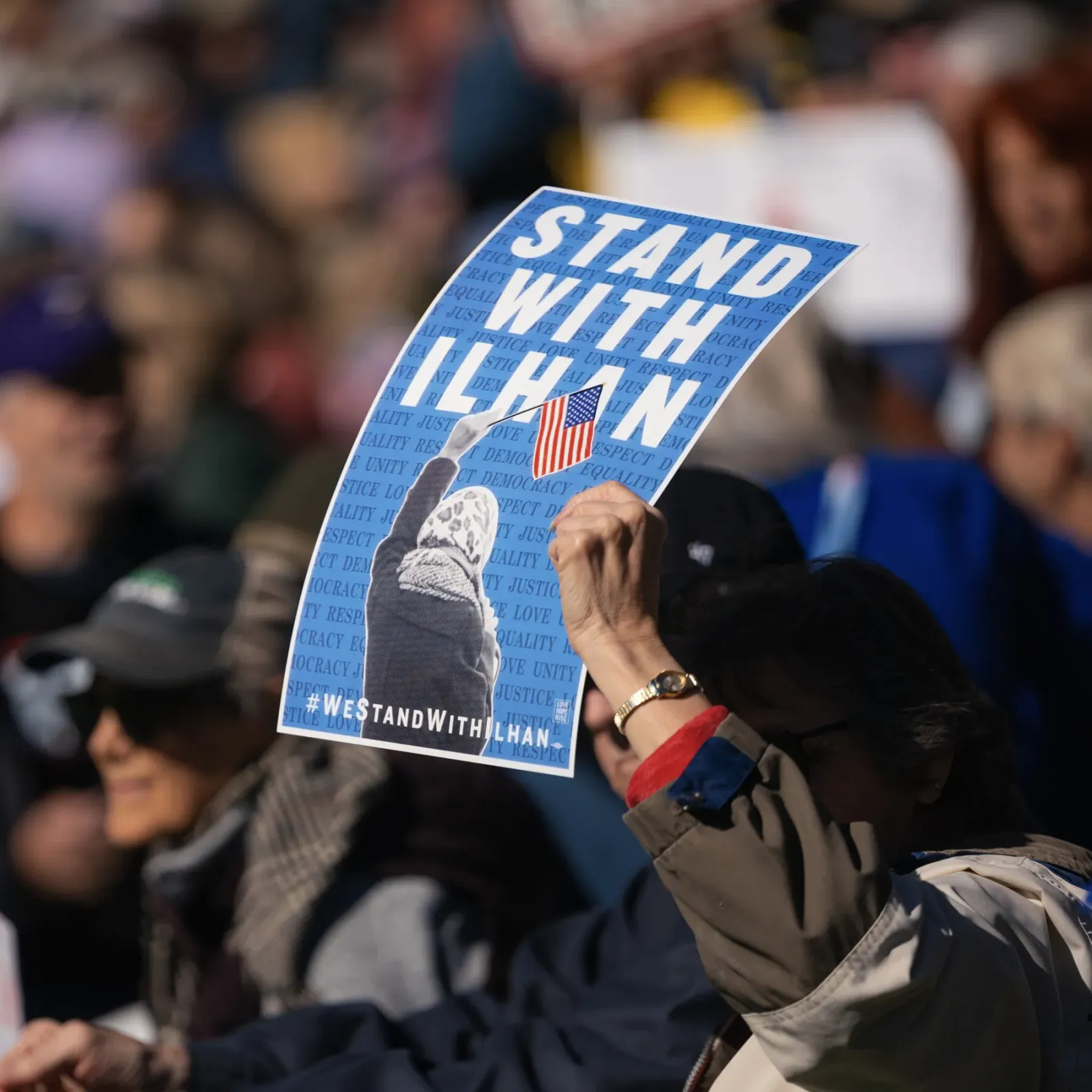
Obama Defends Ilhan Omar After Agents Search Her Home in Trump Inquiry
The former president's intervention raises the stakes in a federal probe into immigration paperwork that has put a prominent progressive lawmaker in the crosshairs.

Blair-era minister: cut welfare to fund youth job support
Alan Milburn's call for welfare cuts to fund employment support opens a Labour fight over benefits and the Neet crisis.
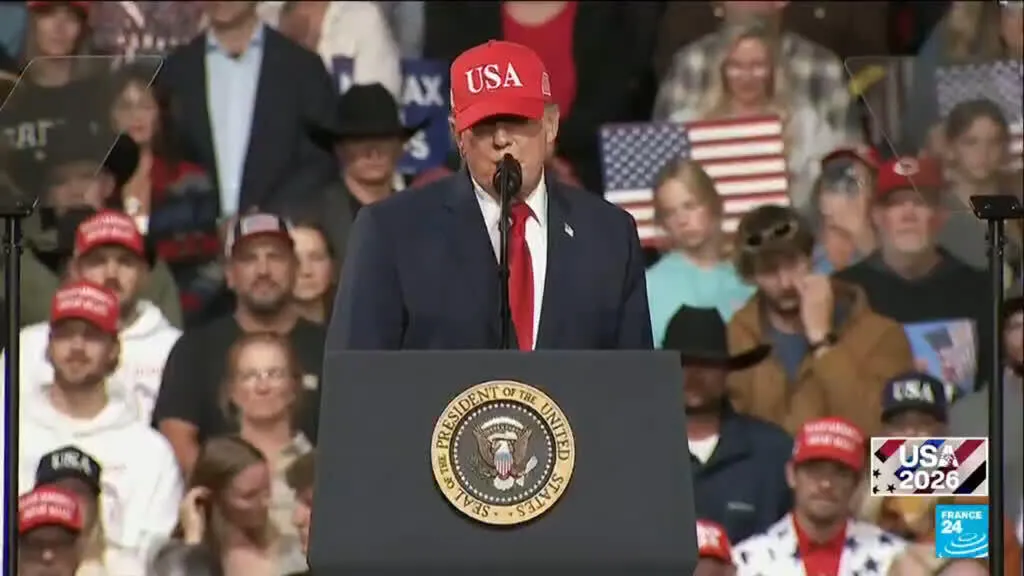
Hot September CPI: energy costs surge, voters feel the squeeze before midterms
The latest inflation print lands as Trump campaigns for GOP control of Congress, putting cost-of-living worries at the center of the midterm fight.