
Burnham’s housing warning: homelessness in England set to rise 25% by 2030
A report told Andy Burnham and incoming PM advisers extra 50,000 people could become homeless without a housing-first agenda.
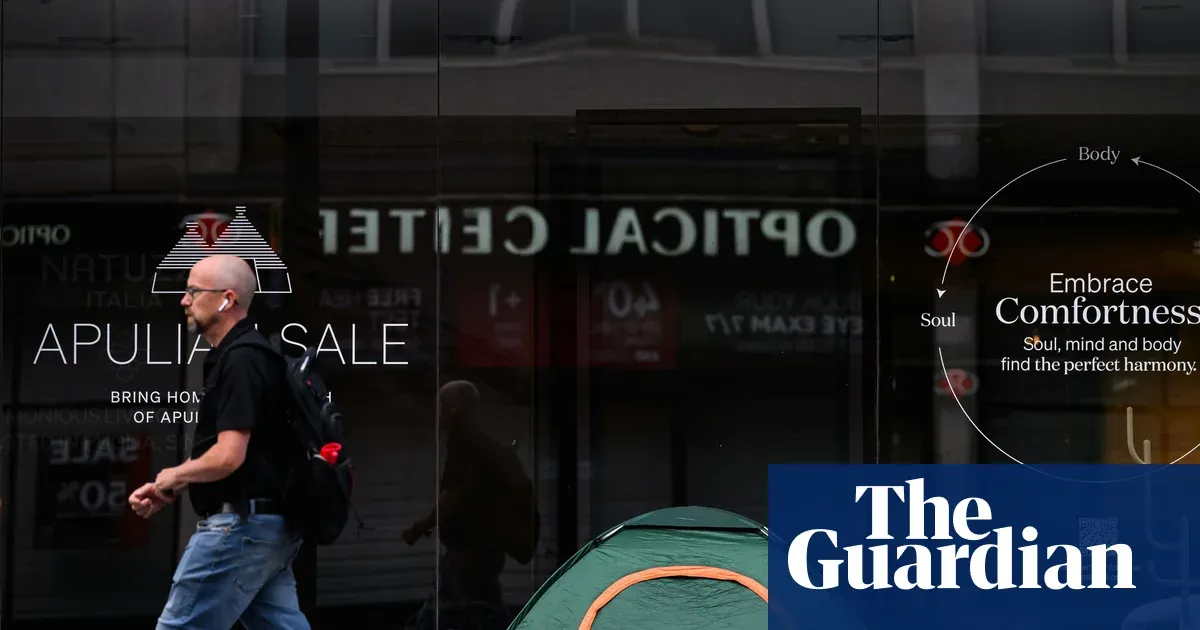
Andy Burnham, England’s incoming prime minister, has been briefed on projections warning homelessness could rise sharply without a radical “housing first” government agenda. The consequence for decision-makers is immediate: current record levels could climb further, with knock-on pressure on budgets and services.
Andy Burnham has been warned that homelessness in England could rise 25% by 2030, reaching more than 230,000 people. The warning comes alongside a stark additional figure: without bold policy, an extra 50,000 people could be added to the current record level within the next four years.
The projections were briefed to Burnham’s leadership team ahead of an expected publication on Monday, and they set up a simple question for policymakers. Do they treat homelessness as a problem to manage, or as a housing outcome to fix? The report’s answer is “housing first,” a “radical” agenda of government framed as necessary to stop the upward slide.
To understand why this matters beyond headlines, look at what homelessness projections typically drive in practice. When numbers move, pressure moves with them: local authorities face higher demands for emergency accommodation and crisis support, frontline services get stretched, and budgets that were already tight get pulled in new directions. National governments then face a similar squeeze, because escalation at the local level tends to show up later as central political risk, administrative cost, and scrutiny.
The source also signals a timing problem that executives of any government-adjacent organization will recognize. Projections due to be published on Monday are not abstract. They land right when an incoming prime minister’s leadership team is forming its priorities, staffing choices, and early policy moves. In other words, the leadership team is being briefed on what could happen if it does not choose a direction quickly. That kind of briefing often becomes an internal forcing function, especially when the political calendar meets service capacity.
There is a deeper governance angle too. “Housing first” is being framed here as a government agenda, not just a program. That distinction matters because agenda-level policy changes can require coordination across housing policy, support services, and funding mechanisms. If officials decide to pursue “housing first,” they need to align incentives so that the system reinforces housing outcomes rather than simply responding to homelessness after it occurs.
Why is the report using big, specific figures like 25% and more than 230,000? Because policymakers tend to respond to numbers that are both large and time-bound. A 25% increase by 2030 is concrete enough to quantify and communicate, while the additional 50,000 within four years puts a nearer-term urgency behind it. For decision-makers, that combination is dangerous: it implies that delay is not neutral. If the trajectory is already set and policy is slow to change, the extra burden arrives during the same parliamentary term when accountability is most politically costly.
There is also an implied operational challenge hiding under the politics. Systems that deal with homelessness often build around short-term interventions, because those show results quickly. “Housing first” flips the logic toward securing housing early, then layering supports. That can shift where the work happens and how quickly services are needed. If leadership teams treat the report as a warning to keep the status quo, they may be choosing a future where service demand rises again, even if budgets do not.
For peers across government, the boardroom logic is similar. When a projection tied to record levels warns of a near-term jump, it becomes a risk management problem. Burnham’s incoming leadership team is being told the trajectory is avoidable, but only with bold policies. If those policies are not adopted in time, the report’s numbers suggest homelessness could continue rising to more than 230,000 people by 2030, with 50,000 more people added in the next four years. That is the strategic stake: not just outcomes for individuals, but the fiscal and operational reality that follows when a system absorbs a rising tide instead of changing course.
This story's Key Insights and Take-aways are locked.
Create a free account to unlock Executive Actions for one credit.
Register to UnlockAlways free for Executives Club members. Join the Club
More in Politics

Glacial collapse, not rain, killed 180 in Nepal's Himalayan flood
The Himalaya's extreme geography hid the true cause of Nepal's catastrophic flood, a glacial collapse that turned a geological battleground into a mass-casualty zone.
Iran’s Esmail Baghaei says Oman talks start shipping via Hormuz, not US talks yet
Temporary route plans with Oman aim to restart commerce while Tehran says Washington dialogue is not on the table.
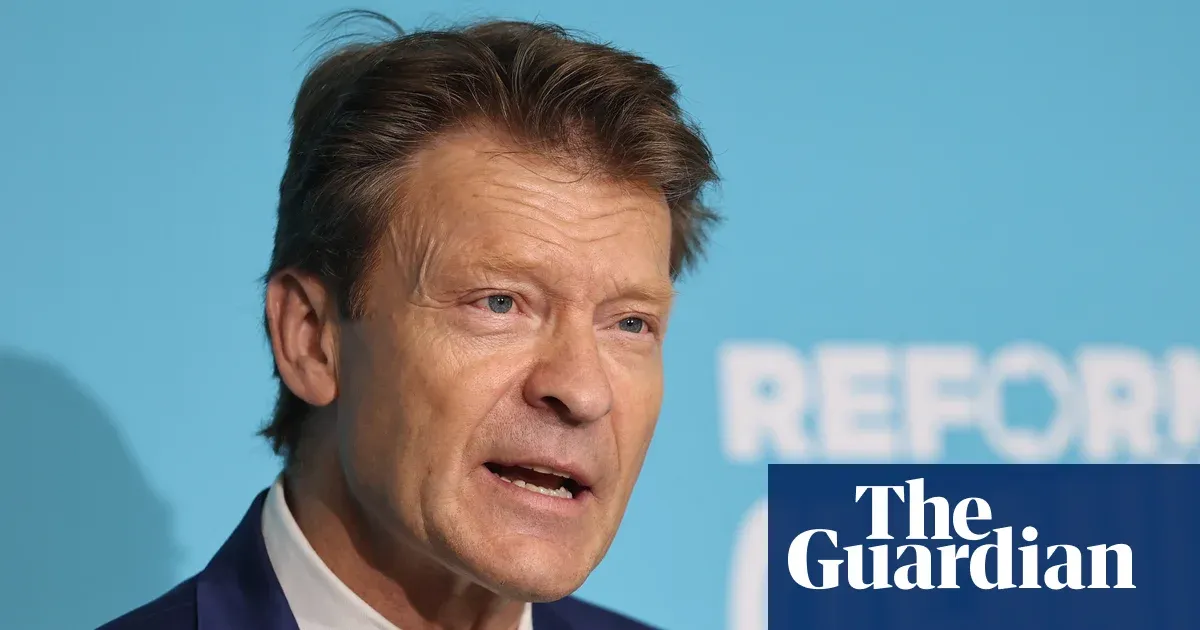
Standards watchdog opens probe into Reform UK deputy leader Richard Tice over interests
The parliamentary standards commissioner says it began an investigation on 28 July into a possible undeclared interest.