

McConnell denies heart attack, says he moved to rehab after fall
The Senate Republican leader is out of the hospital but gives no return timetable, adding uncertainty to Washington’s next moves.
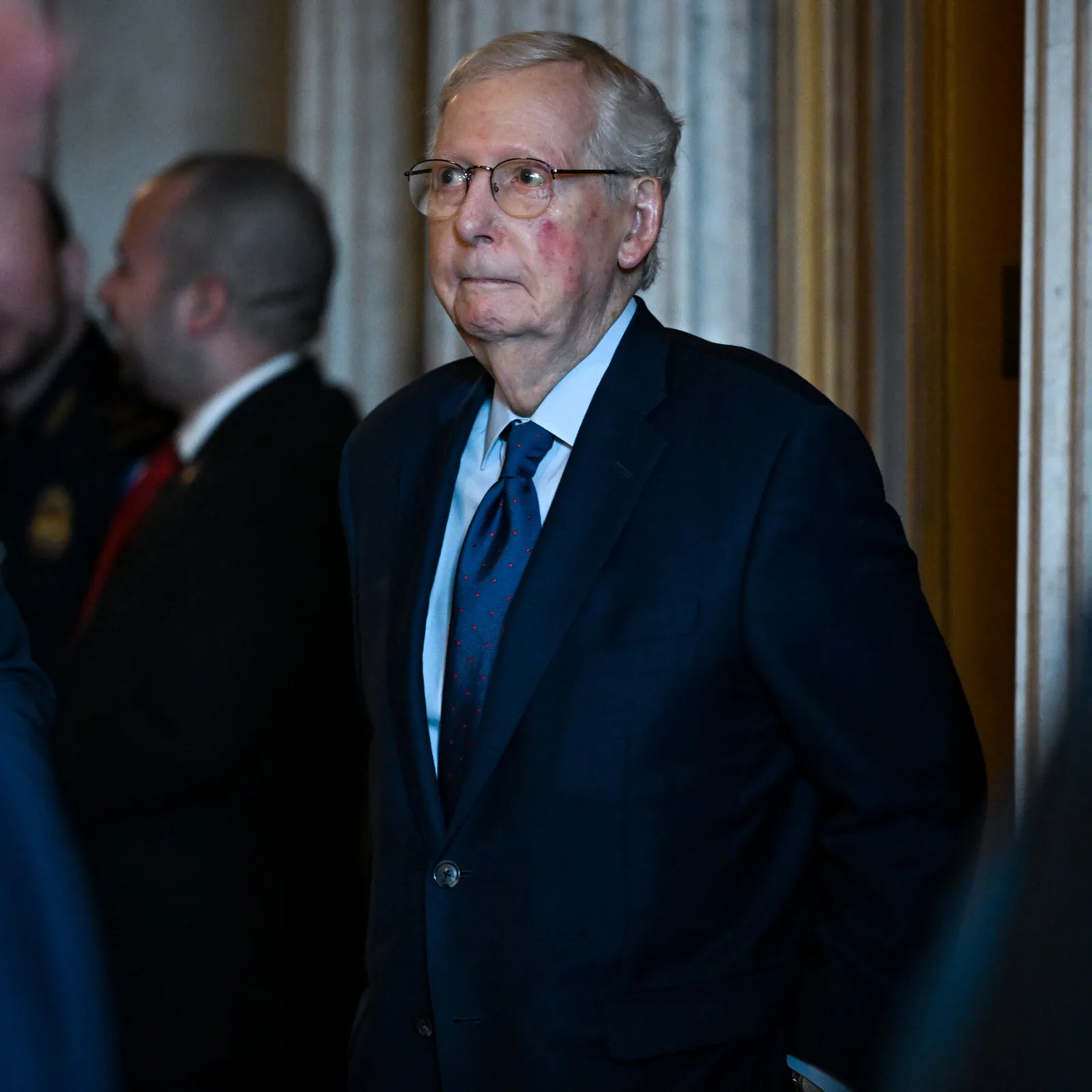
Sen. Mitch McConnell, the Republican leader in the U.S. Senate, denied that he suffered a heart attack after a fall. He said he left the hospital and moved to a physical rehabilitation center, without providing a timetable for returning to Capitol Hill.
Senate Republican leader Mitch McConnell said he is recovering after a fall, denied that it involved a heart attack, and reported a new location in his recovery: he left the hospital and moved to a physical rehabilitation center. He also did not give any timetable for returning to Capitol Hill. That combination matters because in Washington, uncertainty about one senior figure rarely stays personal. It quickly becomes operational.
McConnell is not just any lawmaker. As the GOP leader, his day-to-day status influences whether party leadership can lock votes, coordinate messaging, and move legislative packages on schedule. A recovery step that can sound routine, hospital to rehabilitation, becomes a decision variable for everyone trying to run the calendar. When he offers no return timetable, it forces Republican and Democratic strategists alike to plan as if the schedule could compress or stretch, potentially affecting negotiations that depend on tight timing.
The broader context is that the Senate runs on choreography. Floor time, committee work, and whip operations are built around assumptions about who can show up and when. Even if McConnell is not the person writing every line, leadership presence often affects the “how” of governing: who can hold the line with members, who can drive the internal consensus, and who can keep coalition partners aligned. When a top leader goes quiet for weeks and then updates the public with a specific recovery path but no schedule, it creates a vacuum that others fill with process, not necessarily policy.
From a risk management standpoint, the political system resembles corporate governance more than people think. In business, when a key executive is temporarily unavailable, boards and management teams reallocate responsibilities, adjust timelines, and tighten approvals to avoid bottlenecks. In politics, leadership shortages can similarly lead to more committee-level activity, more delegation to other figures, and more contingency planning in negotiations. The “no timetable” detail is the trigger: it means planners cannot assume a quick resolution, so they must structure talks and vote strategies around a moving target.
There is also the reputational and narrative dimension. McConnell’s denial that he had suffered a heart attack is a factual clarification that cuts against speculation. Public health rumors can become political weather, shaping how lawmakers interpret the seriousness of events and how staff plan communications. By directly addressing the heart attack question while still acknowledging recovery needs, his statement tries to reset the frame: this is recovery, not escalation to an emergency event. But because the statement still acknowledges physical rehabilitation, it also keeps alive the practical reality that mobility and energy are still constrained.
For decision-makers watching from the outside, the implications are immediate even if they do not sit in the Senate leadership offices. Lobbyists, policy staff, regulators, and market participants monitor legislative momentum because major bills can set regulatory direction for whole sectors. If Senate schedules shift, the timing of hearings, markup processes, and final votes can change. Even without naming any specific piece of legislation, a leadership recovery with no return date can ripple into how quickly policy initiatives advance and how confidently stakeholders can plan around them.
If you are an executive or board member managing government-facing risk, the key second-order effect is not the personal health headline itself. It is the uncertainty premium that appears when timelines are unclear. In industries affected by federal policy, delays in legislative action can push implementation windows, alter the cadence of rulemaking, and change the priority order within agencies. Meanwhile, firms that rely on predictable legislative calendars may find that their external stakeholders bargain more defensively when the internal legislative clock is uncertain.
Within the Senate, party dynamics also tend to harden when leadership clarity is missing. Members often look to top leaders for signals on which fights are worth spending political capital on right now. If McConnell’s absence extends, leadership responsibilities will fall to other figures, and that can affect which issues rise to the top. It also changes how quickly leadership can coordinate across committees, especially when votes require building or maintaining a coalition.
McConnell said he left the hospital and moved to a physical rehabilitation center, but did not provide a timetable for returning. For anyone tracking how Washington turns into action, that is the operational headline underneath the personal one. A leader can be recovering and still be a functioning system bottleneck. Until a return date emerges, Senate players will have to operate with contingency plans, and that means momentum can slow, negotiations can drag, and everyone recalibrates expectations in real time.
This story's Key Insights and Take-aways are locked.
Create a free account to unlock Executive Actions for one credit.
Register to UnlockAlways free for Executives Club members. Join the Club
More in Politics

Glacial collapse, not rain, killed 180 in Nepal's Himalayan flood
The Himalaya's extreme geography hid the true cause of Nepal's catastrophic flood, a glacial collapse that turned a geological battleground into a mass-casualty zone.

Iran’s Esmail Baghaei says Oman talks start shipping via Hormuz, not US talks yet
Temporary route plans with Oman aim to restart commerce while Tehran says Washington dialogue is not on the table.
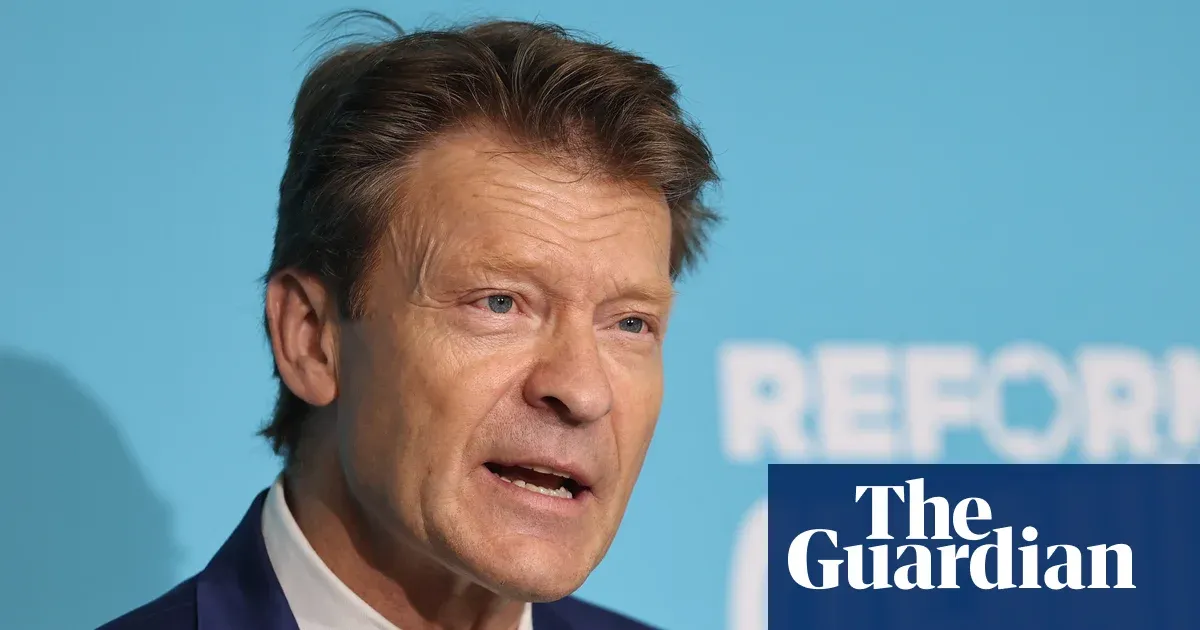
Standards watchdog opens probe into Reform UK deputy leader Richard Tice over interests
The parliamentary standards commissioner says it began an investigation on 28 July into a possible undeclared interest.