
Burnham’s rough sleeping vow is the first signal of his PM playbook
A new prime minister opens with housing homelessness. The policy priorities behind it matter for how power gets exercised.
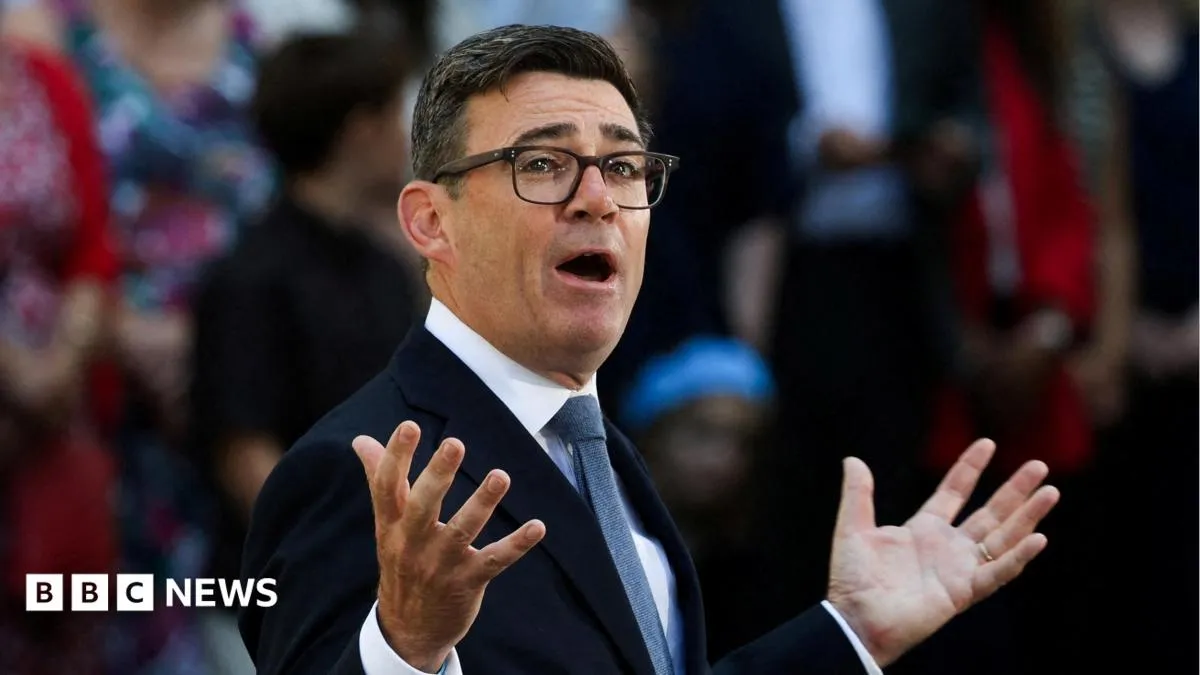
A new prime minister, Burnham, has begun setting out key policies, leading with a vow to end rough sleeping. For decision-makers, the order of priorities signals how his government will choose winners, manage scrutiny, and allocate attention.
A new prime minister has begun to set out key policies - starting with a vow to end rough sleeping. That is the headline-grabbing part. The deeper point is what the choice reveals about how Burnham intends to govern, and what kinds of problems he wants to tackle first.
Rough sleeping is not just another policy line. It is a highly visible, emotionally charged, and politically sensitive issue, the kind of subject where government actions get judged fast and by the public, not years later in a committee report. By putting the pledge to end rough sleeping at the front of his policy rollout, Burnham is telling voters and institutions that this will be a defining early test of his leadership. In practice, that means the government will likely face intense pressure to show progress quickly, even when the causes of homelessness sit across housing supply, support services, local authority capacity, and the wider labour and welfare system.
For executives and boards watching from the outside, this matters because high-profile commitments shape the policy environment. When a government picks a flagship issue early, it tends to pull resources toward it, accelerate decision-making, and intensify measurement. That can translate into more scrutiny for agencies, faster procurement cycles for commissioned services, and tighter reporting requirements for any organizations pulled into delivery. Even if a business is not directly operating homelessness services, a major government priority can still affect the regulatory and contracting landscape through changes in funding streams, compliance expectations, and procurement rules.
There is also a second-order effect: rough sleeping is local as well as national. Ending it typically requires coordination between central government and local authorities, because shelters, outreach teams, and housing pathways are often managed at the local level. So if Burnham wants to make good on the vow, the early months will likely revolve around aligning incentives across jurisdictions. Central government can set targets or funding conditions, but local implementation capacity determines whether the plan works on the ground. That coordination challenge is where delays happen. It is also where a prime minister’s management style becomes visible.
In political terms, starting with rough sleeping can be read as an attempt to set the frame for everything that follows. Early policy announcements often determine how the government gets talked about for months. When the first big promise is about homelessness, it signals a willingness to confront an issue that exposes failure. Rough sleeping has a long history of being treated as a complex systems problem, but it also has a simple public-facing narrative: people are on the streets. By anchoring the agenda to that narrative, Burnham is betting that credibility comes from taking on something that cannot be spun away.
From an accountability standpoint, the promise creates a measurement problem for the government and a risk problem for partners. If progress is slow, it becomes harder to deflect blame, because the vow was explicit and early. That can put pressure on officials to deliver in the short term, sometimes at the expense of longer-term structural fixes. In other policy areas, that kind of tension can distort how organizations prioritize resources, because leaders tend to chase outcomes that look good in the next round of scrutiny.
For peers in similar roles in the private sector, the strategic lesson is straightforward: when leadership picks a symbolic, measurable, and emotionally charged target, the downstream effect is a shift in urgency. Boards should anticipate that policy themes like housing homelessness can influence procurement, regulation, and partner expectations, especially where government commissioning and compliance are involved. The opening vow is not just about helping people off the streets. It is about establishing a governance rhythm, a system of incentives, and an early definition of what success will look like.
Burnham’s policy rollout has only started, and the source we have here confirms the beginning and the centerpiece. Still, the choice of rough sleeping as the first signal is consequential. It sets the standard against which his government will be judged, and it forces institutions across the public and private ecosystem to think about how quickly they can move, how they will report progress, and what they can realistically deliver under a spotlight that does not dim.
This story's Key Insights and Take-aways are locked.
Create a free account to unlock Executive Actions for one credit.
Register to UnlockAlways free for Executives Club members. Join the Club
More in Politics

LA County: DOJ's 20,000 'noncitizen' voter list is 'unreliable,' includes U.S.-born
Preliminary review by Los Angeles County election officials finds errors in the federal list, raising the stakes for voter roll integrity ahead of November.

Trump's $1.5B Pentagon chip investment lands in North Carolina
A $1.5 billion defense infusion for North Carolina chipmaking signals a new era of Pentagon-backed reshoring - here's what it means for the industry.

Nigeria confirms first Ebola case in Abuja, a woman just off a Uganda flight
Health Minister Muhammad Ali Pate says the patient flew in from Uganda, putting Africa's latest outbreak on Nigeria's doorstep.