

Burnham signals Labour manifesto continuity, while Badenoch calls him a “people pleaser”
With Burnham becoming prime minister on Monday, the leadership fight is really about who controls the agenda after Day One.
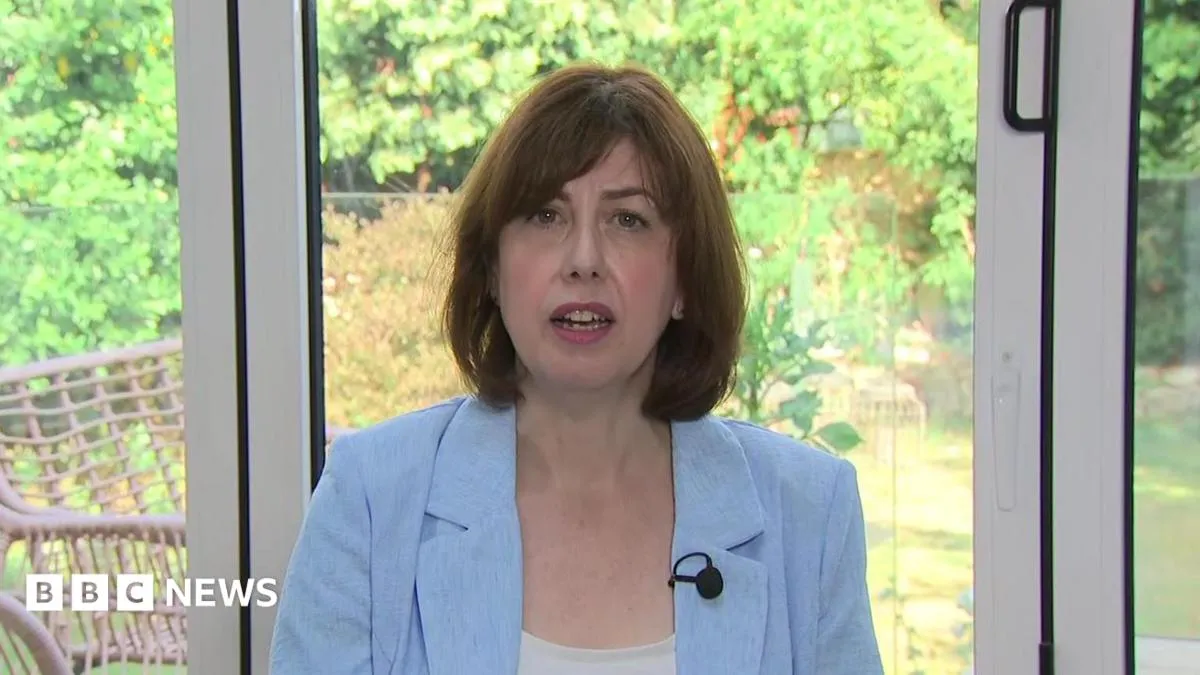
Labour deputy leader says Burnham will be bolder but stick to Labour’s manifesto. Conservative leader Kemi Badenoch calls Burnham a “people pleaser” ahead of him becoming prime minister on Monday.
Burnham is set to become prime minister on Monday, and the political fight over his first moves is already being framed as agenda control. Burnham’s deputy leader says he will be bolder but will stick to the Labour manifesto. The message is clear: don’t expect a chaotic break with the plan voters were told to buy into.
At the same time, Conservative leader Kemi Badenoch is pushing a very different narrative. She says Burnham is a “people pleaser”, a label meant to suggest he will chase approval rather than make hard calls. That matters because “prime minister on Monday” is not a ceremonial label in the UK. It is the person who sets which policy levers get pulled, which ones get paused, and how quickly government turns campaign language into legislation, budgets, and public spending decisions.
If you zoom out from the personality framing, this is what election transitions always compress. Parties come in with manifestos, but governing forces you to translate promises into constrained realities. Departments have staffing and procurement timelines. Regulators and public bodies look for direction, not slogans. Markets, lenders, and procurement-heavy industries respond to credibility signals like cabinet appointments, budget timelines, and whether policy is steady enough for long-term planning.
So when a deputy leader says Burnham will be bolder while still sticking to the Labour manifesto, it is trying to split the difference between two risks. The first risk is seeming too predictable, which can make opponents and undecided voters assume nothing materially changes. The second risk is seeming too unpredictable, which can spook stakeholders who need stable rules for hiring, investment, and compliance. In other words, “bolder” is a packaging choice, but “stick to the manifesto” is an anchor.
Badenoch’s “people pleaser” critique is also doing work. In political campaigns, leaders often talk as if every voter concern can be addressed at once. In government, that is rarely true. Someone has to say no, or at least delay, or trade off one priority against another. Calling Burnham a “people pleaser” tries to pre-empt that moment of friction by suggesting his default will be responsiveness over resolve. Whether or not that label holds up in practice, it gives Conservative forces a storyline they can reuse the moment any major decision appears to disappoint a slice of the electorate.
There is another layer too: the incentives for intra-party discipline. When a deputy leader publicly promises manifesto continuity, it constrains how much daylight Burnham can create with his own style. It is a way of telling party factions and activists: you may get sharper rhetoric and more aggressive execution, but the underlying commitments are not for sale. That kind of signaling can reduce internal risk, because it lowers the odds that opponents will claim Labour is secretly planning a policy pivot that would undermine negotiations with unions, local authorities, or industry stakeholders.
For decision-makers in the broader ecosystem, the stakes are practical, even if the headline politics sound abstract. When a new prime minister arrives, the first weeks are often about who gets authority and how quickly policy moves from manifesto text to operational rules. Regulators and compliance-driven sectors typically watch for whether leadership is preparing stable frameworks or improvising. A manifesto that is kept is not just a moral promise, it is a roadmap that businesses and public partners can plan around. If that roadmap seems reliable, the system can start moving immediately. If it looks like it might change, planning gets slower, costs rise, and policy credibility becomes a bargaining chip.
The second-order implication for anyone tracking UK politics is that this is not only about election narratives. It is about the upcoming reality of governing under constraints. Burnham’s camp is trying to own the “bolder but consistent” lane. Badenoch is trying to own the “chases approval” lane. Both are positioning for the same incoming challenge: can a Labour government execute enough of its manifesto quickly enough to satisfy voters without triggering backlash, fiscal strain, or regulatory confusion?
By putting “bolder” and “stick to the Labour manifesto” together, Burnham’s deputy leader is attempting to establish credibility before Monday even starts. By calling Burnham a “people pleaser”, Badenoch is trying to make it harder for him to claim decisive leadership later. Executives, boards, and institutional stakeholders should read this moment as a credibility contest. The winners are the ones who can make policy feel both intentional and deliverable, because that is what turns government change into economic and operational certainty.
This story's Key Insights and Take-aways are locked.
Create a free account to unlock Executive Actions for one credit.
Register to UnlockAlways free for Executives Club members. Join the Club
More in Politics

Wildfire near Draguignan forces evacuations; 600+ firefighters burn 10 homes in Var
Southern France’s wind-driven blaze near Draguignan triggered evacuations and housing damage, as authorities deployed an unusually heavy response.

Stavridis warns Trump’s “none of them are good” amid rising U.S. deaths
Markets watch oil surge as U.S. forces struggle at the Strait of Hormuz and fears shift to Suez.

Usha Vance announces Alec Neel Vance’s birth, first second lady delivery in 156 years
The new baby’s arrival is a historic break in a 156-year pattern, with real signaling ripple effects for public life.