

Stavridis warns Trump’s “none of them are good” amid rising U.S. deaths
Markets watch oil surge as U.S. forces struggle at the Strait of Hormuz and fears shift to Suez.
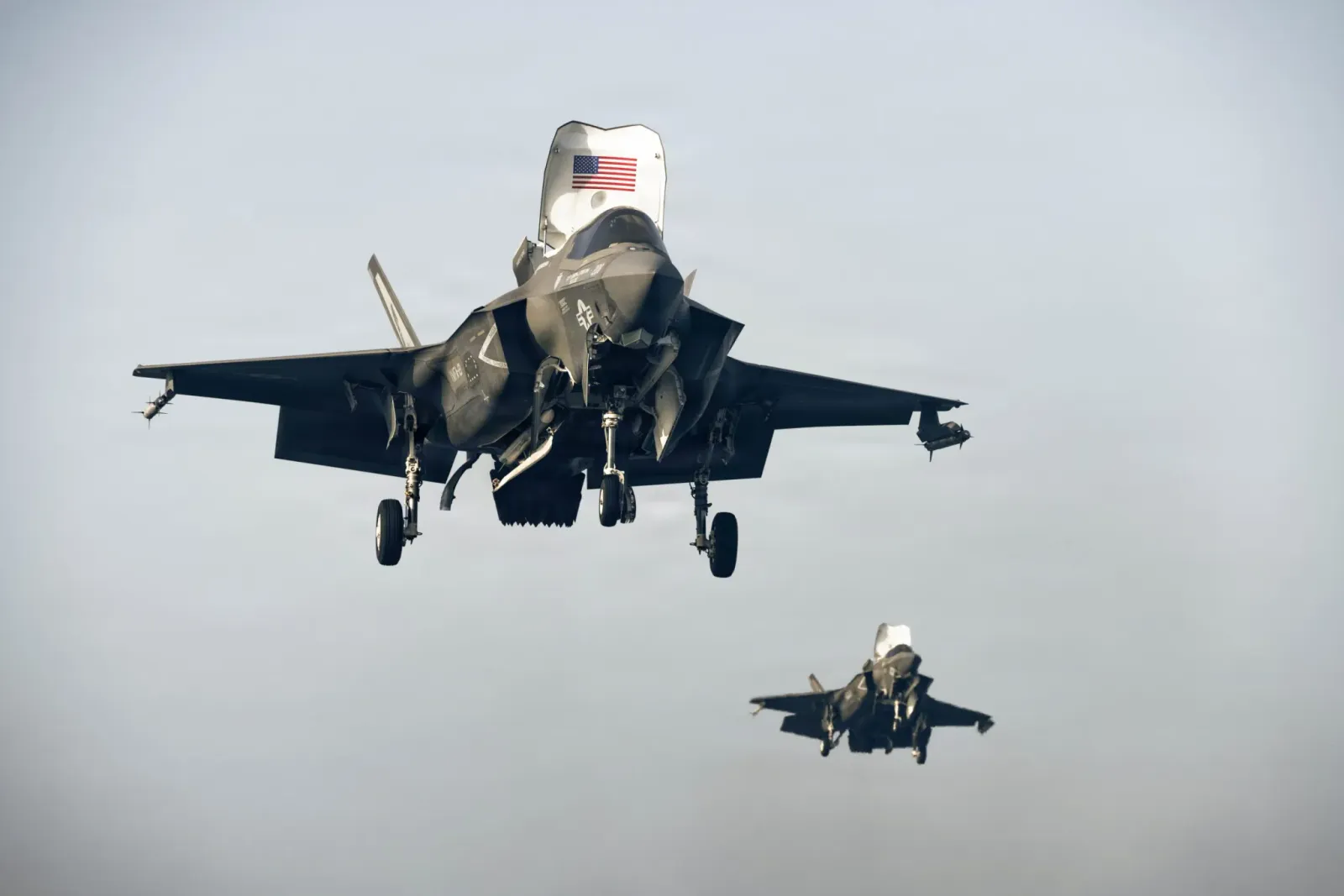
Retired Adm. James Stavridis, a former NATO Supreme Allied Commander, told CNN on Sunday that President Donald Trump has three options for the U.S.-Iran standoff and “and none of them are good.” The immediate consequence for decision-makers is a tightening risk picture for energy, global trade, and shipping routes, with Suez now entering the threat conversation.
Stock futures were mixed Sunday evening and oil prices kept climbing as American service members were killed over the weekend, adding fresh urgency to an already volatile U.S.-Iran fight. Futures tied to the Dow Jones industrial average fell 61 points, or 0.12%. S&P 500 futures were down 0.05%, while Nasdaq futures were up 0.08%. In energy, West Texas Intermediate rose 2.75% to $84.76 a barrel, and Brent climbed 3.2% to $90.92. Gold dropped 0.53% to $3,997 per ounce.
This is the backdrop against which retired Adm. James Stavridis, who served as NATO Supreme Allied Commander, warned that Trump now faces three choices, and “and none of them are good.” Those choices matter because the battlefield is not just missiles and aircraft. It is also the oil logistics system that prices risk into every supply chain on the planet.
What changed last weekend was the human cost and the strategic message it sends. Two U.S. troops died in Jordan from an Iranian attack, and another service member was missing. A third service member was killed in Iraq while attempting to dispose of a downed Iranian drone. The source frames these deaths as crossing a red line that Trump had reportedly described when he was considering the threshold for ending the earlier ceasefire before signing last month's memorandum of understanding. That memorandum of understanding has since collapsed. The source also notes that, so far, the White House has not announced whether all-out war will resume.
Meanwhile, the operational reality is that the U.S. military is continuing its daily bombardment of Iran, with the latest salvo meant as punishment for those killed in action. After more than a week of airstrikes, the U.S. military has failed to secure an alternate corridor through the Strait of Hormuz that would bypass Iran’s approved route. The reason is not theoretical. Drones and missiles have scared away commercial vessels, according to the source. Ship-tracking data shows no crossings via the U.S.-backed route and no “shadow fleet” movements either, while Iran’s channel still sees activity.
That detail is easy to miss, but it is where leverage shifts. If global commerce cannot safely route around Iran, then global oil stockpiles keep dwindling toward critically low levels, and that scarcity tightens bargaining power in Tehran’s favor. It also changes how boards and CFOs should think about “normal” commodity volatility. When transport lanes get disrupted and alternative routing does not materialize, price moves can accelerate beyond the usual demand-and-supply story.
There is also a second-order military issue with economic consequences. The source says Iran may be deploying more advanced weapons that can evade U.S. air defenses, making Persian Gulf bases more vulnerable. In other words, escalating pressure does not automatically translate into a clean operational win. It can translate into more exposure while still failing to produce the one tactical outcome that matters for markets: reliable shipping access.
Stavridis laid out the narrowing menu. First, Trump could “walk away,” which Stavridis said would produce a terrible outcome for the U.S., the Gulf, and global trade, and which he said is unlikely. Second, he could “go big,” meaning a return to the hundreds of airstrikes a day seen at the start of the war, possibly adding ground troops. Stavridis doubted this, citing the cost and reluctance to put boots on the ground. Third, the most likely option is the current “escalate to de-escalate” posture, combining bombing with tighter economic pain but still leaving the door open to negotiations.
Then comes the threat that forces strategists beyond the Strait of Hormuz. Stavridis warned that Iran or its proxies could eventually threaten the Suez Canal, which sees even more ship traffic than the Strait of Hormuz. He suggested Tehran's Jordan attacks could be related to such plans and said, “The Iranians are beginning to make noises about attempting to close that using the Houthis in the southwest corner of the Arabian Peninsula,” adding that “ought to be in the back of everyone's mind.” For anyone running risk across portfolios, that is a shift from a regional choke point problem to a global rerouting problem, where time-to-deliver and insurance costs can both jump.
Taken together, the signal is not just that tensions are high. It is that every incremental action is being tested against two constraints: the ability to control shipping corridors and the ability to keep escalation from broadening. For executives, investors, and operators, the practical question is how to price uncertainty when the physical routes oil and goods travel are under threat, while policy choices remain constrained by costs, political will, and battlefield outcomes that do not yet add up to the promised leverage.
This story's Key Insights and Take-aways are locked.
Create a free account to unlock Executive Actions for one credit.
Register to UnlockAlways free for Executives Club members. Join the Club
More in Politics

LA County: DOJ's 20,000 'noncitizen' voter list is 'unreliable,' includes U.S.-born
Preliminary review by Los Angeles County election officials finds errors in the federal list, raising the stakes for voter roll integrity ahead of November.
Trump's $1.5B Pentagon chip investment lands in North Carolina
A $1.5 billion defense infusion for North Carolina chipmaking signals a new era of Pentagon-backed reshoring - here's what it means for the industry.
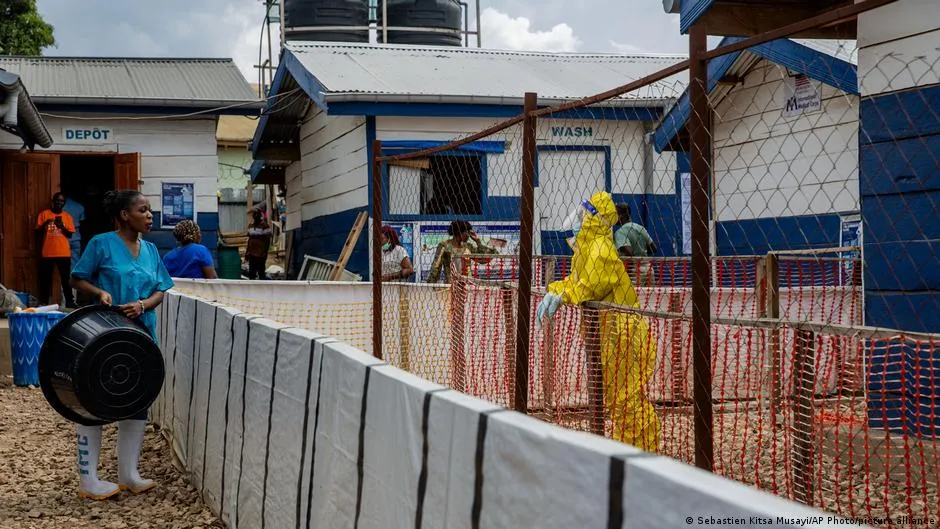
Nigeria confirms first Ebola case in Abuja, a woman just off a Uganda flight
Health Minister Muhammad Ali Pate says the patient flew in from Uganda, putting Africa's latest outbreak on Nigeria's doorstep.