

Glacial collapse, not rain, killed 180 in Nepal's Himalayan flood
The Himalaya's extreme geography hid the true cause of Nepal's catastrophic flood, a glacial collapse that turned a geological battleground into a mass-casualty zone.
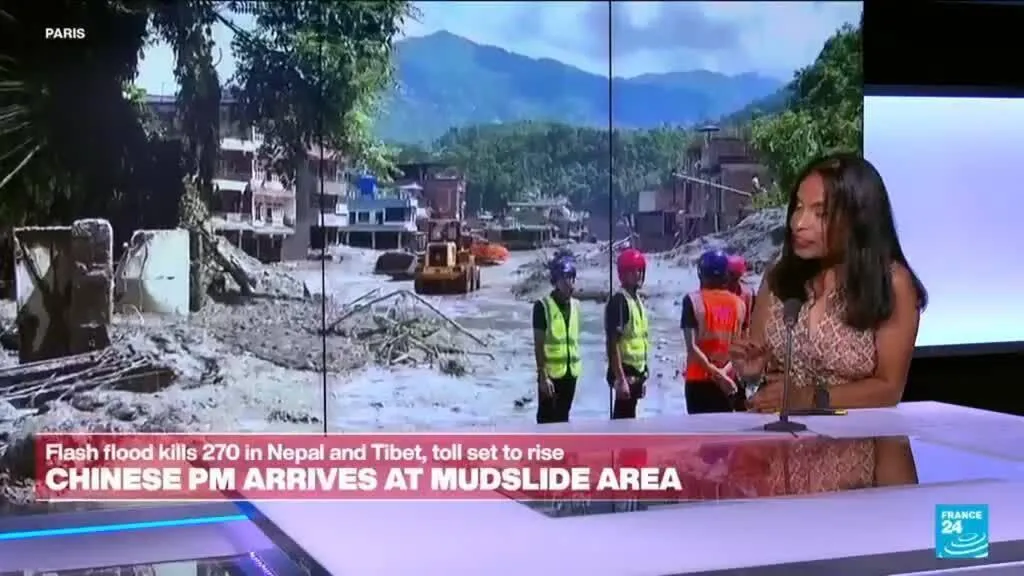
A glacial collapse, not heavy rainfall, is now believed to have caused the catastrophic flash floods in Nepal that killed at least 180 people, according to France 24. The disaster exposes how the Himalaya's extreme geography and climate-driven glacial instability create lethal, hard-to-predict risks for communities and infrastructure across the region.
At least 180 people are dead after catastrophic flash floods in Nepal, and the cause is now believed to be a glacial collapse, not the heavy rainfall that initially seemed the obvious culprit. France 24's Leela Jacinto reports that the extreme geography of Nepal and Tibet, dominated by the Himalaya mountains, contributed to the initial confusion over what triggered the disaster. The distinction is not academic: a glacial collapse is a different, more ominous failure mode than a rain-driven flood, and it points to the instability of high-altitude ice and water systems.
The Himalaya are a "geological battleground zone," as Jacinto frames it, where the terrain itself can obscure the mechanism of a catastrophe until after the bodies are counted. Steep slopes, deep gorges, and elevations that push the limits of human habitation make ground access slow and dangerous. In the immediate aftermath, with roads washed out and communications down, the first instinct was to blame the monsoon. Only later did evidence point to a glacial collapse, a conclusion that carries far more unsettling implications for the region's future.
The mechanism at work is known as a glacial lake outburst flood, or GLOF. When a glacier retreats, it often leaves behind a lake dammed by moraine, the loose rock and debris the glacier once pushed ahead of it. If that dam fails, or if a chunk of glacier collapses into the lake, the water can surge downstream with little warning. The Himalaya hold thousands of such lakes, and many have been growing as rising temperatures accelerate glacial melt. Climate change is making these high-altitude systems more volatile, and the region's extreme geography makes them exceptionally hard to monitor.
The initial confusion over the cause is itself a warning for decision-makers. In a disaster zone, the first narrative is often the wrong one, and the cost of that error can be measured in misdirected rescue efforts and delayed response. For Nepal, a country still rebuilding from the 2015 earthquake, the flood adds another layer of strain on already stretched emergency services and public finances. It also raises hard questions about how to protect communities that have lived in these valleys for generations, where the risk is not just from rain but from the frozen landscape above them.
For governments and infrastructure operators, the stakes are concrete. The Himalayan rivers are the source of hydropower, irrigation, and drinking water for hundreds of millions of people across South Asia. A single glacial lake outburst can destroy dams, bridges, and roads, and the damage can ripple across borders. Nepal and Tibet share these watersheds, and the flood is a reminder that glacial risk is transboundary. Early warning systems, satellite monitoring, and controlled drainage of the most dangerous lakes are the tools available, but they require investment and coordination that have historically lagged behind the threat.
For executives and boards, the lesson is about the limits of historical risk models. If a catastrophic flood can be misattributed to rain when the real cause is a collapsing glacier, then the risk assessments that underpin insurance, supply chains, and infrastructure finance may be looking at the wrong hazard. Companies with operations in mountainous regions, or with suppliers and customers dependent on Himalayan water systems, should treat this as a stress test for their own contingency planning. The physical risk is not hypothetical, and it is not evenly distributed.
The Nepal flood is a case study in how climate-driven hazards can outpace the institutions built to manage them. The geography that made the cause hard to identify also makes the response harder, and the same characteristics will make the next disaster harder to predict. For anyone whose business, portfolio, or community touches the Himalaya, the message is simple: the battleground is not just geological, it is operational. The question is whether the region's governments and the private sector can move from reaction to preparation before the next collapse.
This story's Key Insights and Take-aways are locked.
Create a free account to unlock Executive Actions for one credit.
Register to UnlockAlways free for Executives Club members. Join the Club
More in Politics
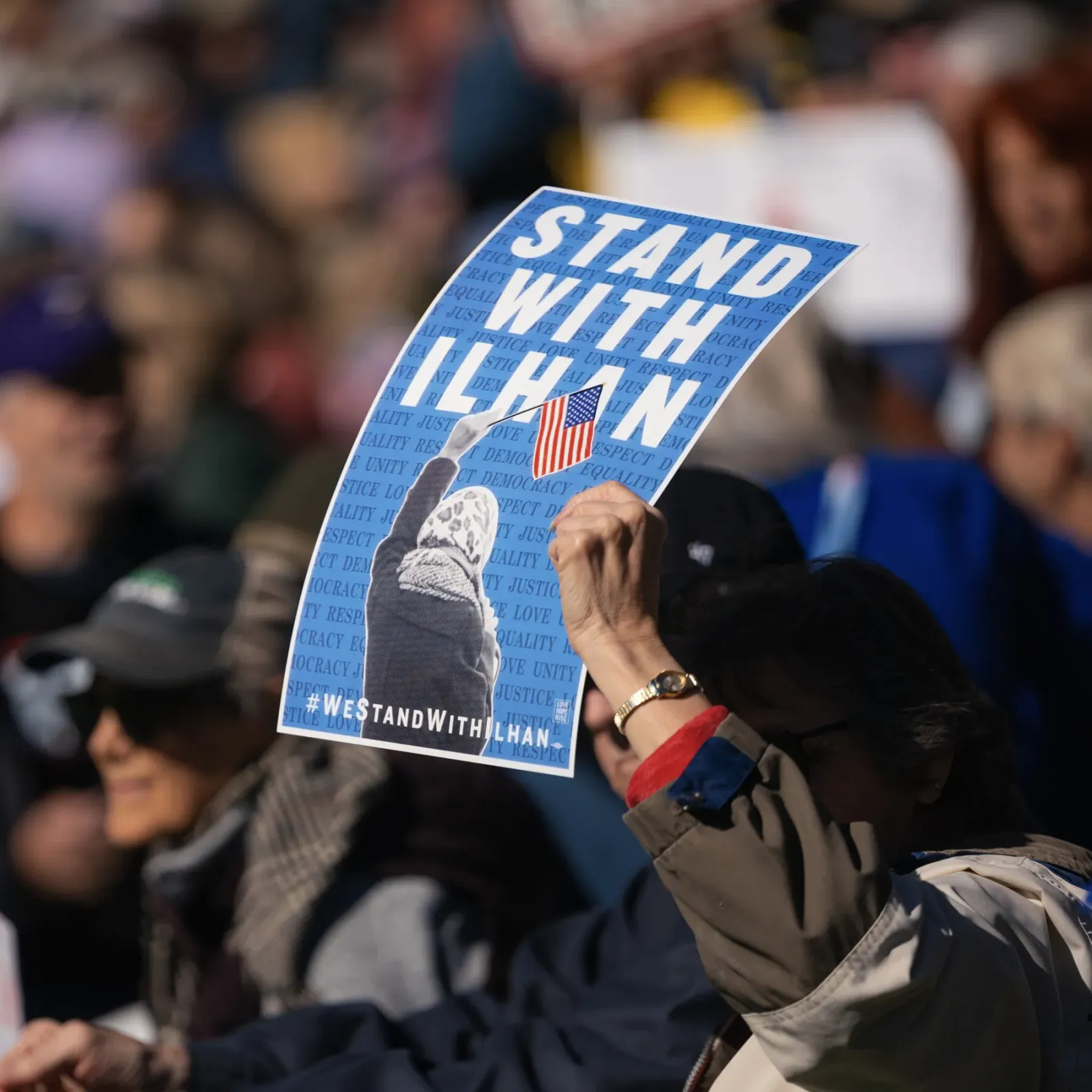
Obama Defends Ilhan Omar After Agents Search Her Home in Trump Inquiry
The former president's intervention raises the stakes in a federal probe into immigration paperwork that has put a prominent progressive lawmaker in the crosshairs.

Blair-era minister: cut welfare to fund youth job support
Alan Milburn's call for welfare cuts to fund employment support opens a Labour fight over benefits and the Neet crisis.

Hot September CPI: energy costs surge, voters feel the squeeze before midterms
The latest inflation print lands as Trump campaigns for GOP control of Congress, putting cost-of-living worries at the center of the midterm fight.