
California’s SB 168 lets Rivian and Lucid dodge EV price caps for $3,500 rebates
First-time EV buyers get $3,500 off at purchase, while California-headquartered makers can sidestep the $50,000 cap.
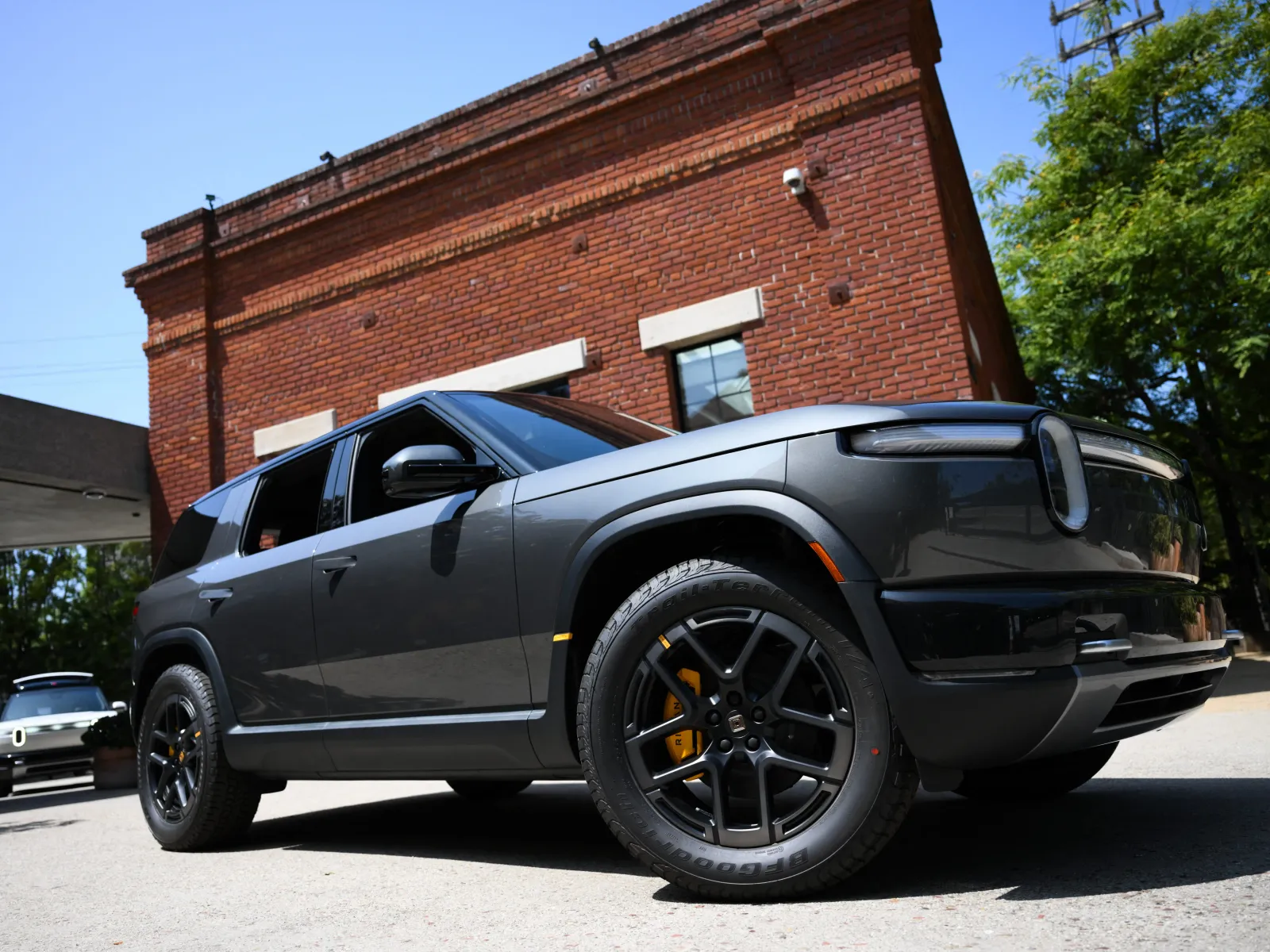
Gov. Gavin Newsom signed SB 168 into law, creating the MyFirstEV program with $3,500 instant rebates for first-time buyers. The carve-out could boost Rivian and Lucid in California sales, while Tesla would face the price cap unless it sells lower-priced models.
California just rewired how its new EV rebate rules work, and the winners are not the companies most people assume. Gov. Gavin Newsom signed SB 168 into law on Monday, launching MyFirstEV, which gives first-time EV buyers an instant $3,500 rebate on a new vehicle and $1,750 toward a used one at the point of sale.
But the key twist is buried in the eligibility math. The program normally limits incentives to EVs priced at or below $50,000 for new vehicles (and $25,000 for used ones). SB 168 then exempts EV makers headquartered in California that manufacture only zero-emission vehicles, allowing companies like Rivian and Lucid to qualify for the incentive even if their cars cost more than the caps.
That exemption is what gives Rivian and Lucid the edge. Rivian is headquartered in Irvine, while Lucid is based in Newark. Both sell vehicles well above the bill’s price thresholds. Rivian’s R1T truck starts under $80,000. Lucid primarily sells luxury EVs, with the Lucid Air starting at around $71,000. The incentive program is expected to launch this summer, though California did not announce an exact start date.
The administration and the regulator are doing the operational lift next. A spokesperson for the California Air Resources Board (CARB), which will administer MyFirstEV statewide, told Business Insider the agency expects to announce participating automakers next month. For automakers, that means timing matters. If you want your lineup to be eligible, you want your participation locked early enough to influence pricing, inventory decisions, and sales plans for the summer launch window.
Now for the “wait, what about Tesla?” part, because it will come up in every board meeting in this space. Tesla would be excluded from the exemption even though it has a presence in California: Tesla manufactures the Model 3 and Model Y at its Fremont factory and maintains an engineering headquarters in Palo Alto. However, Tesla moved its corporate headquarters from California to Austin in 2021. Under SB 168’s rules, that headquarters location affects eligibility for the carve-out.
Still, Tesla is not necessarily fully shut out. The law’s price caps remain in place for companies that do not qualify for the exemption. So, lower-priced versions of the Model 3 and Model Y that fall below the $50,000 cap could qualify if Tesla chooses to participate. In other words, Tesla’s path runs through pricing and variant selection, while Rivian and Lucid can lean on the geography and product criteria embedded in the exemption.
This program also lands in the middle of a bigger political and market story. California’s governor’s office presented MyFirstEV as a replacement for the federal EV tax credit program. The Trump administration rolled back the federal program, which previously allowed EV buyers to get up to $7,500 in incentives. Newsom framed SB 168 as a corrective move at the state level, saying in a statement that “Donald Trump is doing everything in his power to pollute our air and surrender the clean car industry to China on a silver platter. California is putting its foot on the accelerator.”
Lucid, for its part, signaled it intends to use the opening. A Lucid spokesperson told Business Insider it intends to participate in the statewide program and said that Lucid Air and Gravity vehicles will be eligible for California customers. The spokesperson also said, “We see this as a meaningful opportunity to help make advanced electric vehicles more accessible to California buyers,” and added that the company “applauds the inclusion of the exemption.” Rivian and Tesla did not respond to a request for comment.
For executives, the second-order lesson is that the subsidy story is shifting from “who has the best car” to “who fits the legal perimeter.” SB 168 ties eligibility not only to price caps but also to corporate headquarters location and the production focus on zero-emission vehicles. That creates a new kind of competitive pressure: you can win through pricing, or you can win through structuring. And if you are considering where to base corporate leadership, how to package product tiers, or whether to invest in markets where the regulator can define eligibility by compliance details, SB 168 is a reminder that policy design can change demand patterns quickly.
In the short term, MyFirstEV could influence which EV brands show up in California shoppers’ consideration sets this summer. In the longer term, it sets a template: states can substitute for federal incentives and still shape the competitive landscape with carve-outs. If you are a CFO, strategist, or investor tracking EV unit economics, this is a clear signal that regulatory details can be as financially meaningful as factory capacity.
This story's Key Insights and Take-aways are locked.
Create a free account to unlock Executive Actions for one credit.
Register to UnlockAlways free for Executives Club members. Join the Club
More in Business
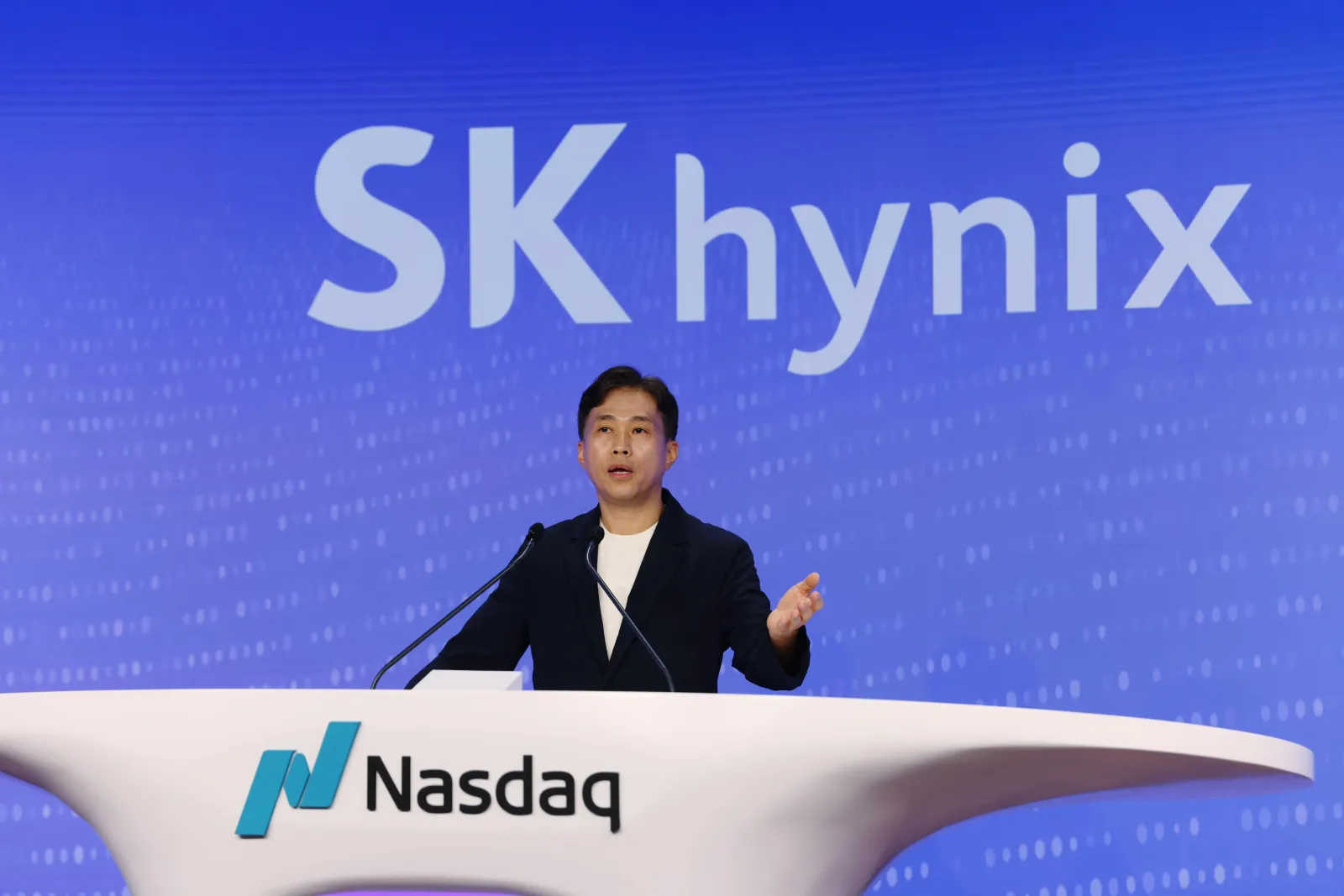
SK Hynix opens at $170, raises $26.5B, and tops foreign IPO records
In Friday's Wall Street debut, SK Hynix turns AI RAM demand into a $26.5B fundraising moment that rewrites comps.
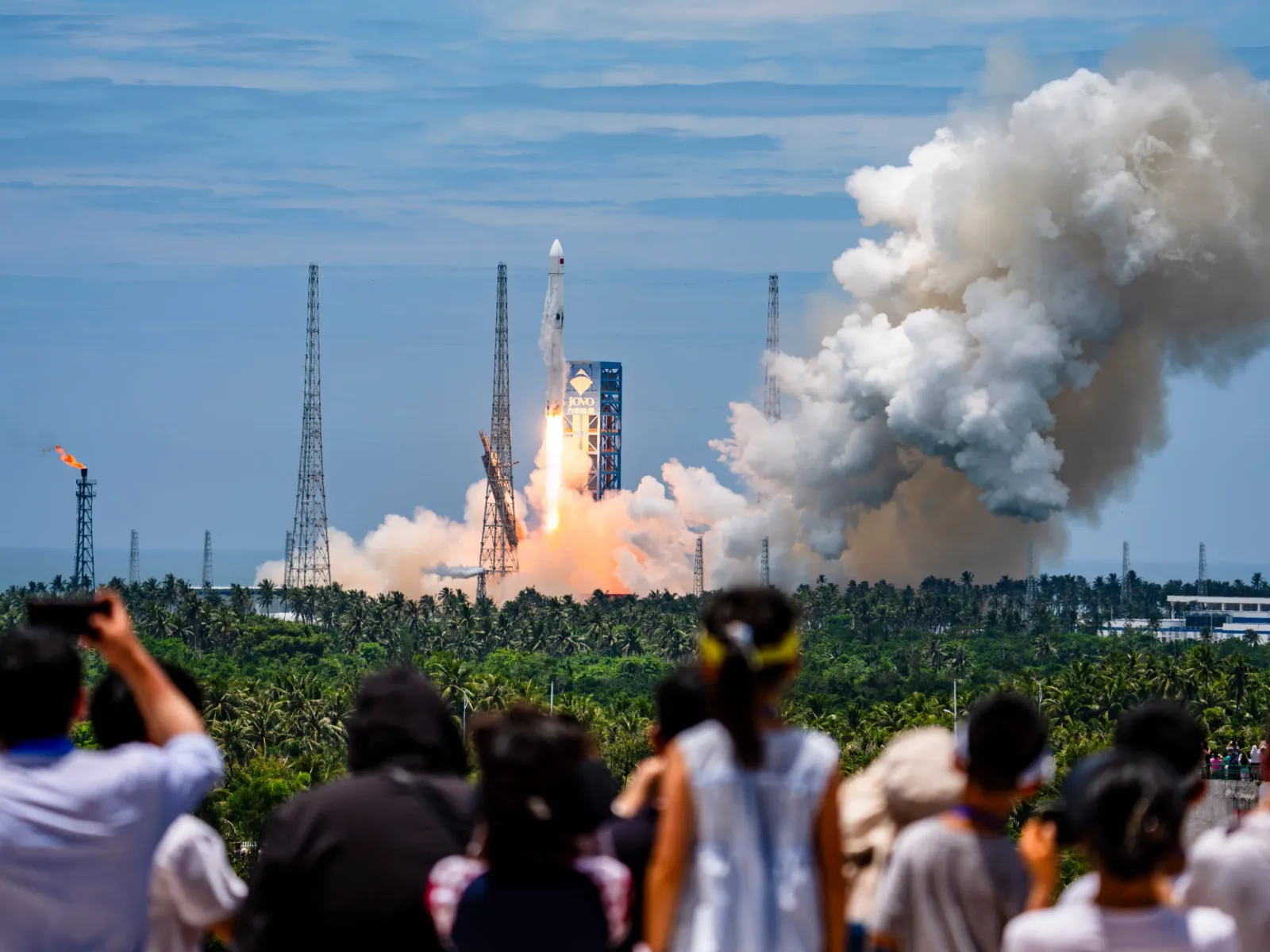
China lands a reusable Long March booster, a first that matches SpaceX and Blue Origin
A barge landing and net-based recovery move China from theory to proof, reshaping the reusability race and satellite ambitions.

AstraZeneca $27B wipeout as Wainua late trial misses cardiovascular target
A failed late-stage heart study triggered a swift market punishment, forcing investors and boards to reset timelines and risk.