

Capcom producer Akihito Kadowaki admits Onimusha demo felt “too easy,” promises tougher bosses
The developer clarifies the demo’s scope, late-game skills, and why the real challenge arrives in September.
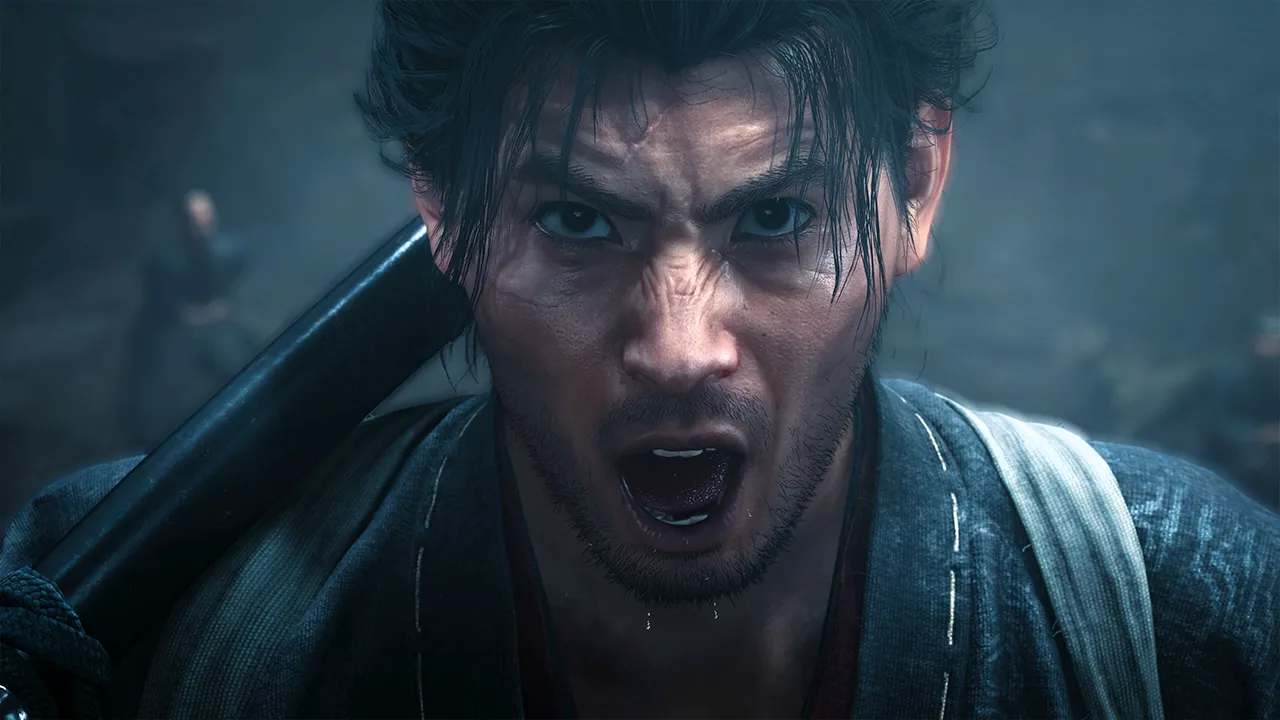
Akihito Kadowaki, producer at Capcom, responded to concerns that the Onimusha: Way of the Sword demo felt too easy. He says the demo covers only an early story slice, includes intentionally late-game skills, and that the final game will raise the difficulty.
Capcom producer Akihito Kadowaki has acknowledged a specific community complaint about Onimusha: Way of the Sword: players said the demo felt “too easy.” In a video posted via Onimusha’s official social channel, Kadowaki said Capcom heard the feedback and explained why the preview may have landed that way.
His core point is simple, and it answers the anxiety creators and investors often get when demos underperform expectations: the demo is not the full experience. Kadowaki said the demo is “just a slice of the early part of the story,” and Capcom intentionally equipped Musashi with some late-game skills. That design choice, he said, can make some players feel a “lack of challenge,” even if the intent was to showcase a variety of Musashi’s actions.
So what is Capcom telling players, and what does it signal to decision-makers watching release risk? The message is that the difficulty curve in the final game will be steeper than the demo. Kadowaki asked players to “rest assured” that in the final game, “the bosses and the regular Genma will put up a tougher fight.” In other words: if the demo is a teaser, Capcom is betting the fight choreography and enemy pressure will mature by launch.
There is also a practical distribution angle here, and it matters more than people think. The Onimusha: Way of the Sword demo is available to play now on PC and console, and Capcom says the demo has reached one million downloads. For studios and publishers, a million demo downloads is not just a vanity metric, it is a measurable funnel: it creates data on engagement, drop-off points, and difficulty sentiment before the final build. By addressing the “too easy” criticism directly, Capcom is trying to prevent a negative pattern from hardening into the kind of narrative that sticks through marketing cycles.
This matters even more because the release timing is tight. Onimusha: Way of the Sword is due to arrive on September 25, 2026, placed between Silent Hill: Townfall and Ace Combat 8. That is a real constraint for visibility, retailer messaging, creator content plans, and player attention. IGN’s context also points out that September 2026 has “precious little wiggle room” as publishers push hard into the end of the year, while the “gravitational pull of Grand Theft Auto 6” shapes what players will actually spend time on.
In that environment, difficulty expectations are not a niche concern. Genre positioning is everything. Onimusha: Way of the Sword is the first proper sequel in the series since the PlayStation 2 era, and that gap raises the stakes: new players need to understand what the series is, and returning players want the soul of the original experience. A demo that feels too forgiving can make it harder for a title to land as the kind of challenge-driven game that its audience expects. Capcom’s response attempts to smooth that mismatch by reframing the demo as an early story slice paired with late-game tools.
There is a second layer: the demo’s intent is partly entertainment and partly action variety. Kadowaki said Capcom wanted players to enjoy a variety of Musashi’s actions, so it “intentionally equipped him with some late-game skills.” For product teams, that is the classic tension between teaching systems and testing challenge. Show too much power too early, and the combat can feel flat. Show too little, and players may bounce before they understand the fun. Capcom is basically telling stakeholders, including the people allocating marketing budgets and the people scheduling livestreams, that this is an intentional balancing act and the boss and Genma encounter pacing will correct course in the full game.
The demo timing and the marketing rollout also line up with how Capcom has been rebuilding the brand. The game was first announced at The Game Awards 2024, and today a Nintendo Switch 2 version was confirmed during the latest Nintendo Direct. Platform expansion increases addressable market, but it also increases the scrutiny on product feel across control schemes and performance targets. If difficulty is perceived differently on different platforms, that perception can become fragmented. By clarifying the design logic, Capcom is trying to keep the narrative coherent: the demo may be “too easy” because of late-game skills in an early story slice, not because the final game is less challenging.
For other publishers and studios, the strategic takeaway is that community feedback is now part of go-to-market quality control. A million demo downloads means you are not guessing about player sentiment in private. You are being judged in public. Capcom is using that visibility to steer interpretation early, and the payoff it is promising is straightforward: tougher bosses and tougher regular Genma in the final game. With the September 25, 2026 window already crowded, and attention anchored by heavyweight releases, that kind of clarity can be the difference between “the series is back” and “the sequel is a letdown.”
This story's Key Insights and Take-aways are locked.
Create a free account to unlock Executive Actions for one credit.
Register to UnlockAlways free for Executives Club members. Join the Club
More in Entertainment

Christopher Nolan’s “The Odyssey” posts his biggest Tuesday haul, surpassing “The Dark Knight’s” record
The film’s Tuesday breakout reframes Nolan’s box-office ceiling and forces competitors to rethink timing, budgets, and release strategy.

Kacey Musgraves cancels Aug. 20, 29, Sept. 2 Middle of Nowhere shows
Ticketmaster emails are telling fans refunds are coming, while the tour still starts Aug. 21 in Chicago.

Billie Joe Armstrong launches Epiphone Les Paul Junior and Marshall 1959BJA signature gear
Two limited releases turn decades of Green Day’s tone into branded hardware, including Marshall’s first artist amp in 14 years.