

Capcom’s Yoshiki Okamoto threatened Miyamoto over Zelda on Game Boy Color
A 1999 quote shows Okamoto’s leverage plan: port it, or Capcom ships an identical Zelda-like game.
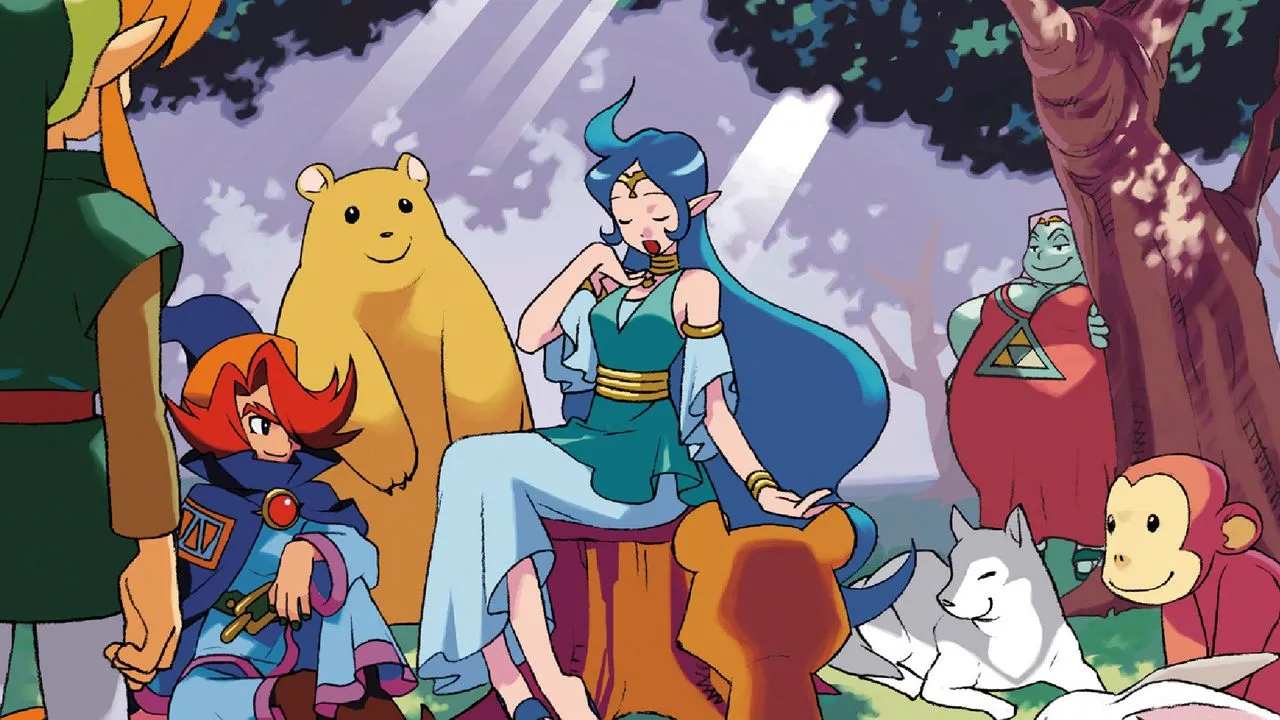
Capcom producer Yoshiki Okamoto, in a 1999 interview, said he told Shigeru Miyamoto he would make the Game Boy Color Zelda remake himself if Nintendo would not port it. That ultimatum helped push the bargaining that produced Oracle of Seasons and Oracle of Ages under Nintendo supervision.
Capcom producer Yoshiki Okamoto didn’t just ask Nintendo nicely to bring Zelda to Game Boy Color. In a 1999 interview, Okamoto said he threatened Shigeru Miyamoto with a very specific fallback: if Nintendo would not port the game, Capcom would release an identical game with different characters and call it something else. According to the quote, he told Miyamoto, essentially, “agree or we do it our way.”
This is the moment that matters, because Okamoto’s threat was not a vague complaint about schedules or budgets. It was an explicit strategy aimed at forcing a negotiation. He said, “I especially like Zelda [1]. But Nintendo wouldn't port it to Game Boy Color. So I told Mr. Miyamoto I'd produce it myself... but we couldn't come to an agreement. So in the end, I threatened him. I said if Nintendo's not up for it, we'll release an identical game with different characters and just call it something else.” The quote frames the “proper bargaining” that followed as the consequence of leverage, not luck.
To understand why a threat like that could even work, you have to zoom out to what Capcom and Nintendo were trying to do together. The Oracle games, Oracle of Seasons and Oracle of Ages, were made by Capcom’s Flagship team under Nintendo supervision. The development story is described as famously troubled, but it was still remarkable that the project shipped at all. The reason it existed in the first place traces back to Okamoto’s ambitions in the late 1990s: he wanted his team to remake the original Legend of Zelda for the Game Boy Color, then use what they learned to make a trilogy of original games for the platform.
In that plan, four games were envisioned, but only two ultimately released: the Oracle titles. The important nuance is that the project began with contention. Okamoto’s 1999 remarks suggest he was not willing to simply accept Nintendo’s refusal. His fallback plan was basically to remove Nintendo’s gatekeeping power by creating a parallel product with different wrapper characters. Whether you interpret that as swagger, brinkmanship, or classic producer grit, the source is clear on the mechanics: he told Miyamoto Capcom would ship a Zelda-like game if Nintendo would not port Zelda itself.
Now, bring it forward into how executives should think about this kind of dispute. Nintendo’s relationship with products it thinks are too similar to its own is described in the source as typically heavy-handed, “given how Nintendo typically treats products it thinks are similar to its own.” That matters because it explains why a threat like “identical with different characters” would land like dynamite. It also hints at the legal and strategic chessboard that always sits behind branded IP deals: if a partner can plausibly replicate the market shape, the brand owner has to decide whether to negotiate quickly, clamp down, or risk a costly public fight.
The source also makes an important distinction: Okamoto’s dream didn’t fully come true. The planned remake was canned when development issues hit, so the ambitious trilogy never materialized. Yet the Oracle games still turned out to be great games. That is the second-order lesson: even a messy, contentious start can produce a strong end result, but only if the actual development reality can survive the initial negotiation posture. In this case, the bargaining pushed things forward enough to produce two shipped titles, even though the larger remake and trilogy plans were cut down.
There is also a consolidation signal for future partnerships. The source notes that Nintendo again collaborated with Capcom a short time later on The Minish Cap. That suggests the business relationship did not collapse into permanent spite. If anything, it reads like a reset: Capcom proved it could deliver within Nintendo’s supervision framework, and Nintendo got at least some of what it wanted, packaged through collaboration rather than competition.
For executives and board members watching any industry where brand owners and platform gatekeepers coexist with ambitious developers, this story is a reminder that leverage can accelerate deals, but it cannot replace execution. A threat might move the negotiation table, but development constraints still determine what ships. The strategic stake for leaders in similar roles is simple: if you are trying to secure access to scarce IP or platform approvals, you need both a credible negotiation stance and a realistic product path. Okamoto’s quote captures the negotiation energy. The Oracle games show the payoff. The canned remake and truncated trilogy show the risk.
This story's Key Insights and Take-aways are locked.
Create a free account to unlock Executive Actions for one credit.
Register to UnlockAlways free for Executives Club members. Join the Club
More in Entertainment

'It's a Magic Trick': Ballet Experts Say Rosalía's SNL Pose Is Impossible
Three ballet experts tell Rolling Stone Rosalía's gravity-defying SNL stillness shouldn't be possible - and why the debate is now part of the show.

Activision CMO: GTA 6 Will Boost Call of Duty, Not Bury It
Activision's top marketer says Rockstar's blockbuster will drive players back to consoles and into Modern Warfare 4, even as the company admits its recent strategy failed.
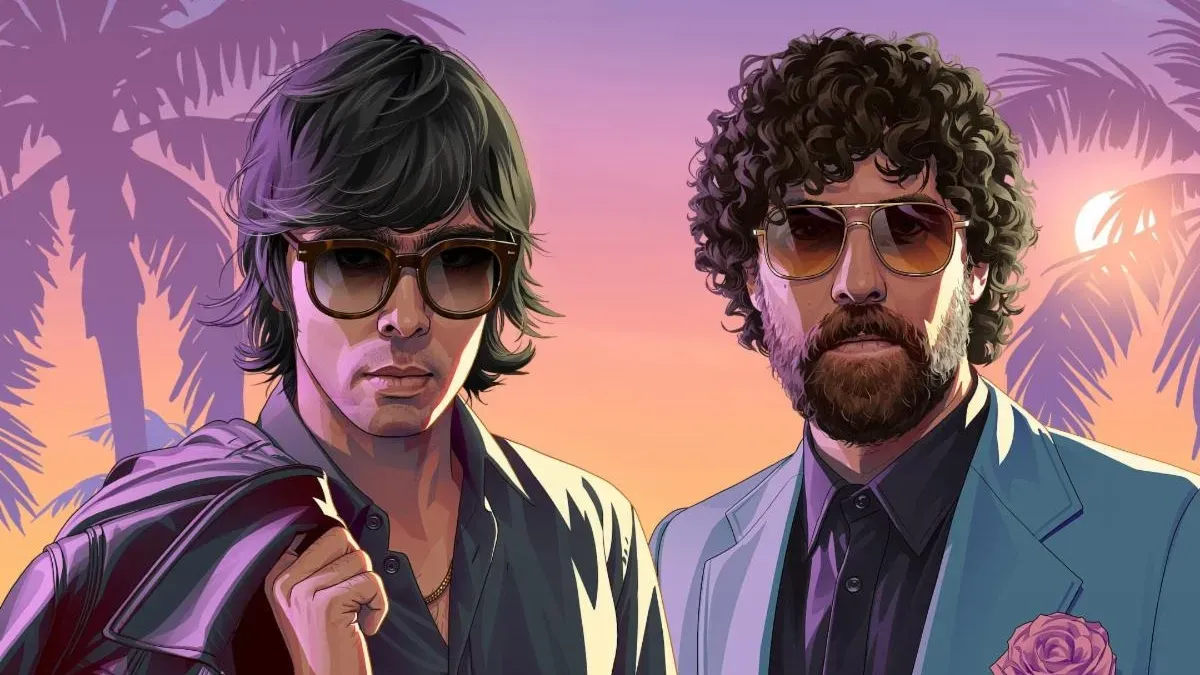
Justice to Score GTA 6, Share New Song with Tame Impala, SZA, King Gizzard
Rockstar taps the French duo for the GTA VI score, and the first taste is a genre-melting collab with Tame Impala, SZA, and King Gizzard & The Lizard Wizard.