

Cardi B wins $60,000 from blogger Tasha K for violating deal over Stefon Diggs posts
A $4 million defamation win in 2022 spawned a deal, and Cardi says the blogger broke it.
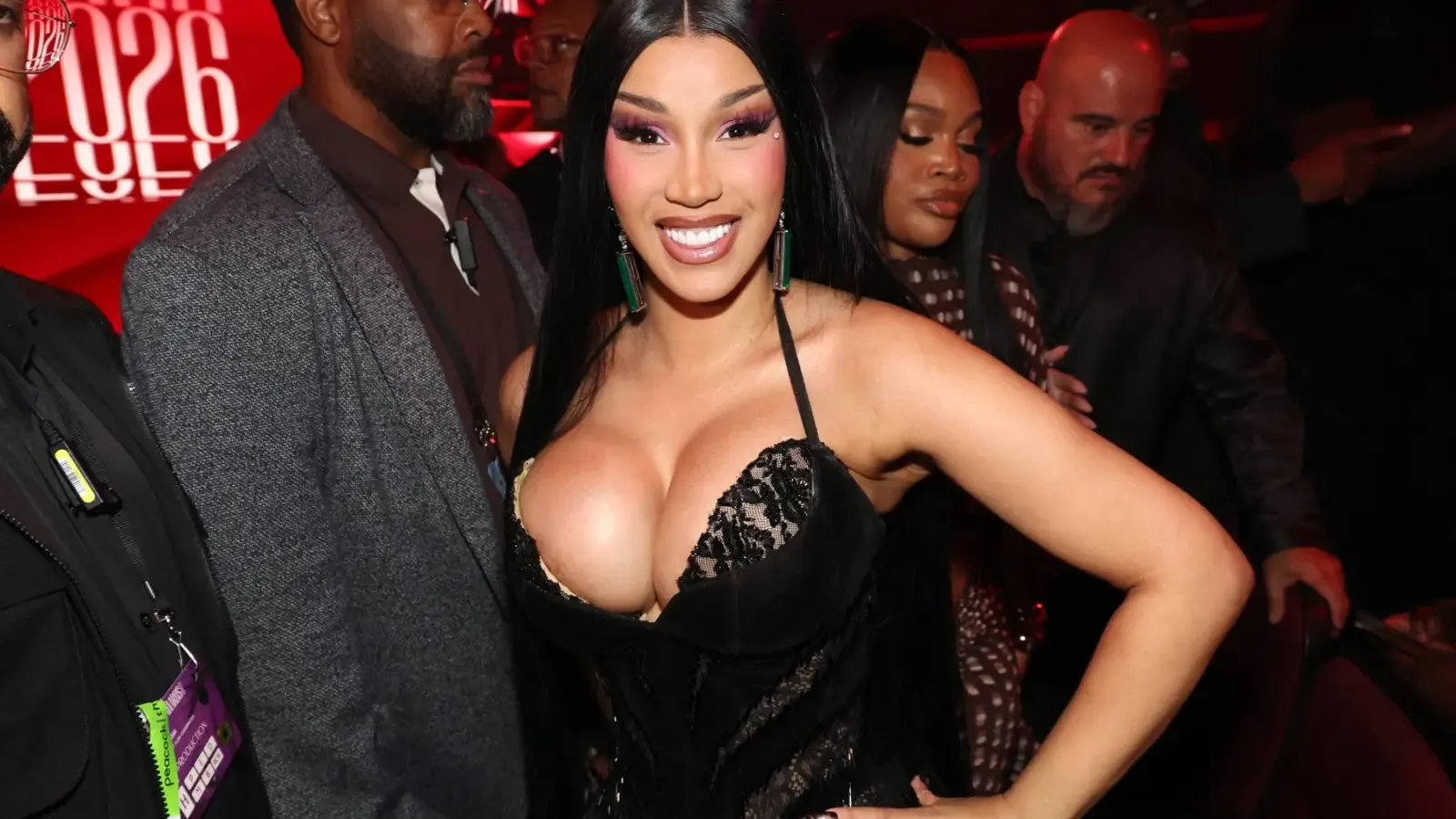
Cardi B has won $60,000 from blogger Tasha K, with Cardi arguing Tasha K violated a prior deal tied to Cardi's $4 million defamation victory in 2022. For executives and content-risk leaders, it signals how defamation settlements can turn into enforceable, money-backed constraints.
Cardi B just won $60,000 from blogger Tasha K, according to Rolling Stone, and the fight is rooted in a specific allegation: that Tasha K violated a previous deal stemming from Cardi's $4 million defamation victory in 2022. The $60,000 outcome matters because it shows the legal system is not just deciding “who said what,” it is also policing whether the parties follow the rules they already agreed to.
At the center of this is not a brand-new dispute about public figures and commentary, but enforcement. Cardi B’s position, as summarized by Rolling Stone, is that the blogger violated a deal that grew out of Cardi’s earlier $4 million win, specifically in connection with offset and Stefon Diggs posts. In practical terms, that means Cardi believes there were limits in place after the 2022 case, and that Tasha K’s subsequent posting crossed those lines. That is a different kind of risk for anyone operating in media: even if you avoided the “big” liability once, a settlement can create ongoing obligations that are enforceable in dollars.
To understand why this is worth executive attention, you have to zoom out to how defamation and content risk work in the real world. High-profile disputes often produce two parallel tracks. First is the court phase, where claims are litigated and a settlement or judgment can reshape what the public persona is willing to tolerate. Second is the post-dispute phase, where the parties may agree to specific behaviors, such as what can be posted, how it can be framed, or how future content will be handled. That second track is easy to overlook if you only track headline verdicts. But Rolling Stone’s account highlights that these “after agreements” can become the main event.
For content platforms, media companies, and influencers who think in terms of reach and engagement, the second-order implication is blunt: enforcement can land quickly and financially. A $60,000 award is not automatically existential for a large organization, but it is meaningful both as a direct cost and as a precedent signal. When courts and settlements reinforce compliance obligations, the market effect is that audiences, counterparties, and legal teams start treating settlement terms like operational guardrails, not polite suggestions.
There is also an incentive and credibility layer here. Cardi’s earlier $4 million defamation victory in 2022, as referenced by Rolling Stone, created leverage and a clearer factual narrative in her favor. When a settlement agreement or deal follows, it tends to reflect what the parties believed was necessary to prevent another costly cycle. If a blogger or creator later tests those boundaries, it can look like willful noncompliance. Even without adding new facts beyond Rolling Stone’s summary, the structure is clear: the 2022 outcome set the stage, and the later alleged violation is what triggered the $60,000 result.
Executives should pay attention to what this means for “risk budgeting” and legal workflows. In many organizations, teams categorize issues into buckets: defamation, privacy, IP, harassment, platform policy violations. But when the dispute is driven by a settlement deal, the key issue becomes contract-like enforcement, not just “was the content true.” That is why board-level and C-suite oversight matters. Decisions about content moderation, creator partnerships, and legal review thresholds need to reflect that some liabilities come from how you comply with promises, not just what you publish.
If you are advising boards or leading operations, the strategic stake is clear: the organizations with the best reputations are often the ones that can demonstrate disciplined follow-through after legal outcomes. The public might remember a single $4 million defamation victory, but the real operational test is whether obligations created by that case are treated as ongoing requirements. Rolling Stone’s report of Cardi B winning $60,000 from Tasha K over an alleged violation tied to offset and Stefon Diggs posts is a reminder that content disputes rarely end with a verdict. They continue, sometimes with a bill.
This story's Key Insights and Take-aways are locked.
Create a free account to unlock Executive Actions for one credit.
Register to UnlockAlways free for Executives Club members. Join the Club
More in Business

Comcast shares jump 25% as it plans to split NBCUniversal and Sky
The tax-free spin-off could reshape focus, funding, and competition across media and tech for years.

Bungie cuts most Destiny 2 staff as Sony says Marathon still matters
Herman Hulst confirms layoffs affecting most Destiny and some Marathon teams after Bungie admits Destiny fell short.

SK Hynix jumps 11% after seeking up to $29.4B in Nasdaq listing
The chip giant filed for a Nasdaq listing plan that could raise $29.4 billion, instantly reshaping investor expectations.