

CCI fined HP India ₹138.85 crore after WhatsApp bid-rigging proof, 2017-2020
The regulator says HP told resellers what to bid for, blocking bids and coordinating cover bids to rig tenders.

The Competition Commission of India (CCI) fined HP Inc. and some of its resellers, after finding “cartelisation” that rigged bids for PCs and printer supplies between 2017 and 2020. For decision-makers, the case is a reminder that procurement “process tweaks” and reseller management can still look like collusion to regulators.
The Competition Commission of India (CCI) just put a price tag on a tender-rigging scheme it says even HP resellers thought was too expensive to ignore. The regulator fined HP Inc. and some resellers a combined ₹138.85 crores, about $14.4 million, for what it calls “cartelisation” activities that inflated the cost of PCs and printers. It is not the size of the fine alone that makes this matter. It is what the CCI says enabled the scheme: bid instructions, bid restrictions, and collusive conduct evidenced through WhatsApp records.
In CCI’s findings, HP India facilitated collusive behavior during 2017-2020, including practices it describes as bid rigging with cover bidding, price fixation, and customer allocation. The CCI says HP told resellers what prices to charge when bidding for tenders posted to a government procurement site, and it also prohibited some resellers from bidding on tenders. In the regulator’s account, HP and certain resellers were “operating in a collusive arrangement,” and this included cover bidding, where one reseller submits a deliberately high bid that is unlikely to win, so other resellers with more reasonable quotes can still take the sale.
If you are a buyer, this is the boring part that becomes expensive: your “competitive auction” may not be competitive. The mechanism the CCI describes is designed to reduce real price competition while still producing outcomes that look plausible on paper. Cover bidding, in particular, can make an auction appear lively, while steering who wins and what the price ends up being. Meanwhile, CCI says HP would decide in advance which resellers would sell to which customer, which turns what should be an open selection process into something closer to pre-planned allocation.
So why would a company let its commercial machinery look like a cartel? The CCI’s order gives two motives, and both are incentive stories regulators tend to care about. First, it says HP wanted to remain competitive with other PC and printer makers rather than to favor a particular reseller. Second, it says HP tried to prevent a shift to counterfeit ink and toner, arguing that Tier-2 resellers faced “constant downward pressure on pricing” due to new resellers, and those resellers threatened to compete by moving to low-cost counterfeit products. In other words, the regulator framed HP’s actions as “defending” its printer supplies business, not simply pushing margins.
But regulators do not grade on intent. They look at conduct. The CCI says some Tier-2 resellers formed an “understanding” about the prices they would charge so they would not undercut each other’s bids, and it states HP “facilitated” the development of that understanding. Then came the escalation of the procurement playbook. A second CCI order, this one relating to the sale of PCs, describes HP’s role in navigating reverse auctions used to determine winners for some tenders. The regulator says HP India faced a risk if its resellers exited early due to unsustainable downward pricing pressure that would result in no sale for HP India. As a result, it says coordination among HP India’s resellers was designed to ensure that at least one reseller remained present in the final round.
There is a subtle but important corporate governance lesson inside that “at least one reseller” line. Procurement processes often have built-in dynamics that a board would normally view as value-protecting and competition-promoting. Reverse auctions are meant to pressure suppliers down, which should help buyers. But if supplier participation is managed in a way that ensures certain outcomes, the auction becomes an orchestration problem. The CCI essentially treats that orchestration as collusion when it is used to fix prices, allocate customers, or structure cover bids.
For HP, the CCI’s conclusion triggers a straightforward compliance mandate: the orders compel HP, and the resellers it worked with, to cease all such activity. The company may not view ₹138.85 crores as existential compared to its overall revenue scale, but the compliance and reputational impact can be longer-lived than the fine. For peers, the case is a warning about reseller ecosystems, procurement tools, and everyday operational coordination. When you manage bids across partners, tell partners what to bid, limit who can bid, or rely on messengers like WhatsApp to align conduct, regulators may see a cartel arrangement even if management believes it is controlling counterfeit risk or protecting business continuity.
At a strategic level, this is the moment where “channel management” stops being a sales problem and becomes a competition-law problem. If you are an executive overseeing procurement, partner performance, or tender strategy, this case asks a hard question: are you truly enabling competition, or are you designing the conditions so competition cannot meaningfully happen? The CCI answer, backed by WhatsApp evidence and detailed descriptions of bid rigging techniques from 2017-2020, is that HP India’s approach crossed the line. Boards should treat that line as closer to the edge than many companies assume.
This story's Key Insights and Take-aways are locked.
Create a free account to unlock Executive Actions for one credit.
Register to UnlockAlways free for Executives Club members. Join the Club
More in Business

Epic and Google drop settlement bid, forcing rival Android app stores by July 22
Google told the court it is ready to carry third-party app stores starting Wednesday, July 22.
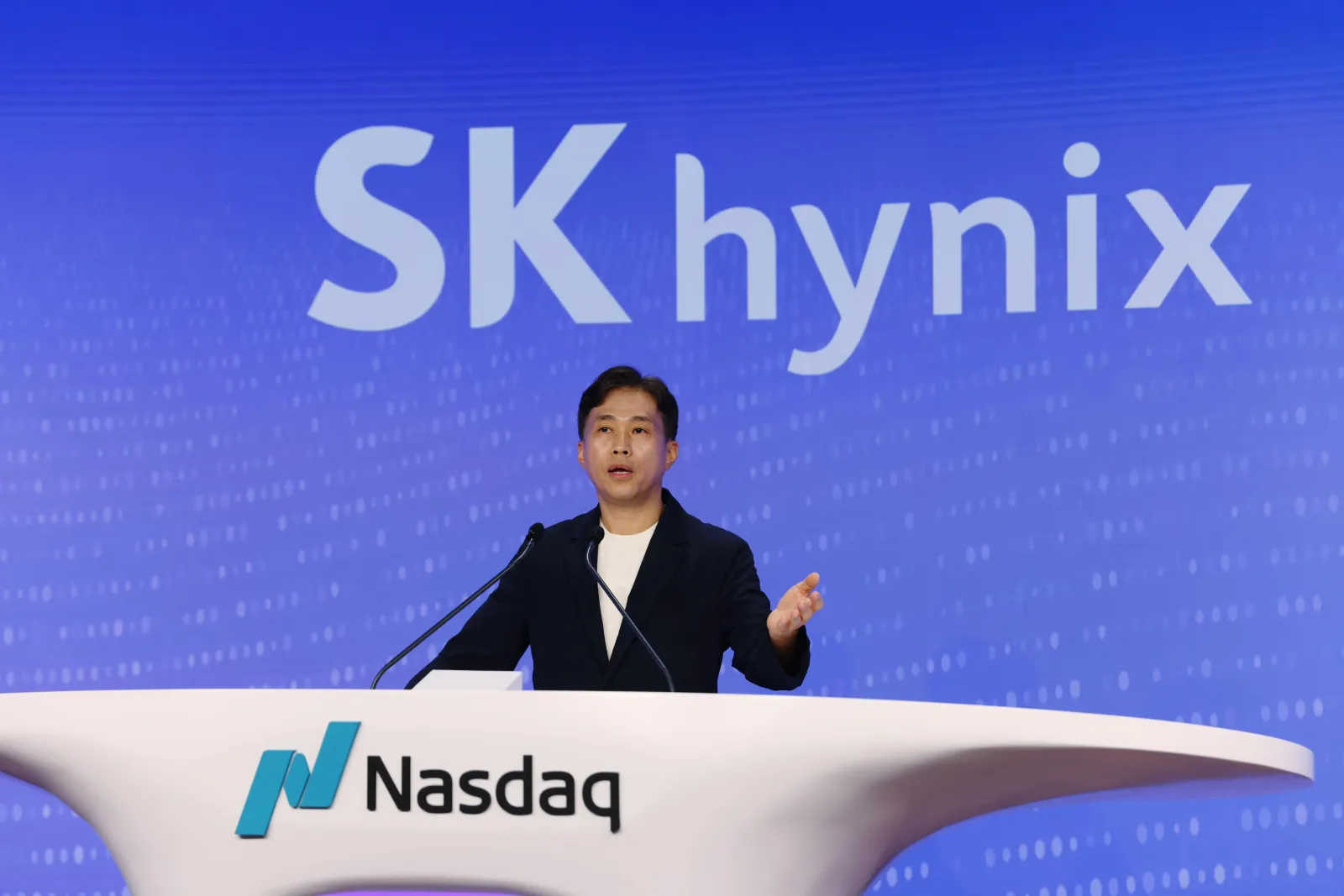
SK Hynix opens at $170, raises $26.5B, and tops foreign IPO records
In Friday's Wall Street debut, SK Hynix turns AI RAM demand into a $26.5B fundraising moment that rewrites comps.

China lands a reusable Long March booster, a first that matches SpaceX and Blue Origin
A barge landing and net-based recovery move China from theory to proof, reshaping the reusability race and satellite ambitions.