
Cecilia Vega still says she was fired from 60 Minutes without a reason
At NABJ, the first Latina correspondent for the CBS program says leadership edits went political, but CBS disputes it.
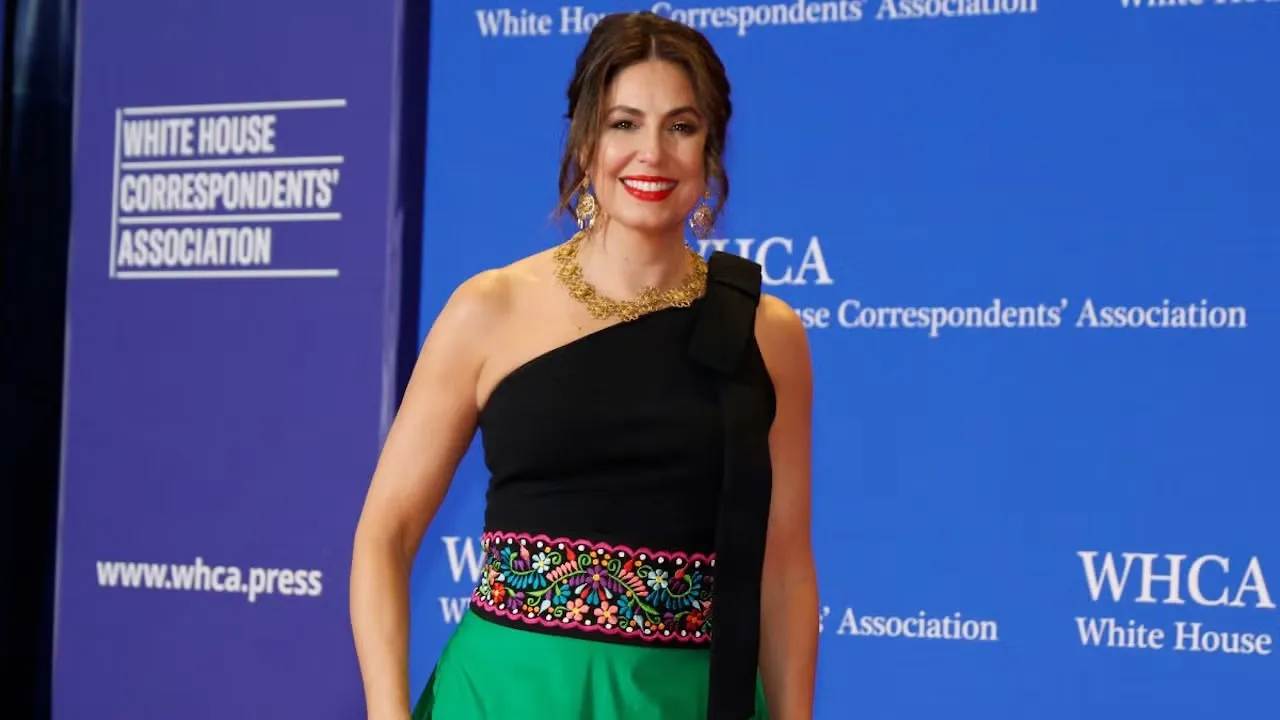
Cecilia Vega, the first Latina correspondent for CBS's 60 Minutes, told the National Association of Hispanic Journalists Conference and Expo that she still has not been given a reason for her firing this past spring. Her account also alleges editorial interference and content requests she and her team say they could not substantiate.
Cecilia Vega says it is still “about three months now” and she still does not know why she was fired from CBS’s 60 Minutes this past spring. Speaking Thursday at the National Association of Hispanic Journalists Conference and Expo in New Orleans, La., the journalist told moderator John Quiñones, “I was not given a reason. I still have not been given a reason.”
That same onstage conversation quickly broadened beyond the termination itself. Vega framed her exit as part of a wider shift in how editorial leadership engaged with her reporting, saying she felt pressure and “real tension” during screenings and feedback sessions “towards the end” of her time at 60 Minutes. She also described being “scared” to discuss her departure, while adding, “there is a lot at stake,” and clarifying, “It’s not that I just lost a job. There is a lot at stake.”
If you are an executive in media, this is the uncomfortable part. When a senior journalist says, in public, that they were given no reason and that editorial leadership effectively changed how they could report, the operational question becomes a governance question: what internal process exists for staffing decisions, and what record is there to support them? Vega’s account does not just raise “how could this happen?” It raises “what happens next,” including how other correspondents interpret feedback cycles, how producers handle controversial requests, and how viewers read the credibility of investigative work.
Vega’s comments also put names and structures into the spotlight without fully litigating them onstage. She previously accused editorial leadership, which includes CBS Editor-in-Chief Bari Weiss, of trying to “insert political bias” into her pieces. During the NABJ interview, Vega said she had not previously experienced edits that she believed came from “misinformation or politics,” and she drew a line between those earlier experiences and what she felt changed later: “That’s the difference.” She further attributed what she described as the changing dynamic to “the new administration at CBS News,” saying it “started to change when new people started showing up in the screenings and giving their feedback on pieces.”
The practical mechanics matter here, because Vega described specific story moments where she says management asked her team to include footage or framing that she and her team could not substantiate. According to Vega’s account, following the fatal shootings of Renee Good and Alex Pretti by ICE, she claimed she was encouraged to use footage of protesters attacking civilians who the protesters believed were officers in everyday clothes. Vega said her team was unable to find “credible examples” of this requested footage. She also described being asked to include a moment from Minneapolis Mayor Jacob Frey, in which he allegedly stated in a press conference that he wanted the police to fight ICE agents enforcing immigration policies, saying she and her team watched every frame and did not find the moment: “That never happened.”
She added another example about Iran military framing. Vega said she was told to open a piece with a line stating, “Who is winning the war? Iran is totally outgunned by the United States and Israel,” which she felt was a Trump administration talking point. She also discussed pushback related to a story about SNAP benefits cuts in West Virginia, where she was specifically talking to residents impacted by the change and, per Vega, did not interview Vice President JD Vance. In Vega’s telling, she stood her ground, telling the crowd: “If you watch my pieces, you’d see those examples did not make them in.”
Now layer in what CBS says, because Vega’s narrative is not unchallenged. A spokesperson told TheWrap that when Vega made warnings in May about “censorship” and “political bias” at 60 Minutes, “We respect Ms. Vega and her contributions, but her claims are not based in reality.” A representative for CBS News did not immediately respond to TheWrap’s request for comment.
For decision-makers, the second-order implication is not just reputational. It is operational risk. Investigative journalism is built on trust, but trust is a two-way street: viewers need transparency about sourcing and process, and journalists need clarity that their editorial standards will not be overridden by outside political pressure. When a high-profile correspondent publicly claims they faced “real tension,” and then links that tension to specific editorial requests they could not verify, it forces leadership to re-explain how editorial independence works inside the building. It also pressures HR and programming teams to think about retention risk: even if CBS’s dispute is correct, the publicity creates a chilling effect in the newsroom, where creators may wonder how far they can push a story before screenings start to feel like a trial.
There is also a broader regulatory and public-policy dimension, even if the article itself does not cite regulators directly. Media organizations operate under scrutiny from regulators and lawmakers across multiple jurisdictions, and immigration enforcement and sanctions narratives, like the ICE and Iran examples Vega cited, are exactly the kind of topics that invite heightened attention. Vega’s account touches on immigration enforcement, U.S. and international conflict framing, and welfare policy. In other words, it lands in the overlap between politics and proof. When that overlap turns contentious, the market consequence is twofold: audiences can polarize on whether a piece is “biased,” and platforms can accelerate the spread of conflicting narratives faster than traditional corrections can keep up.
Ultimately, Vega’s core claim is simple and stark: she says she still does not know why she was fired, after she was given no reason. Whether CBS disputes her interpretation or not, that gap in explanation, paired with her detailed allegations about editorial feedback and unverifiable requests, becomes a strategic stress test for every media executive watching from the inside. If you lead a newsroom, this is a warning about what happens when editorial governance and personnel decisions are not fully aligned in process, communication, and documentation.
This story's Key Insights and Take-aways are locked.
Create a free account to unlock Executive Actions for one credit.
Register to UnlockAlways free for Executives Club members. Join the Club
More in Politics
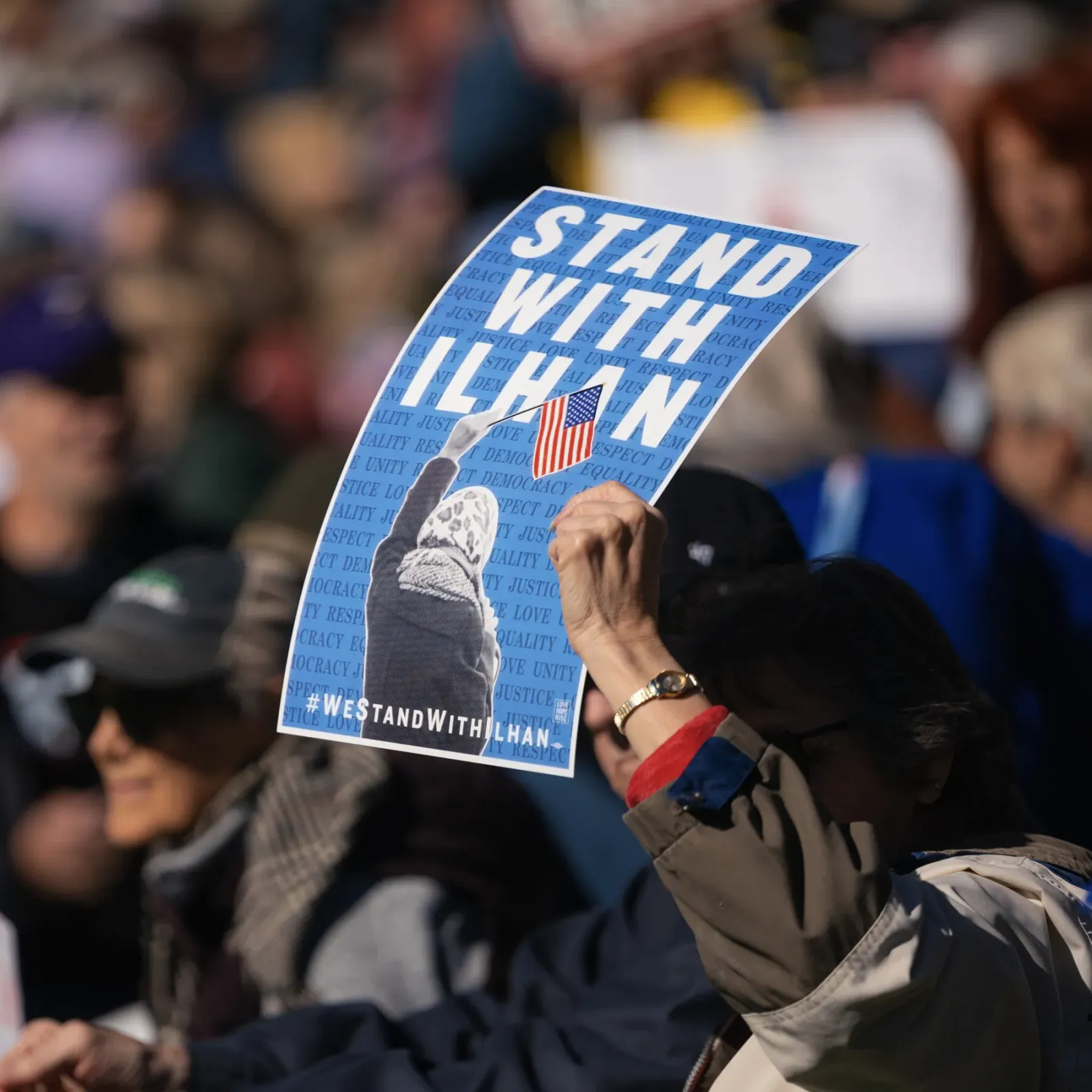
Obama Defends Ilhan Omar After Agents Search Her Home in Trump Inquiry
The former president's intervention raises the stakes in a federal probe into immigration paperwork that has put a prominent progressive lawmaker in the crosshairs.
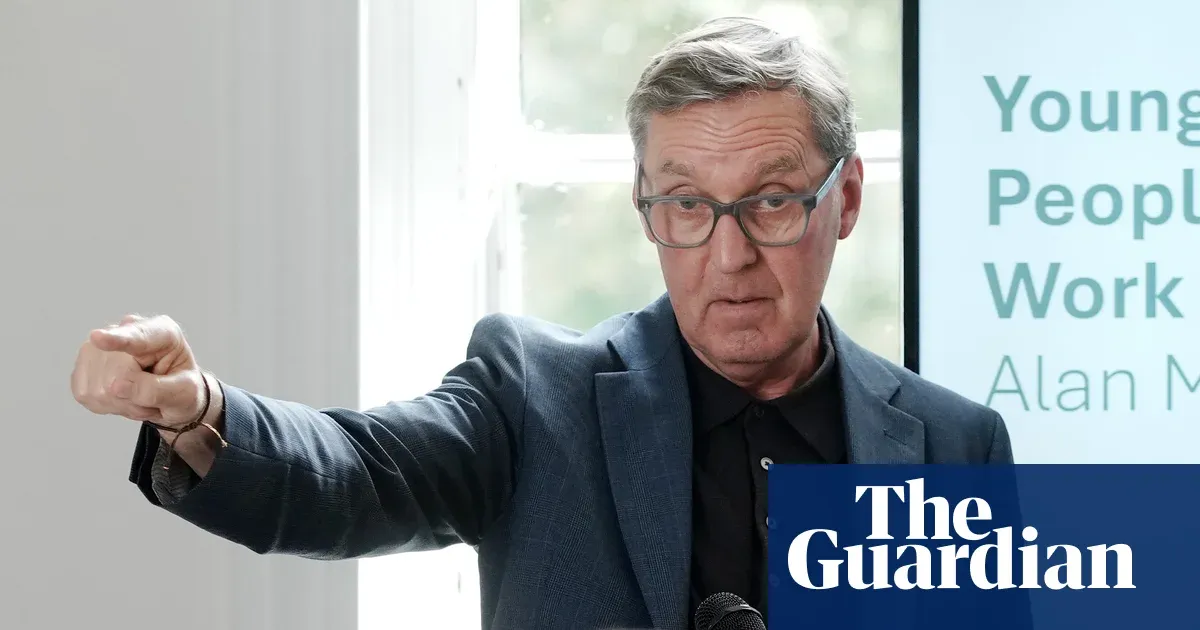
Blair-era minister: cut welfare to fund youth job support
Alan Milburn's call for welfare cuts to fund employment support opens a Labour fight over benefits and the Neet crisis.
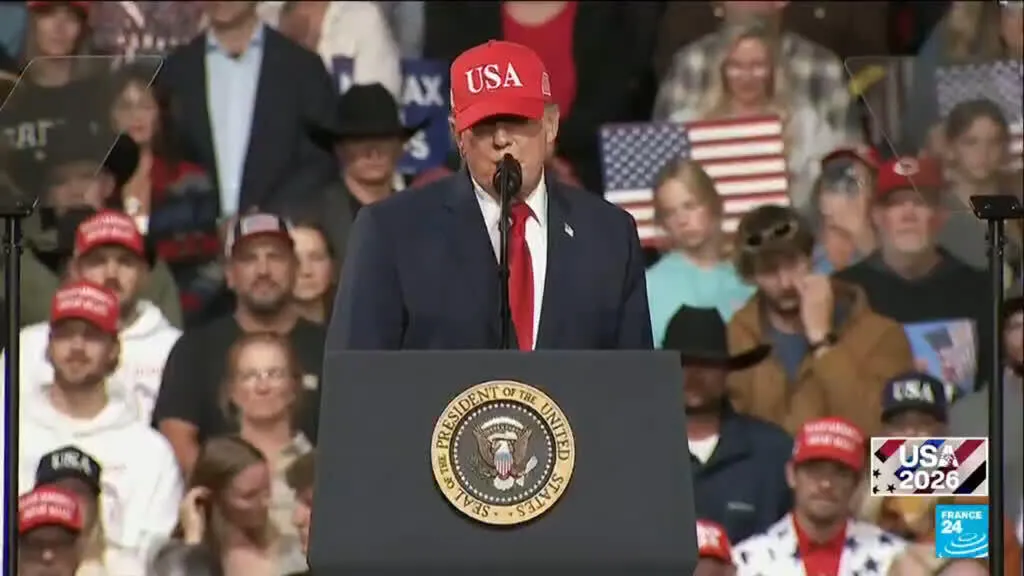
Hot September CPI: energy costs surge, voters feel the squeeze before midterms
The latest inflation print lands as Trump campaigns for GOP control of Congress, putting cost-of-living worries at the center of the midterm fight.