

Ceuta 2026: 60,000 migrants crossed in days, 67 died, Spain moves for a 500m barrier
The latest Ceuta surge flips the 2021 crisis timeline, and EU leaders are pushing emergency interior talks over border controls.

France 24 reports that almost all of the tens of thousands of migrants who entered Spain's enclave of Ceuta had left by Saturday, after an estimated 60,000 people crossed from neighboring Morocco in just a few days. Spain has announced plans for a 500-metre-long containment barrier, prompting EU interior ministers to face calls for emergency talks.
Almost all of the tens of thousands of migrants who entered Spain's enclave of Ceuta had left by Saturday, according to officials. That is the first line of the story, but the numbers underneath it are what make executives sit up. An estimated 60,000 migrants crossed into Ceuta from neighboring Morocco over just a few days, and at least 67 people lost their lives in the attempt.
Spain is now reacting with a concrete engineering response: plans to install a 500-metre-long containment barrier along the sea border. At the same time, a majority of EU countries have called for emergency talks in an open letter to the bloc's interior ministers. In other words, this is not just a humanitarian flashpoint. It is a test of how quickly governments can harden borders, coordinate across the EU, and manage the political and operational fallout when a crisis moves at the speed of a migration wave.
To understand why this matters beyond the headlines, zoom out to what Ceuta represents. Ceuta is a Spanish enclave, bordered geographically and politically by Morocco, and it tends to concentrate migration routes. When tens of thousands show up rapidly, it compresses every decision timeline. Authorities have to manage reception, safety, processing, and security while trying to limit the incentives for future surges. When the movement stops as quickly as it began, it can look like a win for containment. But the reported death toll of at least 67 is the part that never fits neatly into a “successful control” narrative.
Spain's announced 500-metre-long containment barrier is the policy version of a rapid patch. A barrier is meant to change route economics in real time: make crossings harder, slow down flows, and reduce the space available for large, fast movements. The sea border matters because water routes compress risk and logistics. If you are a government operator, you are not just drawing a line on a map. You are deciding how to allocate engineering capacity, procurement, perimeter enforcement, and coordination with maritime authorities. If the public pressure spikes, the political calendar does not wait for construction timelines, which can push governments toward visible measures early, even while longer-term solutions are debated.
Then there is the EU layer, and this is where the story becomes a board-level coordination problem, not only a national one. The fact that a majority of EU countries have called for emergency talks in an open letter to the bloc's interior ministers signals that Ceuta is not being treated as Spain's problem alone. In practice, this can shape how responsibilities are divided across the EU, including issues tied to migration governance, solidarity mechanisms, and how interior ministries align on crisis posture. Open letters are a familiar tool in Brussels politics, but what matters for executives is the signal they send: when multiple member states coordinate publicly, internal debates can harden into policy commitments faster.
Also, the timing is part of why the comparison to 2021 crisis headlines is unavoidable. France 24 frames this as a Ceuta 2026 surge that dwarfs 2021. The details given in the source do not provide 2021 numbers in this excerpt, but the underlying dynamic is clear: rapid spikes, high human cost, and the search for containment measures that can stand up to political scrutiny. For decision-makers, the second-order question is not “did the wave arrive?” It is “can the system prevent the next wave, or merely absorb it better?”
What makes this especially consequential now is the combination of scale, speed, and immediate policy response. An estimated 60,000 crossings over just a few days implies operational systems were stressed quickly. If almost all of the tens of thousands had left by Saturday, officials may view the movement as short-lived. Yet the reported deaths indicate that even short-lived surges carry catastrophic downside. That tension often drives governments toward visible deterrence, like the 500-metre barrier, while EU leaders push for emergency coordination to decide who does what next and how quickly.
For peers in similar roles across government, NGOs, and even private security and logistics ecosystems, the strategic stakes are straightforward. Border policy is not an abstract debate. It drives budgets, staffing plans, vendor procurement, crisis communications, and inter-agency workflows. When an event like Ceuta 2026 moves this quickly, the organizations that win are the ones that can coordinate under uncertainty, translate humanitarian imperatives into operational plans, and respond to EU-level calls for alignment without waiting for perfect conditions.
Ceuta 2026 is, in short, a rapid-unraveling moment followed by a rapid hardening push. Spain is planning a 500-metre sea barrier. A majority of EU countries are demanding emergency interior talks. And the numbers, including the at least 67 deaths, ensure that this will not fade into a routine border story. It will sit in the policy bloodstream for months, shaping how the EU prepares for the next surge it hopes never comes.
This story's Key Insights and Take-aways are locked.
Create a free account to unlock Executive Actions for one credit.
Register to UnlockAlways free for Executives Club members. Join the Club
More in Politics
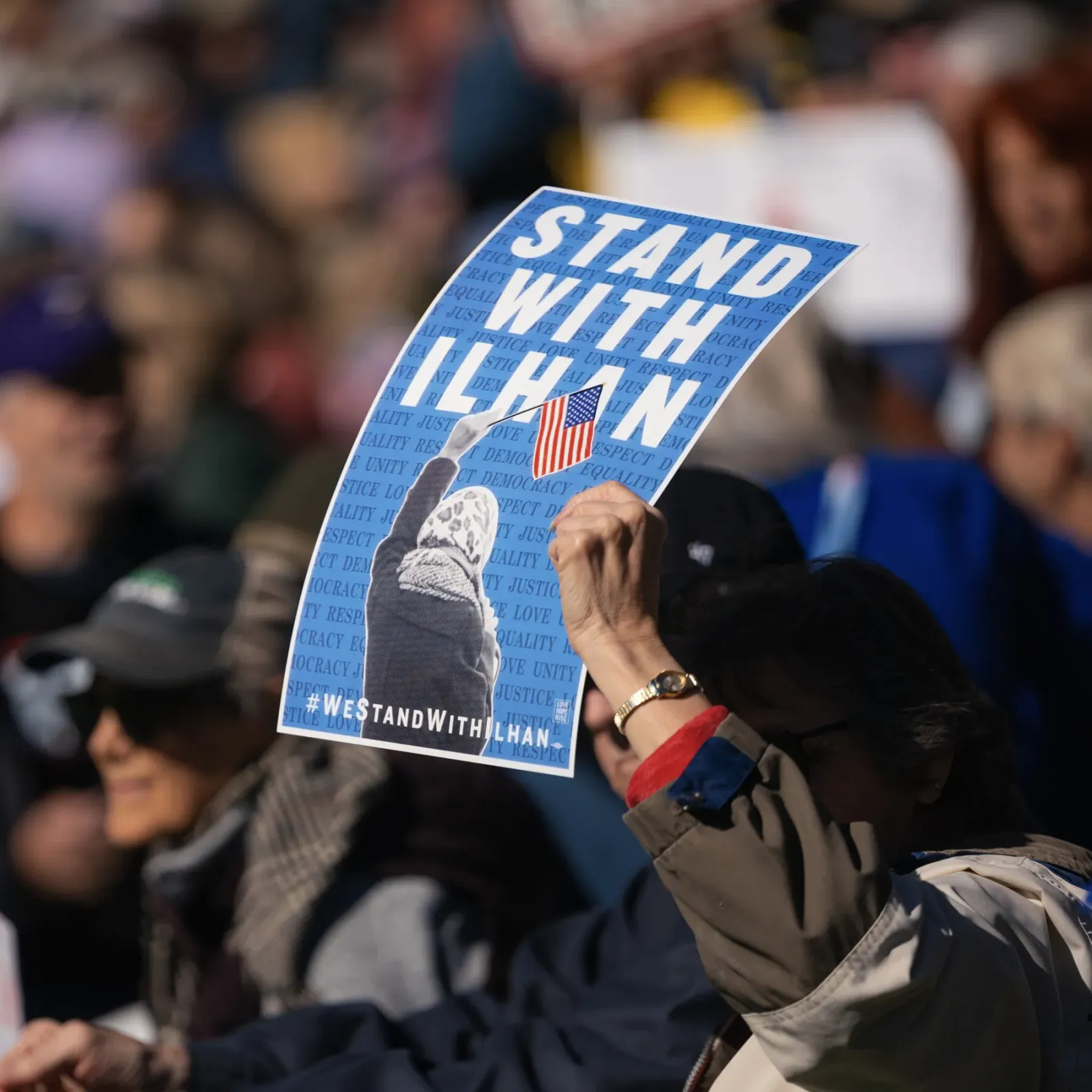
Obama Defends Ilhan Omar After Agents Search Her Home in Trump Inquiry
The former president's intervention raises the stakes in a federal probe into immigration paperwork that has put a prominent progressive lawmaker in the crosshairs.

Blair-era minister: cut welfare to fund youth job support
Alan Milburn's call for welfare cuts to fund employment support opens a Labour fight over benefits and the Neet crisis.

Hot September CPI: energy costs surge, voters feel the squeeze before midterms
The latest inflation print lands as Trump campaigns for GOP control of Congress, putting cost-of-living worries at the center of the midterm fight.