

Chancellor Rachel Reeves vows October budget and power shift out of Westminster
In her first key pledge, the new chancellor links the October budget to distributing money and power across Britain.
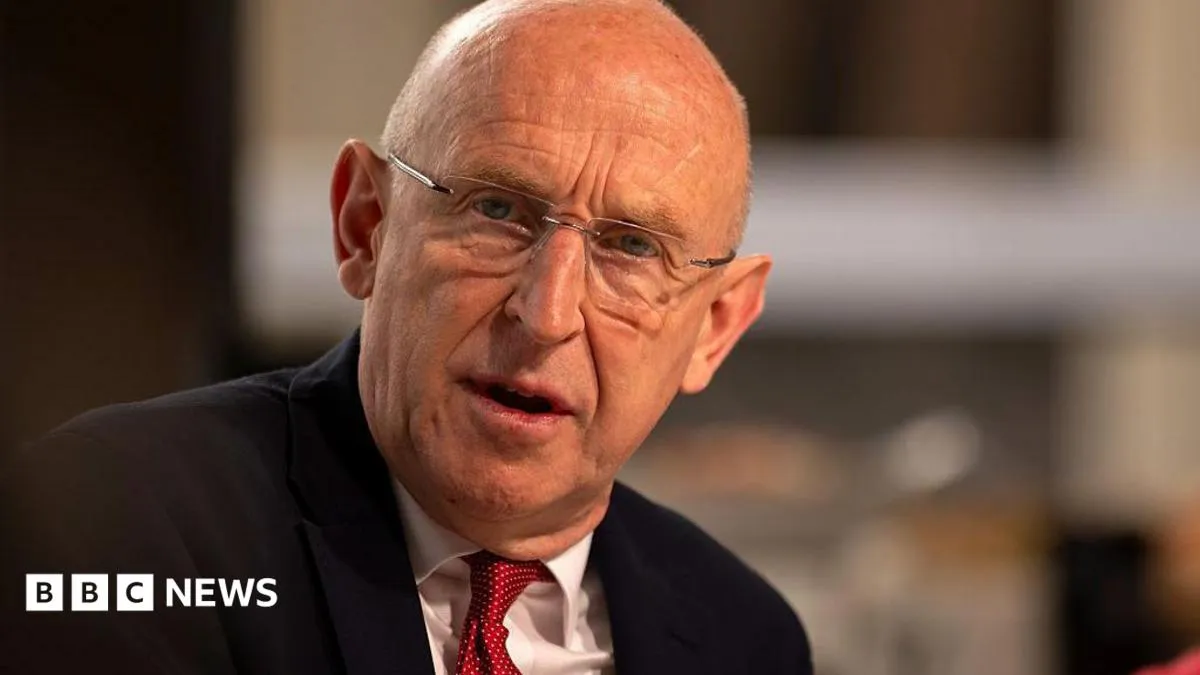
Rachel Reeves, the new chancellor, announced that the budget will be held in October. She also pledged to move money and power out of Westminster and into every postcode around Britain.
Rachel Reeves, the UK’s new chancellor, said the budget will be held in October. In the same announcement, she tied the timing to an agenda that goes beyond spreadsheets and tax bands: she pledged to move money and power out of Westminster and into every postcode around Britain.
That combination matters, because a budget is not just a calendar event. It is where governments decide what they will fund, what they will cut, and which parts of the country get to feel those choices in real time. Reeves is setting expectations early that the October budget will be framed as a distribution story, not solely a “manage the deficit” story. For decision-makers watching from the boardroom, the key question becomes simple: if the policy pitch is “every postcode,” what does that mean for budgets, procurement, regulation, and the money flows that companies and local authorities depend on?
To understand why this is a bigger deal than it sounds, you have to remember how power tends to concentrate around the capital. Westminster drafts the rules, sets many of the incentives, and controls major levers of central spending. When a chancellor publicly signals a plan to shift money and power outward, it usually points to a reorientation of who gets decision-making authority, how quickly funding can be deployed locally, and which regions might receive priority attention when ministries translate high-level goals into operational programs.
But pledges also have a mechanical side. Budgets are how governments turn political narratives into administrative reality. If Reeves is serious about moving money and power into “every postcode,” then the October budget has to do more than declare an intention. It would need to align funding streams with delivery pathways. That can mean changes in how schemes are designed, how local governments bid or apply, and how central departments measure outcomes. Even without any additional details in this announcement, the direction of travel is clear: the chancellor wants the next big fiscal moment to feel local, not distant.
There is another reason the “October” detail deserves attention. Budget timing affects markets and planning cycles. Businesses, investors, and lenders typically factor in a potential wave of policy changes when the government signals when the big fiscal statement will land. Holding the budget in October gives the public sector a hard deadline to finalize numbers, and it gives companies a window to model scenario shifts around taxation, spending levels, and regulatory priorities that can follow from those numbers. If policymakers are emphasizing a nationwide distribution message, the market will watch for evidence that it translates into real funding decisions rather than purely political language.
For executives sitting on boards, this pledge raises second-order questions. Boards think in terms of stability, predictability, and where demand will come from. If central government spending and program design start to privilege a broader set of regions, it can reshape demand for infrastructure, public services, housing-related activity, and contract-heavy industries that are sensitive to public procurement. It can also change how risk is allocated between central bodies and local delivery partners. In a world where public spending can swing quickly, “where the money lands” is as important as “how much money there is.”
Reeves’ approach also matters for governance dynamics across the political system. A chancellor who frames power moving out of Westminster is effectively challenging the default center-of-gravity for decisions. That has implications for how different tiers of government collaborate, and how ministries negotiate accountability. If decision-making moves, responsibilities move too. For boards that work with government stakeholders, that means relationships may pivot from Westminster-centric counterparts toward regional and local implementers.
The strategic stake for peers is straightforward. If the October budget becomes a vehicle for redistributing money and power nationally, then every company and sector that intersects with government spending, regulation, or program delivery will want to understand what “every postcode” means in practice. The October date anchors that uncertainty to a deadline. The pledge gives it a storyline. The execution will determine whether this is a meaningful shift in how the state operates, or a slogan that disappears once the fiscal math starts.
This story's Key Insights and Take-aways are locked.
Create a free account to unlock Executive Actions for one credit.
Register to UnlockAlways free for Executives Club members. Join the Club
More in Politics

Obama Defends Ilhan Omar After Agents Search Her Home in Trump Inquiry
The former president's intervention raises the stakes in a federal probe into immigration paperwork that has put a prominent progressive lawmaker in the crosshairs.

Blair-era minister: cut welfare to fund youth job support
Alan Milburn's call for welfare cuts to fund employment support opens a Labour fight over benefits and the Neet crisis.
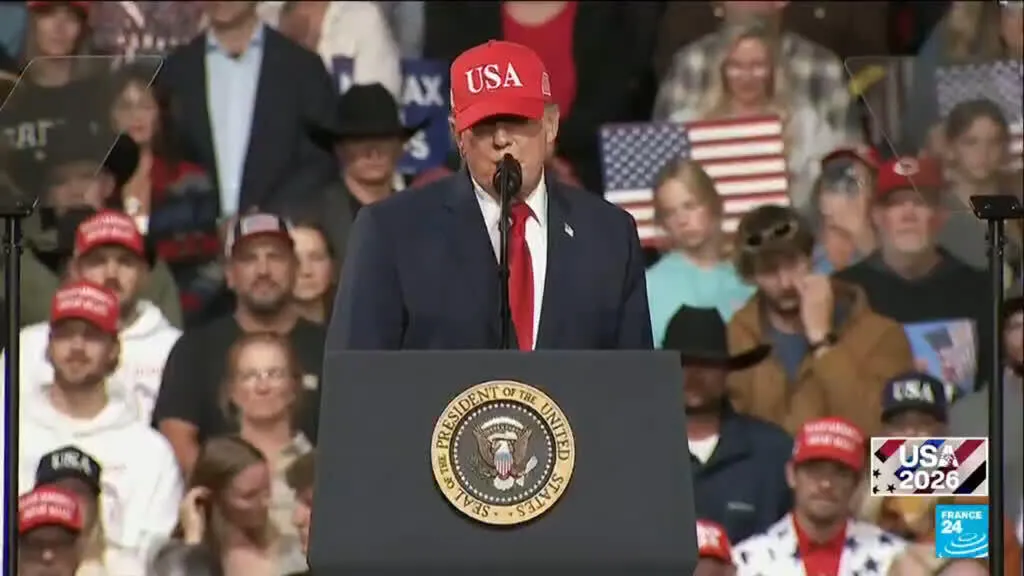
Hot September CPI: energy costs surge, voters feel the squeeze before midterms
The latest inflation print lands as Trump campaigns for GOP control of Congress, putting cost-of-living worries at the center of the midterm fight.