

Chery moves into a Nissan plant in Barcelona, signaling a European EV factory takeover
As Europe’s incumbents struggle to fill idle capacity, Chery prepares Barcelona EV production, reshaping who controls supply.
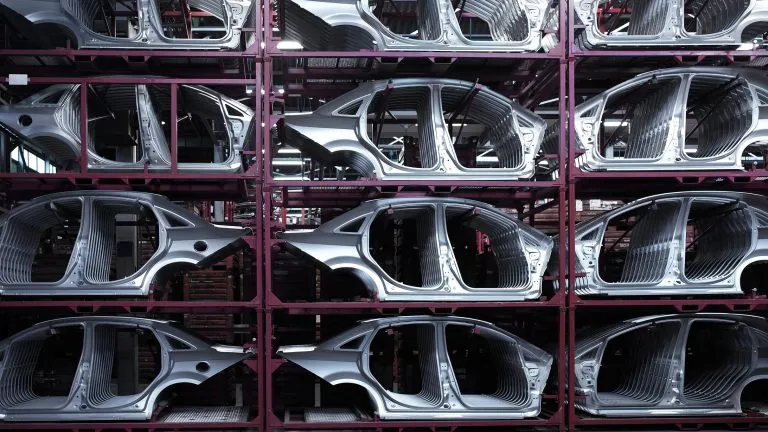
China's EV makers are shifting from pressure at home to building in Europe’s underused car factories, with Chery planning to start EV production later this year at a former Nissan plant in Barcelona, Spain. For decision-makers, this turns “rescue” headlines into a competitive risk: European production capacity could increasingly serve Chinese brands.
China’s EV makers are squeezing out of their home market and into Europe’s idle car factories. The headline risk is that what looks like a manufacturing lifeline for a region with too much capacity could become a long-term reroute of where EV supply comes from. In the specific case at the center of this shift, Chery plans to start building EVs later this year at a former Nissan plant in Barcelona, Spain.
That detail matters because it is not a vague expansion story. It is factory-level movement into the heart of Europe’s auto industry, and it is happening with Chery leading the charge among Chinese EV makers. The former Nissan site in Barcelona is the kind of asset that can anchor jobs, supplier networks, and local political support. Once that production is running, the question is no longer whether Europe can attract output. It is whether Europe becomes a production platform for Chinese brands as incumbents reposition.
To understand why this is happening, you have to look at the incentives on both sides of the channel. On one side, Chinese EV makers are “squeezed at home.” The phrase matters because it describes pressure, not just opportunity. When growth is harder domestically, companies look outward. Europe, meanwhile, has factories. Europe also has buyers who have been trained to expect more EV options, plus governments that have been trying to balance decarbonization goals with industrial competitiveness. If you can secure plants, you can secure production scale, and scale is where margins are won or lost in hardware businesses.
On the other side, Europe’s automakers face a different kind of constraint: the ability to keep factories fully utilized. The source frames the core dynamic bluntly: Ford and Nissan “can’t fill” their European factories, leaving capacity idle. When capacity is idle, it creates an opening. In theory, that opening can be filled by any partner who has vehicles to build and volume to sustain. In practice, Chinese EV makers have a clear reason to move quickly. They can bring products and manufacturing intent that turn empty floors into revenue.
This is why a move like Chery’s can feel like either rescue or retreat. If Europe’s plants are underutilized, having a new EV production line can stabilize jobs, keep suppliers engaged, and improve local economics. But there is a second-order trade-off. The more production that is routed through European factories, the more leverage shifts toward the companies that control vehicle programs, component specifications, and sourcing decisions. That is exactly the point the source hints at: “What seems like a rescue could prove to be a retreat.”
It is also why the “heart of Europe’s car industry” line is doing real work. Barcelona is not a random industrial park on the edge of nowhere. It sits inside a dense ecosystem of European automotive activity, where supply chains and brand strategies overlap with regulatory scrutiny. If Chinese EV production ramps there, that can ripple through suppliers, logistics, and local labor planning. It can also change how European executives think about their own factory plans, because the baseline assumption of “we will keep these facilities running” stops being guaranteed when external competitors can step in.
Regulation is the next layer, and it shapes what “taking over” means in the real world. European automakers do not operate in a vacuum. There are rules on emissions, battery sourcing, and consumer incentives that influence everything from vehicle design to pricing. The source does not cite specific regulations, but the regulatory background is unavoidable: Europe pushes automakers toward electrification while also guarding industrial competitiveness. Chinese manufacturers moving production into Europe can be a way to align with local manufacturing expectations and reduce certain friction points tied to cross-border shipping and compliance. Put differently, setting up production in Europe is not just about building cars. It is about building a position inside the policy perimeter.
For executives at automakers, suppliers, and investors watching this shift, the strategic stakes are immediate. If Chery and other Chinese EV makers secure production in European facilities that Ford and Nissan cannot fill, Europe’s EV manufacturing footprint starts to tilt toward Chinese brands. That can pressure incumbents on cost structure and time to market, especially if competitors lock in capacity before local teams can finalize new product cycles. And once a factory is aligned to a competitor’s volume plan, the path to “winning the same asset back” gets harder.
So the story is not just about Chery. It is about the pattern. A factory move is a durable decision. It takes time to ramp. It takes contracts to bind suppliers. And it takes volume commitments to keep lines productive. If Chinese EV makers successfully replicate the Barcelona playbook across Europe, boards and leadership teams will have to treat “factory utilization risk” as a core competitive variable, not an operational afterthought.
This story's Key Insights and Take-aways are locked.
Create a free account to unlock Executive Actions for one credit.
Register to UnlockAlways free for Executives Club members. Join the Club
More in Technology

July 2 Atlas V blasts 29 Amazon Leo satellites, equaling Atlas’s heaviest load record
A 12:24 a.m. EDT window kicks off Amazon’s low Earth orbit push, tying an Atlas V weight record.

DeepSeek turned a browser-only ransomware blueprint into an attack-ready proof
Check Point says a DeepSeek sample can be made fully functional with little effort, using Chrome’s File System Access permissions.
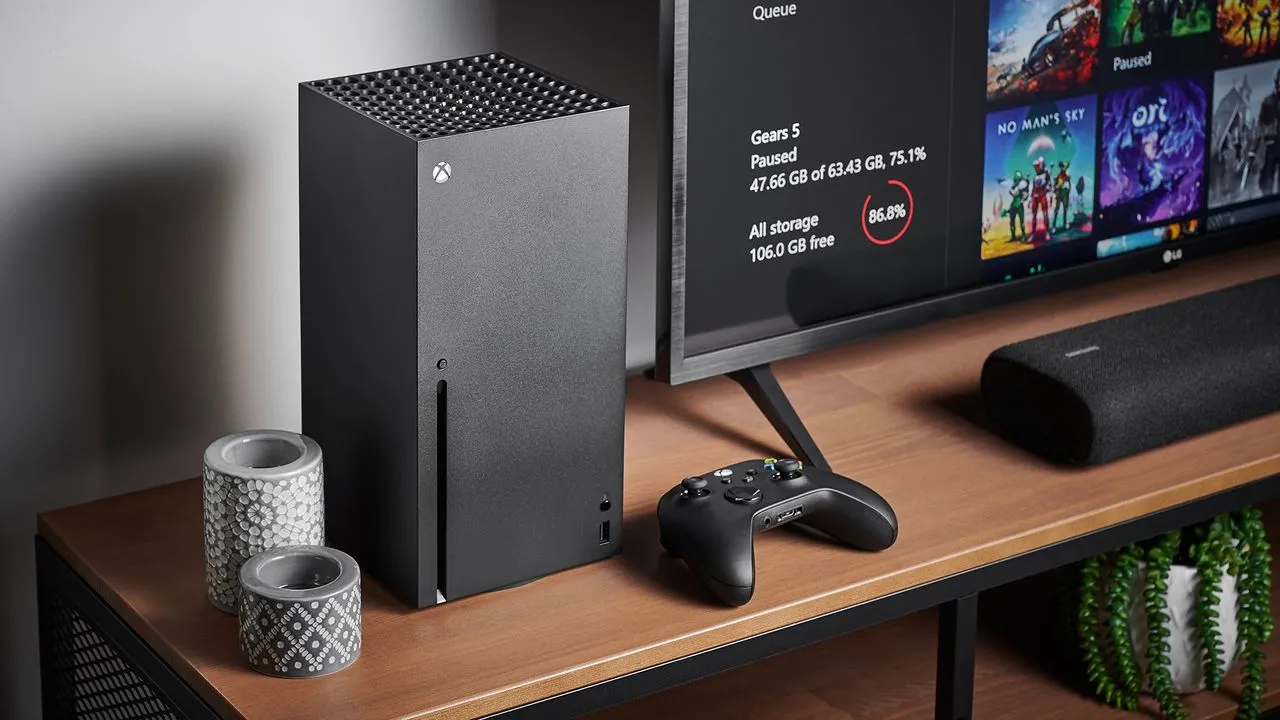
Xbox is testing Disc-to-Digital, turning disc owners into transferable digital library holders
PlayStation plans to stop disc production in 2028. Xbox’s in-testing feature could keep physical collectors from getting stranded.