
Chevron CEO Mike Wirth warns Iran war makes oil transit routes fragile
Wirth tells Maria Bartiromo the Iran war leaves energy markets “somewhat fragile and uncertain,” with transit risks across export paths.
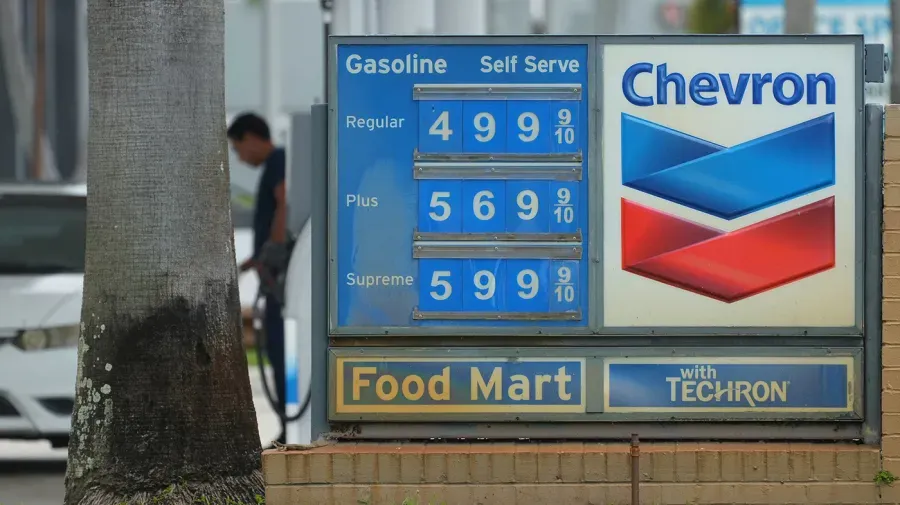
Mike Wirth, Chevron chair and CEO, said the Iran war’s impact on energy markets has left conditions “somewhat fragile and uncertain.” In an interview aired Sunday on Fox News’s Sunday Morning Futures, Wirth warned that risks extend to all the paths oil exports rely on.
Chevron chair and CEO Mike Wirth used unusually direct language for a complex market moment: he said the Iran war’s impact on energy markets has left things “somewhat fragile and uncertain.” In an interview aired Sunday on Fox News’s Sunday Morning Futures, Wirth spoke with Maria Bartiromo about how the conflict is affecting energy flows, and why that matters even for companies that are not based in the region.
The specific worry, according to Wirth, is the risk to all the transit paths for oil exports. That phrasing is doing a lot of work. It suggests it is not just one chokepoint or one route under pressure. Instead, the market is dealing with a system-wide uncertainty problem, where disruptions can show up in multiple lanes at once, forcing traders, refiners, and producers to re-route, re-price, and re-balance inventories. Even if physical barrels keep moving, the fear is that the logistics and timing become less predictable.
To understand why executives listen closely to this kind of commentary, you have to zoom out to how energy markets actually function under stress. Oil is global, but shipping is not. When a geopolitical shock hits, the bottleneck is often less about whether barrels exist and more about whether they can move on schedule through the routes that buyers and sellers have built into their planning. Wirth’s focus on transit routes is basically a reminder that the “real-time” part of energy markets is shipping, insurance, port availability, and the paper trail that turns physical movement into commercial certainty.
This is also why “fragile and uncertain” is a big deal. Markets can absorb a lot of volatility, but fragility means the swings can get amplified by second-order effects: higher shipping costs that cascade into product prices; tighter timelines that trigger inventory drawdowns; and more conservative behavior from counterparties who do not want to be the one holding the bag if a route closes or delays. For decision-makers, the issue is not only price. It is the risk of getting the timing wrong, the exposure wrong, or the supply plan wrong.
Chevron is not just a talk-in-front-of-a-camera story here. A company operating across upstream production, trading, and downstream activity has multiple ways to respond to disruptions, but those responses depend on whether the market believes the disruption is contained or persistent. Wirth’s framing points toward the second scenario. If uncertainty spreads across “all the paths” used for oil exports, then standard hedges and routine contracting strategies become less reliable because assumptions about lanes and timing stop holding.
There is also a governance and capital angle. CEOs and boards are constantly asking whether management’s plans assume stability that the world no longer provides. When a chair and CEO publicly describes conditions as “somewhat fragile and uncertain,” it is a signal to investors that scenario planning has to stay active. It is not necessarily a call for panic, but it is a cue that the range of plausible outcomes is wider than usual. In practical terms, that can affect how leadership prioritizes flexibility, liquidity, and risk management, especially when multiple parts of the energy value chain can move together under geopolitical pressure.
For peers in energy and adjacent sectors, the message is straightforward: if transit routes are threatened broadly, cost and availability pressures do not stay in one segment. Refiners may face different feedstock dynamics. Traders may see wider spreads. Companies with supply chain dependencies, staffing needs, or capex schedules tied to energy stability may need to re-test assumptions. Even outside the sector, governments and regulators tend to feel it too, because persistent volatility often turns into political pressure for action.
Wirth’s comments, delivered in a Friday interview aired Sunday, land at a moment when global energy markets often react first and explain later. His statement does not provide numbers or a timeline, but it clearly identifies the underlying mechanism: geopolitical risk is translating into uncertainty across export transit paths. For executives, that is the actionable takeaway. When uncertainty is systemic rather than localized, the hardest part is not predicting a single outcome. It is building plans and controls that still work when multiple routes and schedules degrade at the same time.
This story's Key Insights and Take-aways are locked.
Create a free account to unlock Executive Actions for one credit.
Register to UnlockAlways free for Executives Club members. Join the Club
More in Politics
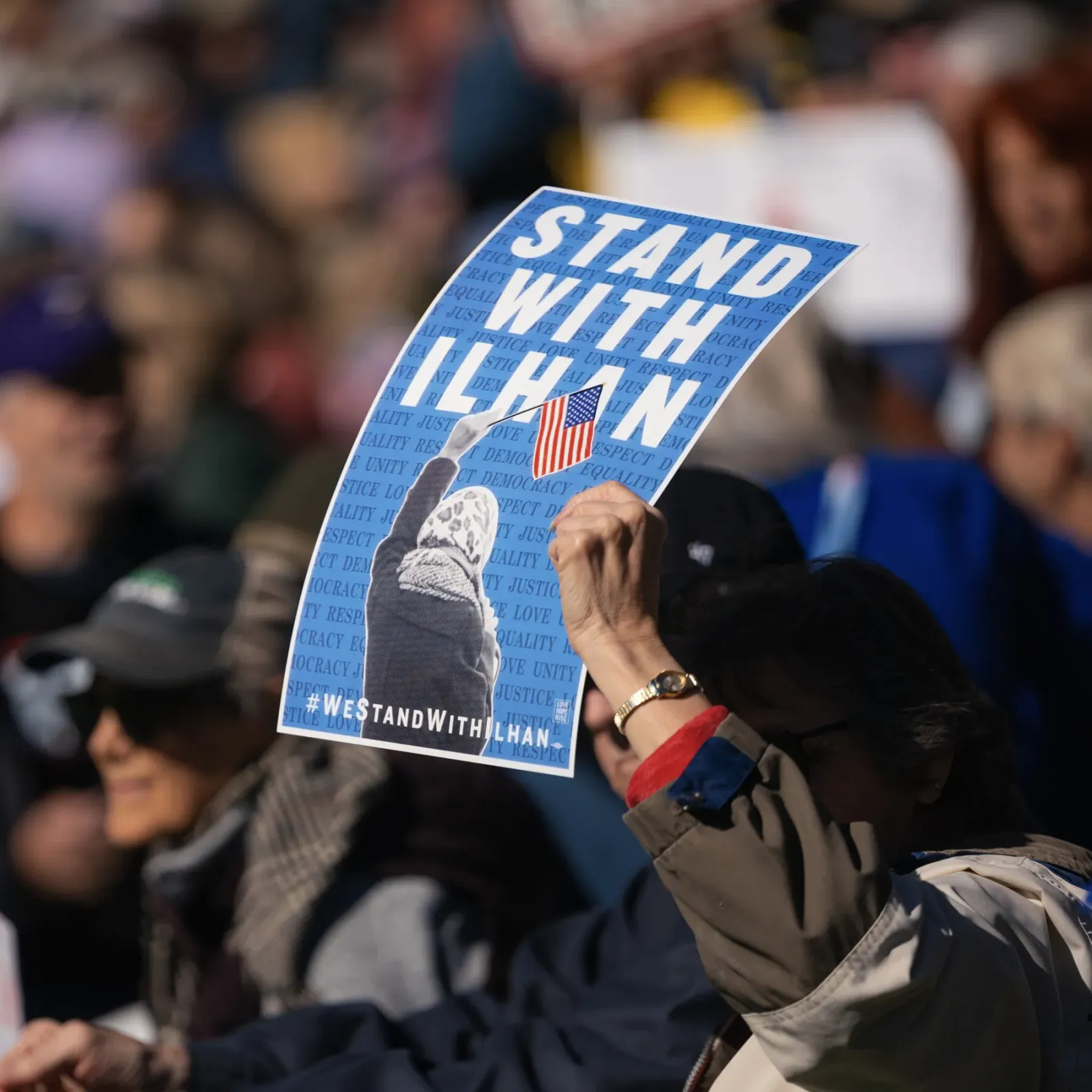
Obama Defends Ilhan Omar After Agents Search Her Home in Trump Inquiry
The former president's intervention raises the stakes in a federal probe into immigration paperwork that has put a prominent progressive lawmaker in the crosshairs.

Blair-era minister: cut welfare to fund youth job support
Alan Milburn's call for welfare cuts to fund employment support opens a Labour fight over benefits and the Neet crisis.
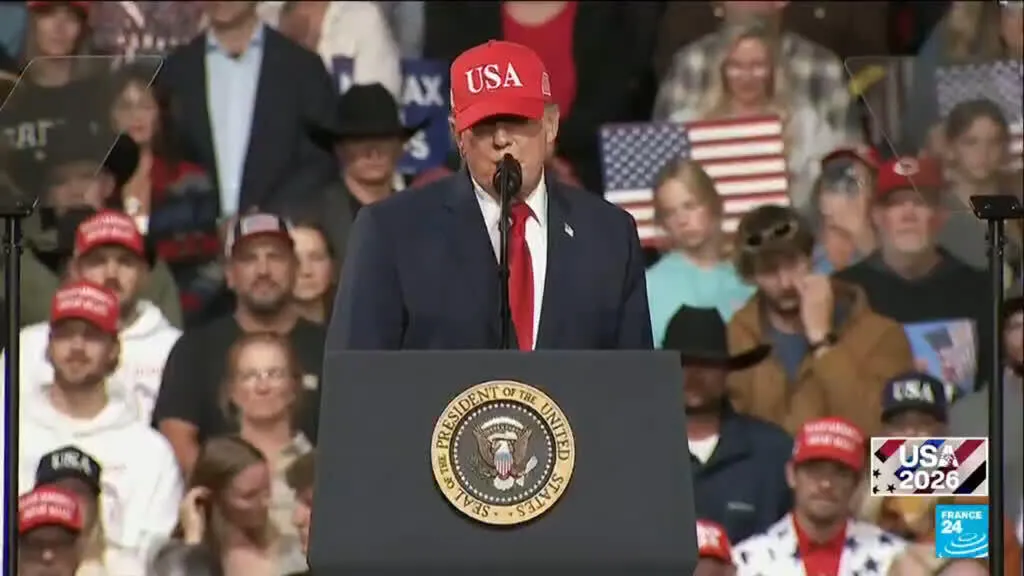
Hot September CPI: energy costs surge, voters feel the squeeze before midterms
The latest inflation print lands as Trump campaigns for GOP control of Congress, putting cost-of-living worries at the center of the midterm fight.