
Sudanese army drones kill 35 at Darfur court as 35 reported in Garra al-Zawaya
A Sunday drone strike hit a Rapid Support Forces-held village while civilians attended local hearings, killing 35 and injuring others.

The Sudanese army carried out a drone strike on Sunday that Emergency Lawyers said hit Garra al-Zawaya, where civilians gathered for local court hearings, killing 35 people. The consequence for decision-makers is a fast-rising risk profile: attacks on judicial and civilian spaces can escalate instability and complicate humanitarian and legal operations.
A drone strike by the Sudanese army hit a traditional court in Garra al-Zawaya, a Rapid Support Forces-held village in North Darfur, killing 35 people on Sunday, a rights group said. Emergency Lawyers said the attack occurred as civilians gathered for local court hearings, and it also wounded several others during the afternoon strike.
That detail matters. This was not reported as a strike on a battlefield target, but on a place where local legal processes were happening. When violence reaches court settings, it does not just create casualties. It disrupts the basic enforcement mechanism communities rely on, and it can quickly reshape trust, safety planning, and the willingness of civilians to participate in legal proceedings.
For executives and operators tracking conflict exposure, the immediate numbers are only the first layer. The reported setting, Rapid Support Forces-held North Darfur, signals overlapping authority and contested control. In these environments, parties often compete for influence, and “legitimacy” is a currency. When armed actors strike at moments when people are assembled for hearings, the action can function as both physical harm and psychological pressure, narrowing the space where dispute resolution can proceed.
There is also a second-order operational question for anyone supporting rule of law, humanitarian access, or monitoring and compliance work. Emergency Lawyers described the target as a traditional court and said civilians were present for local court hearings. That suggests the attack was carried out at a time and location consistent with public gathering. For organizations working in or alongside such regions, this changes the risk math. It affects assumptions about predictability, deters staff and contractors from attending sessions or traveling by route, and can trigger tougher access constraints even where activities are non-combat focused.
From a governance and regulatory framing perspective, attacks on civilian and judicial spaces typically raise the stakes for documentation, sanctions screening, and due diligence expectations. Even without new legal findings in the source, the reported attack creates a concrete event that compliance teams often need to account for: incident reporting, partner vetting, and careful review of affiliations. For boards and investors with exposure to logistics, insurance, media, or technology used in monitoring, this is the kind of fact pattern that can later surface in risk assessments and contractual disputes.
The strategic stakes widen beyond the immediate geography. When drones are reported used against a court in a village held by the Rapid Support Forces, it underscores how technology can compress the distance between decision-making and impact. Drones can make strikes faster and harder to deter, and that can intensify cycles of fear and retaliation. In practice, that can worsen displacement dynamics and increase the volatility of local ceasefire arrangements, even if the source does not mention any specific retaliation.
Executives who coordinate in multi-stakeholder environments should also note the communications challenge. Rights-group reporting and legal NGO updates can differ in emphasis, but both Emergency Lawyers and the rights-group framing in the source point to the same core incident: Garra al-Zawaya, Sunday afternoon, civilians gathered for hearings, 35 killed, several wounded. When credible sources converge, the event tends to solidify into a “known risk” baseline that organizations must treat as established, not speculative.
Finally, the board-level takeaway is simple: violence that targets courts and civilians can undermine the very systems that stabilize communities and enable safe planning. For peers managing conflict-adjacent risk, this incident is a reminder that risk is not only about where weapons fire happens. It is also about what happens to institutions in the blast radius, and how quickly disruption turns into long-term operational and reputational consequences.
This story's Key Insights and Take-aways are locked.
Create a free account to unlock Executive Actions for one credit.
Register to UnlockAlways free for Executives Club members. Join the Club
More in Politics
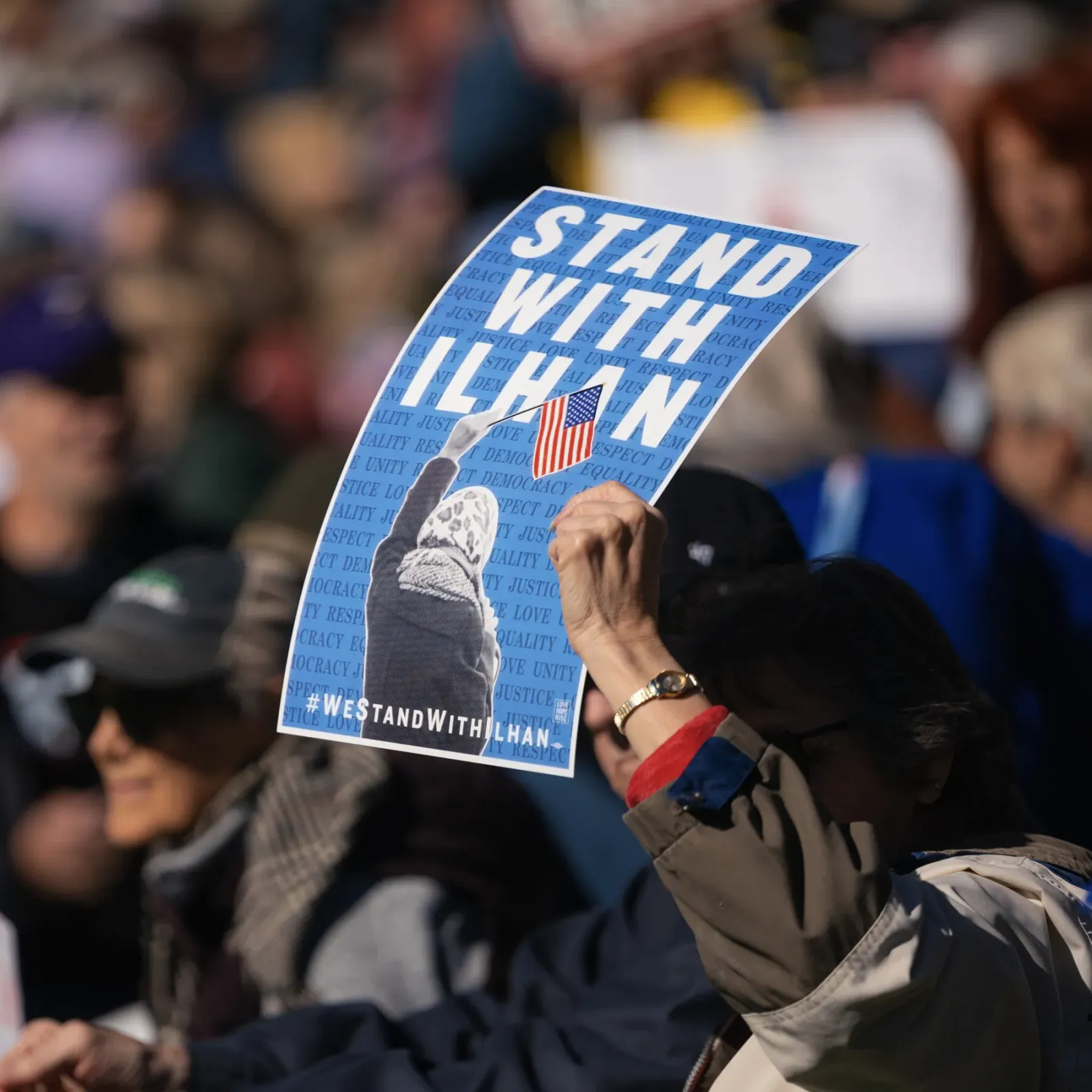
Obama Defends Ilhan Omar After Agents Search Her Home in Trump Inquiry
The former president's intervention raises the stakes in a federal probe into immigration paperwork that has put a prominent progressive lawmaker in the crosshairs.

Blair-era minister: cut welfare to fund youth job support
Alan Milburn's call for welfare cuts to fund employment support opens a Labour fight over benefits and the Neet crisis.
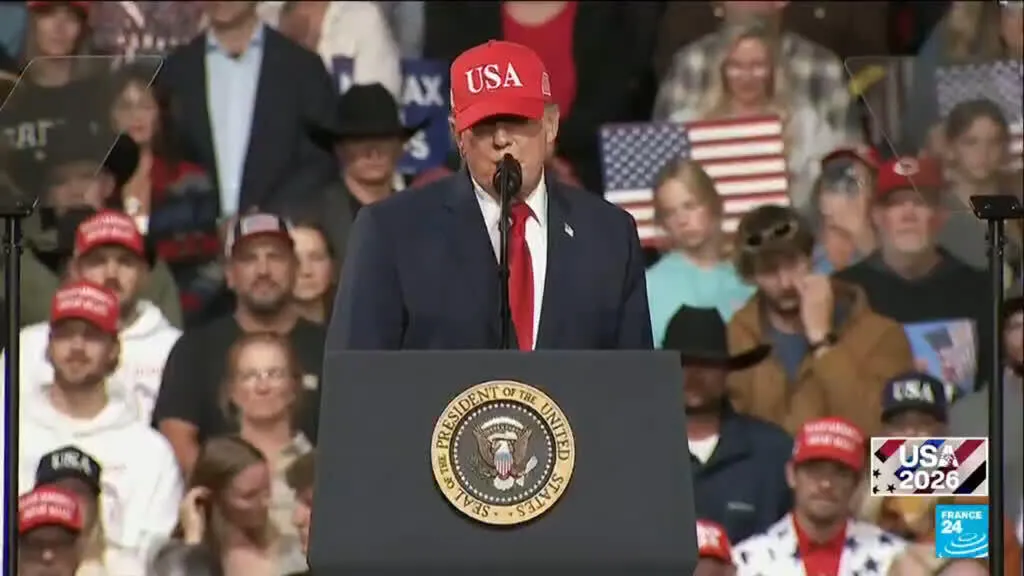
Hot September CPI: energy costs surge, voters feel the squeeze before midterms
The latest inflation print lands as Trump campaigns for GOP control of Congress, putting cost-of-living worries at the center of the midterm fight.