

Spokane wildfires force 60,000 evacuations and destroy 600 structures as winds sprint flames
Three fires in eastern Washington, driven by exceptionally dry conditions, quickly erased homes and businesses and displaced tens of thousands.

Wildfires in eastern Washington forced about 60,000 people to evacuate the Spokane area, and authorities said the flames destroyed at least 600 homes, businesses, and other structures. For decision-makers, the event is a live stress test of emergency readiness, insurance exposure, and continuity planning.
Spokane is getting hit by a fast, high-consequence wildfire run. Authorities said the fires in eastern Washington forced about 60,000 people to evacuate the Spokane area and destroyed at least 600 homes, businesses, and other structures, as of Sunday.
The reason the damage spread so quickly is also painfully specific: three separate fires erupted in and around the city as strong winds and exceptionally dry conditions fueled rapid fire spread. That combination matters because it turns “local incident” into “city-wide operational shock” before most organizations can even finish switching to backup plans.
For executives, this is not just a public-safety story. It is a disruption story with balance-sheet consequences. When tens of thousands of residents are evacuated and hundreds of structures are destroyed, businesses in the affected area face immediate impacts: physical losses, supply chain interruptions, staffing instability, and rushed decisions about whether to pause operations or relocate. Even companies not located inside Spokane can be affected if the fires interrupt regional logistics or strain emergency services that local vendors depend on.
This is where the market context gets uncomfortable. Wildfires are increasingly the kind of risk that shows up in underwriting, pricing, and contractual terms. While the source does not mention specific insurers or policy changes, the underlying mechanics are familiar to anyone who has watched catastrophe risk evolve: once a region experiences widespread damage, coverage availability and premiums can tighten, and claims processes can become protracted. Boards often discover this the hard way when the “tail risk” they thought they had already modeled starts to show up as real, unplanned cash needs.
The regulatory backdrop is also a factor, even when regulators are not the headline. In the United States, wildfire response and recovery typically involve coordination across local authorities, state agencies, and federal programs, with guidance that can shape how evacuations are ordered and how damages are documented for reimbursement. The source notes that authorities reported the evacuation and destruction figures, which signals that the situation is being tracked at an official level. That matters because documented losses can influence what resources are deployed and how quickly communities receive recovery support.
This event also highlights the operational challenge of “multiple ignition points.” The source specifies three separate fires erupted in and around the city. For organizations managing risk, multiple concurrent fires change the dynamics compared with a single incident: evacuation routes can get constrained, communications can fragment, and recovery timelines can stretch because damage is spread across different neighborhoods or facilities. In practical terms, it makes continuity planning harder, not because companies have done anything wrong, but because the scenario is more chaotic than a clean, single-path disaster plan assumes.
There is a second-order implication for corporate governance: decision velocity. When conditions are exceptionally dry and strong winds drive rapid spread, there is often very little time for deliberation. That can force boards and leadership teams to weigh tradeoffs quickly: funding emergency operations, approving relocation, authorizing claims documentation efforts, and supporting employee safety. The best-prepared organizations run tabletop exercises that assume ambiguity and compressed timelines. The unprepared ones end up reacting in real time, which can create avoidable operational losses.
For peers in similar leadership roles, the stakes are clear. You may not control the weather or prevent fire from igniting, but you do control whether your organization can keep functioning when about 60,000 people are evacuated and at least 600 structures are lost. The Spokane wildfires are a reminder that wildfire risk is not a distant headline. It is a multi-system stress test that hits people, property, and operations all at once, and it rewards teams that treat preparedness as a living process rather than a once-a-year checklist.
This story's Key Insights and Take-aways are locked.
Create a free account to unlock Executive Actions for one credit.
Register to UnlockAlways free for Executives Club members. Join the Club
More in Politics
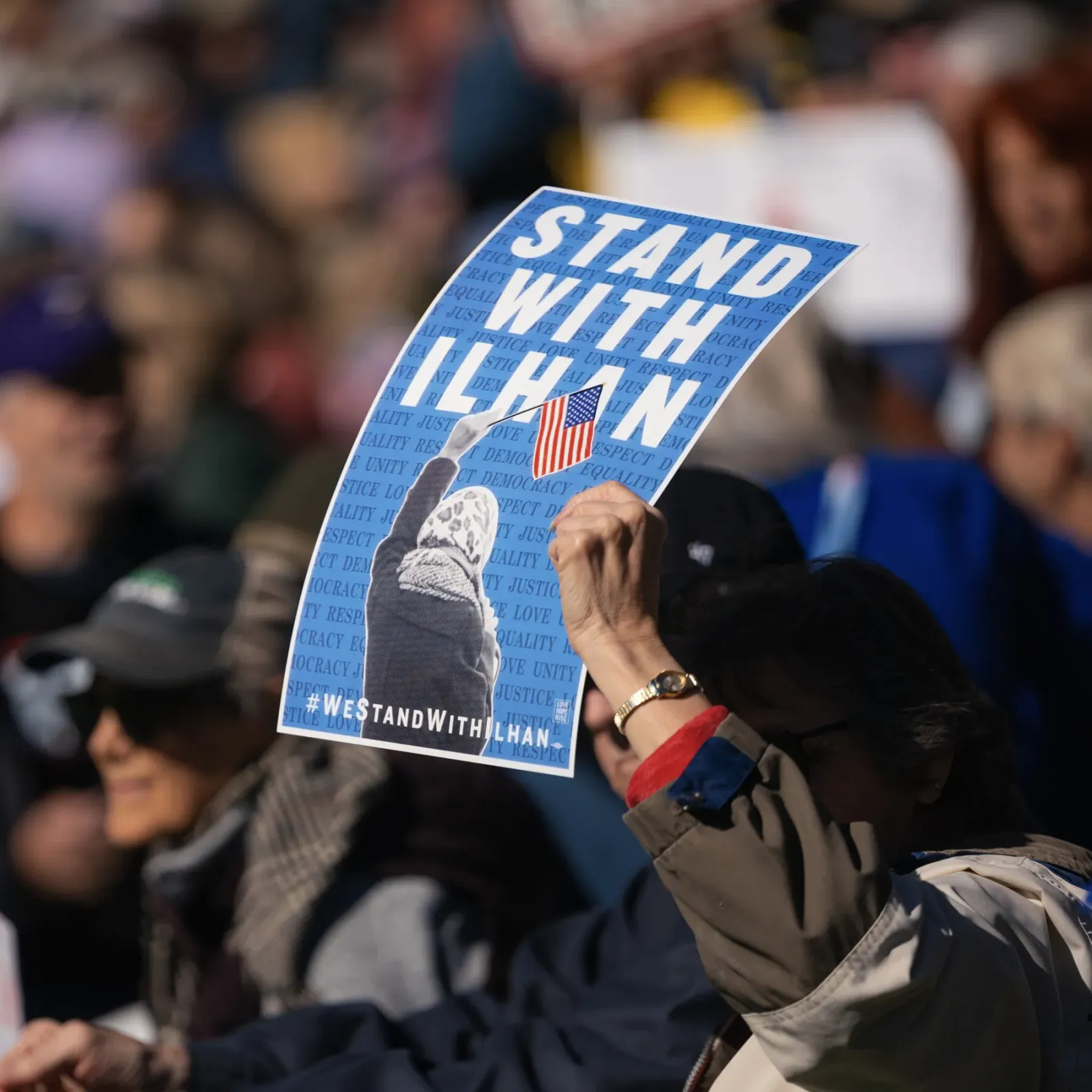
Obama Defends Ilhan Omar After Agents Search Her Home in Trump Inquiry
The former president's intervention raises the stakes in a federal probe into immigration paperwork that has put a prominent progressive lawmaker in the crosshairs.

Blair-era minister: cut welfare to fund youth job support
Alan Milburn's call for welfare cuts to fund employment support opens a Labour fight over benefits and the Neet crisis.

Hot September CPI: energy costs surge, voters feel the squeeze before midterms
The latest inflation print lands as Trump campaigns for GOP control of Congress, putting cost-of-living worries at the center of the midterm fight.