
China Resources New Energy’s $3.6B IPO breaks Shenzhen records and shifts red-chip trading
The spin-off from China Resources Power aims to raise 24.5 billion yuan, becoming Shenzhen’s biggest IPO and a first for red-chip firms.
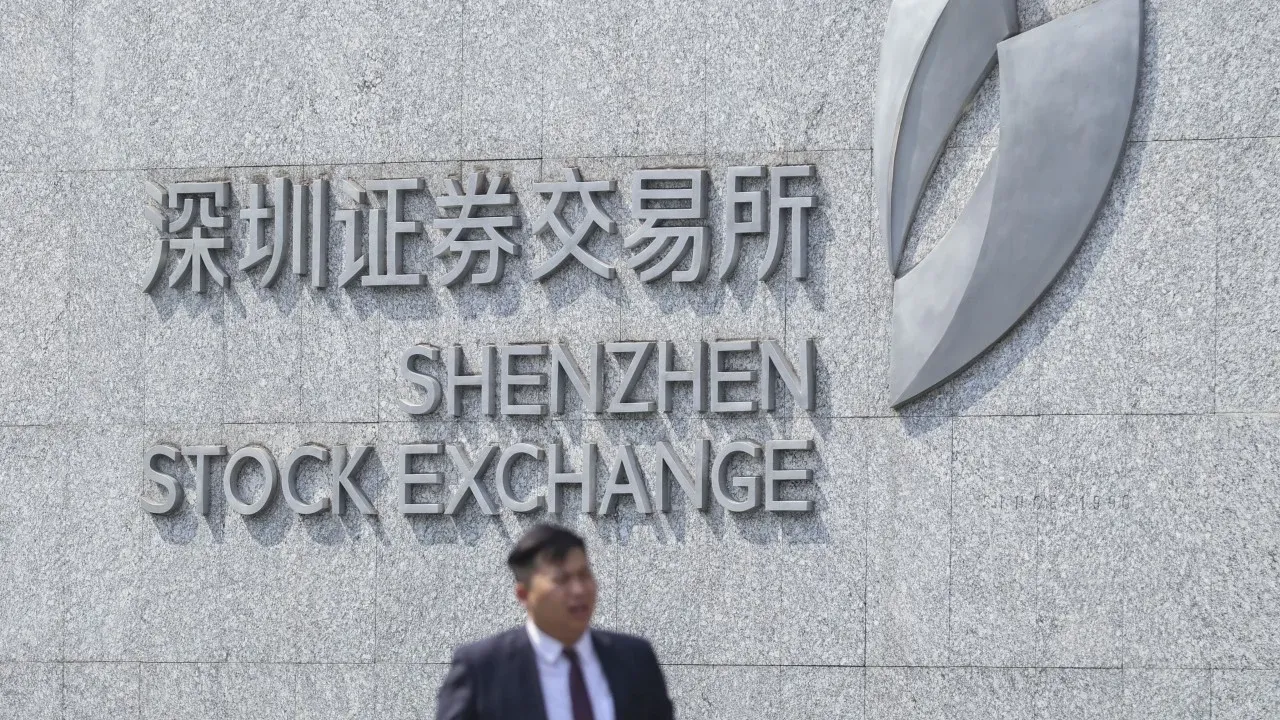
China Resources New Energy Holdings, the wind and solar spin-off of China Resources Power, is preparing a US$3.6 billion IPO on the Shenzhen Stock Exchange. The deal has already smashed multiple IPO records, with the first so-called red-chip company expected to trade on the bourse.
China Resources New Energy Holdings is walking into the Shenzhen Stock Exchange with a $3.6 billion IPO plan, and it is doing it by breaking multiple records along the way. The wind and solar power producer, carved out of China Resources Power, said it planned to raise 24.5 billion yuan from yuan-denominated shares on the Shenzhen bourse. In other words: this is not a routine listing. It is an event built to remake reference points for size, structure, and who gets to trade in the venue.
The record-chasing part matters because the company is positioning the offering as the biggest initial public offering on Shenzhen and the first “red-chip” company to trade there. That combination is exactly the kind of setup that attracts institutional attention in China’s capital markets. When an issuer can claim both maximum scale and a “first” in investor-access framing, the market tends to treat the IPO as a signal, not just a fundraiser. And because this is a carve-out from a state-backed power producer, decision-makers will watch closely not only for the money raised, but for what the structure implies about how state-linked capital allocates through the exchange system.
Zoom out for a second and you get why wind and solar listings are hot commodities in China right now. Renewables are politically and economically strategic, and they also sit at the center of infrastructure, grid demand, and industrial policy. A wind and solar producer that already has a national footprint and a parent with deep connections has a head start on scale and implementation. Listing in Shenzhen adds another layer: Shenzhen is often associated with faster-moving market dynamics and frequent listings tied to growth industries, so the exchange choice is part of the narrative. The company’s statement ties the offering to the yuan-denominated share structure, meaning the product is designed to fit local market plumbing while still delivering a headline-sized global equivalent.
Then there is the regulatory and categorization piece that turns “first” into something more than marketing. The source describes China Resources New Energy as the first so-called red-chip company to trade on the Shenzhen bourse. In common market usage, “red-chip” refers to companies with links to mainland state ownership and control, even when corporate structuring and listing practices can differ. If a red-chip issuer is now treated as a mainstream fit for Shenzhen trading, that can change how investors and issuers interpret compliance pathways, eligibility norms, and the willingness of exchanges and regulators to broaden participation.
For executives, the second-order effect is about the boardroom math. A spin-off does more than separate assets, it re-writes incentives. When a company like China Resources New Energy becomes a standalone, market-facing vehicle, management and boards typically face a new rhythm: earnings expectations, valuation benchmarks, liquidity concerns, and shareholder composition that did not exist at the parent level. Even without numbers beyond the 24.5 billion yuan plan cited in the source, you can see the underlying pressure. If the IPO is the largest on Shenzhen, then the post-listing comparison set is crowded with expectations. The company cannot simply be “good.” It has to be investable at scale, in a market that will compare it to other big-ticket offerings, as well as to broader renewables platforms.
There is also a broader competitive angle. Other renewable developers, especially those with state-linked backing, will look at whether this listing sets a new playbook for structure and venue. The source says the IPO “smashed multiple records” on Shenzhen, and records do not just reflect demand. They set reference points. In future listings, sponsors and issuers can point to what worked here, from deal sizing to exchange fit. Boards at peer firms should therefore treat this IPO as a case study in sequencing and positioning, not only as a one-off milestone for China Resources New Energy.
Finally, there is the investor-access angle that can matter for anyone allocating capital, whether you are an executive evaluating partnerships or an investor underwriting renewables. A yuan-denominated IPO of this size, paired with a first-time red-chip trading label for Shenzhen, is a strong reminder that Chinese capital markets are still evolving in how they package major sectors for public investors. If this offering becomes a new benchmark for Shenzhen issuance, it may influence how quickly other large, state-linked industrial companies consider Shenzhen as a listing venue for their own restructurings.
In the end, the stake is simple: China Resources New Energy is trying to become the biggest IPO in Shenzhen while also changing a categorization boundary by being the first red-chip company to trade there. The company already told investors the plan is 24.5 billion yuan, equivalent to US$3.6 billion, from yuan-denominated shares. Now the market will decide whether the record-setting story translates into durable performance expectations for a renewables champion emerging from a state-backed power parent.
This story's Key Insights and Take-aways are locked.
Create a free account to unlock Executive Actions for one credit.
Register to UnlockAlways free for Executives Club members. Join the Club
More in Business
KKR backs AI growth for years, but flags “extreme” sector-only productivity boom
The mid-year outlook says AI will lift growth, yet only in specific sectors. The boardroom implication: bet selectively.
HKEX CEO Bonnie Chan: tech IPOs raised HK$166B as Hong Kong tops lists
What HKEX’s CEO says about Hong Kong’s tech-friendly pivot, and why capital markets leaders should care right now.

Lee Raymond ran Exxon Mobil’s takeover spree, then fought climate science until his death at 87
The former CEO shaped Exxon Mobil with acquisitions and cost cuts, while rejecting climate consensus, leaving a governance lesson for boards.