
KKR backs AI growth for years, but flags “extreme” sector-only productivity boom
The mid-year outlook says AI will lift growth, yet only in specific sectors. The boardroom implication: bet selectively.
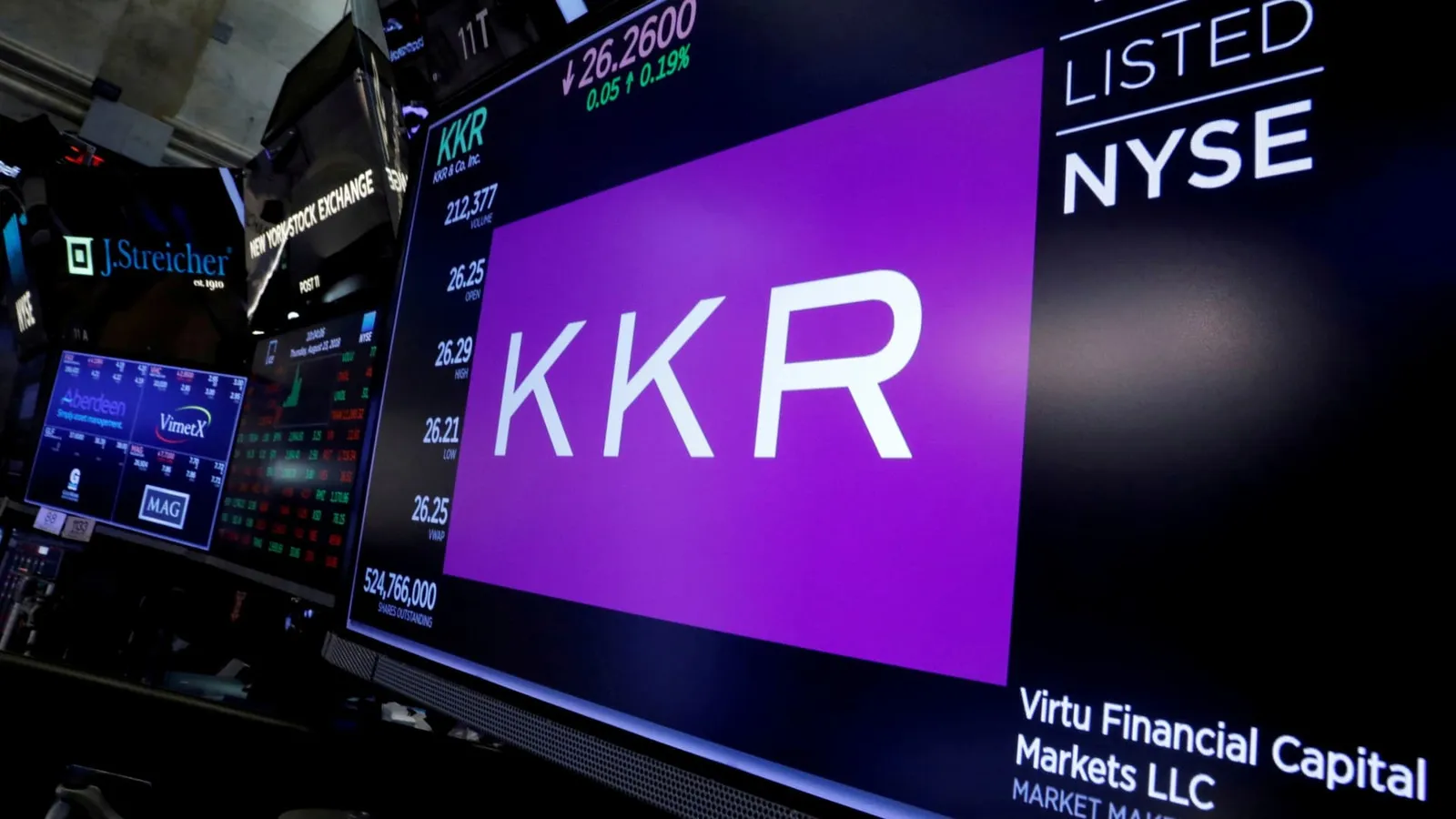
KKR said in its mid-year outlook on Thursday that AI will drive economic growth for years to come, but only in specific sectors. For decision-makers, the message is clear: the AI productivity boom is real, but uneven.
KKR is leaning bullish on AI, but with a big, specific warning that should matter to anyone allocating capital, staffing teams, or setting corporate priorities. In its mid-year outlook on Thursday, KKR said AI will drive economic growth for years to come. Then it added the part that changes how you read the headline: the impact will concentrate in particular sectors, not spread evenly across the whole economy.
That “where” matters almost as much as the “how long.” KKR cautioned about an “extreme” trend that it described as not seen since the 19th century, according to the CNBC report. In other words, the firm is arguing that the productivity effects are showing up fast enough and strongly enough to resemble something historically unusual. The likely interpretation for executives is straightforward: if you are preparing for an AI-driven productivity wave, you need to decide which parts of your business are actually sitting inside that wave.
To understand why a warning like this can move the market, it helps to translate it from macro language into incentives. Private markets, especially investment firms like KKR, live and die by timing and targeting. When they say AI will drive growth for years, that can justify longer-duration bets, pipeline build-outs, and portfolio changes. But when they also stress sector concentration, that often translates into a more selective posture: more diligence on which industries are converting AI into measurable output, and more scrutiny about where adoption is mostly hype.
There is also a governance angle here. In many firms, boards have to balance growth narratives against operational reality. A “years to come” storyline can create momentum, but it can also pressure leaders to chase AI initiatives in areas that do not have clear productivity or revenue pathways. KKR’s framing gives boards a useful constraint: AI investment needs a sector logic, not just a technology affinity.
From a risk standpoint, “extreme” and “not seen since the 19th century” are not just colorful comparisons. They suggest that the change could be unusually fast or unusually concentrated. When shifts like that happen, second-order effects follow. Workers and businesses in affected industries can reorganize rapidly, while adjacent sectors can lag behind, creating uneven competitive intensity. That unevenness can show up in everything from labor costs to customer expectations to supply chain urgency, even in companies that are “not tech companies.”
Regulation is another reason this matters. In the real world, AI adoption tends to collide with rules around data, security, transparency, and liability. Even if the broad direction of AI-driven productivity is favorable, regulatory friction can slow rollout in some sectors more than others. That means KKR’s “specific sectors” caveat may be partly about where AI is easier to deploy given compliance requirements and partly about where the economic payoff is already visible.
For executives, the stake is timing. If AI productivity is going to be a multi-year driver but only in certain sectors, the strategic question becomes: are you positioned early enough in the sectors benefiting directly, and are you prepared for slower spillover elsewhere? The alternative is a familiar one in boardrooms, underinvestment in the winners and overinvestment in the laggards, all while competitors carve out advantage.
If you run a company, this is not a call to ignore AI. KKR is effectively saying the opposite: the boom is real and it is expected to last. But it is also telling leaders to stop assuming that “AI everywhere” will produce “growth everywhere.” The smart move is to identify where AI is likely to translate into productivity gains and economic expansion, then align capital, hiring, and partnerships to that reality.
This story's Key Insights and Take-aways are locked.
Create a free account to unlock Executive Actions for one credit.
Register to UnlockAlways free for Executives Club members. Join the Club
More in Business
HKEX CEO Bonnie Chan: tech IPOs raised HK$166B as Hong Kong tops lists
What HKEX’s CEO says about Hong Kong’s tech-friendly pivot, and why capital markets leaders should care right now.
China Resources New Energy’s $3.6B IPO breaks Shenzhen records and shifts red-chip trading
The spin-off from China Resources Power aims to raise 24.5 billion yuan, becoming Shenzhen’s biggest IPO and a first for red-chip firms.

Lee Raymond ran Exxon Mobil’s takeover spree, then fought climate science until his death at 87
The former CEO shaped Exxon Mobil with acquisitions and cost cuts, while rejecting climate consensus, leaving a governance lesson for boards.