

China's AI Advances While Economy Slumps to a Decades-Low
Xi's US visit spotlights AI progress, but the real story is an economy in its worst shape in decades.

Chinese President Xi Jinping arrives in the US for a state visit, with AI advances in the spotlight while the economy faces its worst downturn in decades. For executives, the contrast signals a strategic divergence: AI investment continues to flow even as broader economic headwinds intensify.
As Chinese President Xi Jinping lands in the United States this week for a state visit, the headlines will inevitably spotlight China's advances in artificial intelligence. But the New York Times notes a quieter, more troubling story: China's economy is in its worst shape in decades. That pairing - a frontier sector racing ahead while the broader engine sputters - is the subtext of the visit and a warning for anyone with a China strategy.
The gap between the two narratives is stark. While AI models, chips, and research continue to push forward, the broader economy is stalling. The Times reports the economy is in its worst shape in decades, a phrase that covers a range of pressures: a property sector that has yet to bottom out, youth unemployment that has spiked, and export demand that is cooling. These are not new problems, but their persistence is what makes the current moment feel different.
For global executives, the contrast cuts both ways. On one hand, China's AI ecosystem remains a source of talent, patents, and manufacturing muscle, making it hard to ignore for companies from chip designers to cloud providers. On the other, an economy in its worst shape in decades raises questions about demand, credit risk, and the stability of the world's second-largest market. The state visit itself carries weight: it is Xi's first to the U.S. as president in years, coming amid a tense relationship over technology, trade, and security. AI is expected to be a topic of discussion, even as the economic backdrop complicates the tone.
The irony is that AI might be one of the few bright spots. Beijing has made AI a national priority, pouring state funds and policy support into everything from semiconductors to large language models. That push is bearing fruit, even as the rest of the economy limps along. For decision-makers, this creates a two-track reality. If your company is considering a China entry or expansion, the AI sector may still offer opportunities, but the broader market conditions demand caution. If you are investing in AI, Chinese players are competitors to watch, but their domestic market constraints could shape their international moves - potentially pushing them to export AI products and services more aggressively to offset weak local demand.
The economic weakness also has second-order effects on AI strategy. A slowdown in domestic consumption could force Chinese AI startups to monetize abroad sooner than planned, intensifying competition in Southeast Asia, Europe, and even the U.S. At the same time, a strained state budget might reduce some subsidies, though AI is likely to remain a protected priority. For global boards, the prudent move is to separate the AI opportunity from the macroeconomic risk. That means stress-testing supply chains for China-based AI partners, monitoring currency exposure, and watching for any signals from Xi's visit about the future of US-China technology cooperation.
The juxtaposition of a high-flying AI narrative and a struggling economy is the most important lens for understanding China's trajectory. As Xi meets with U.S. leaders, the bright lights of innovation may dominate the coverage, but the shaky ground beneath is what savvy executives should be watching. The next few quarters will reveal whether China's AI momentum can survive - and perhaps counterbalance - a domestic economy that is, by its own admission, in its worst shape in decades.
This story's Key Insights and Take-aways are locked.
Create a free account to unlock Executive Actions for one credit.
Register to UnlockAlways free for Executives Club members. Join the Club
More in Business
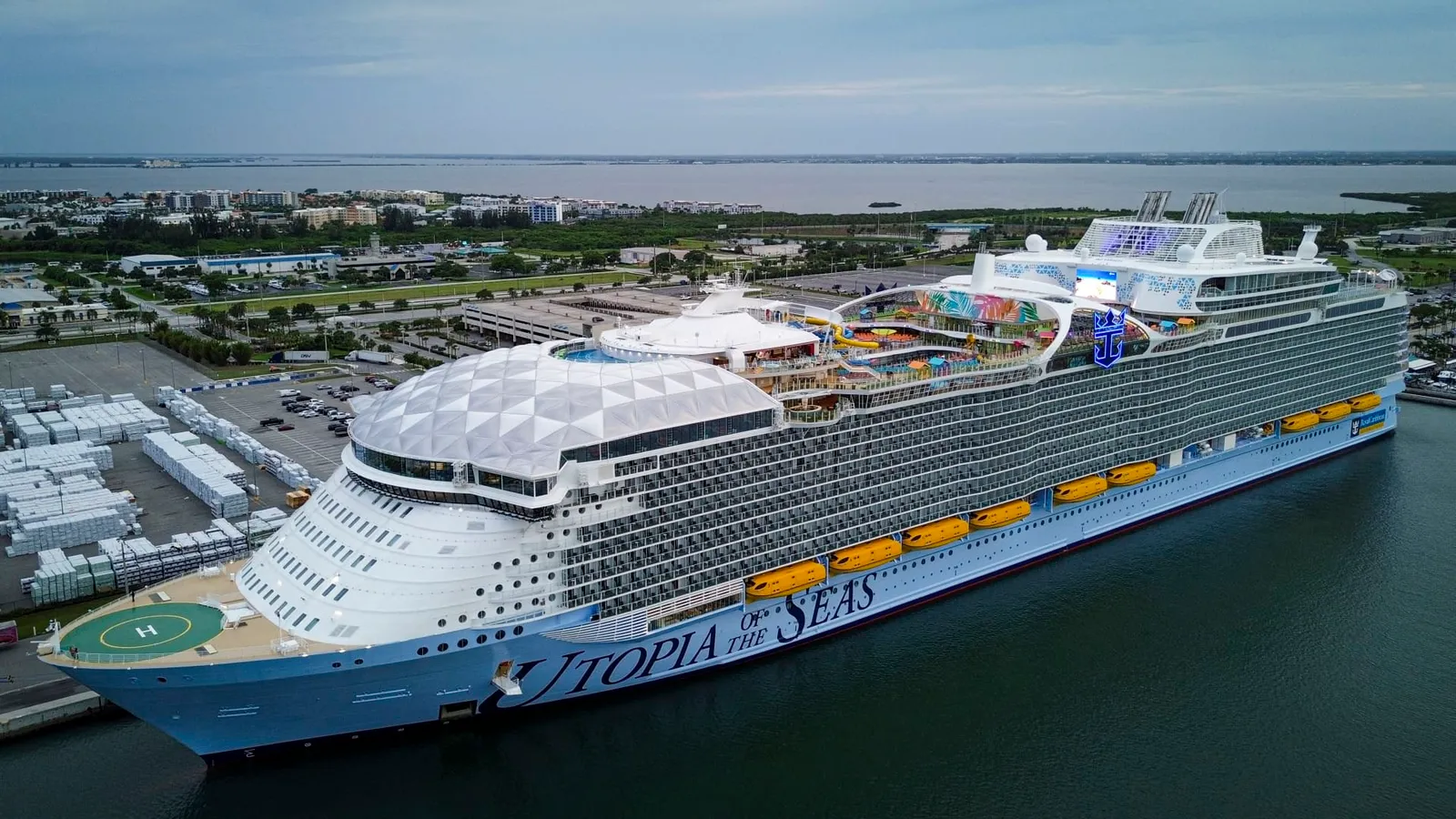
Royal Caribbean just spent $3B to own half of Sandals
The cruise giant is buying a 50% stake in the all-inclusive resort chain for $3 billion, a bet that land-based vacations are the next growth engine.

Paramount's Ellison: Merger Clearance Done, WBD Deal by Oct 1
David Ellison says the Paramount-WBD merger has full clearance after settling with state AGs, clearing the path for an October 1 close.
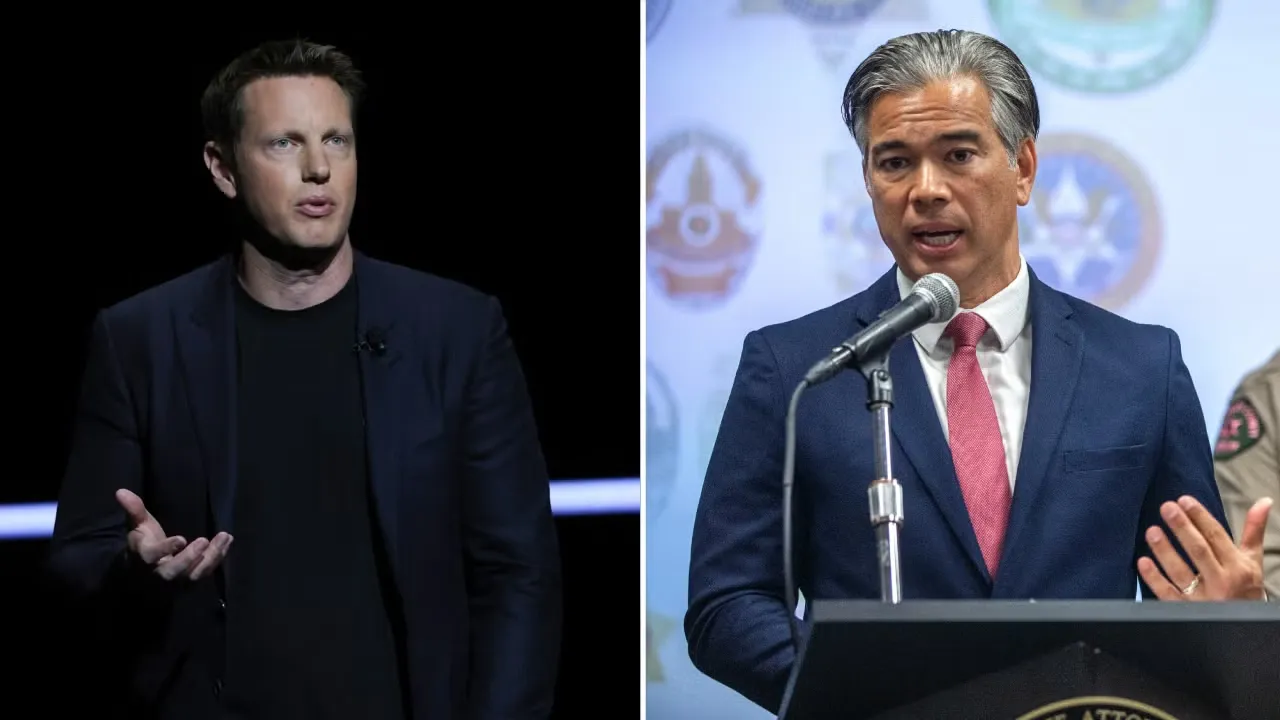
Paramount settles with 12 states, $110B Warner merger clears final hurdle
David Ellison's studio avoids a March trial and a $7M-a-day ticking fee by settling with state AGs over local job losses.