

China’s “digital kids” fuel 3D printer boom, turning hobby tech into a mainstream supply chain
What’s driving the surge: a new consumer cohort, shifting use cases, and the manufacturing rethink behind the craze.
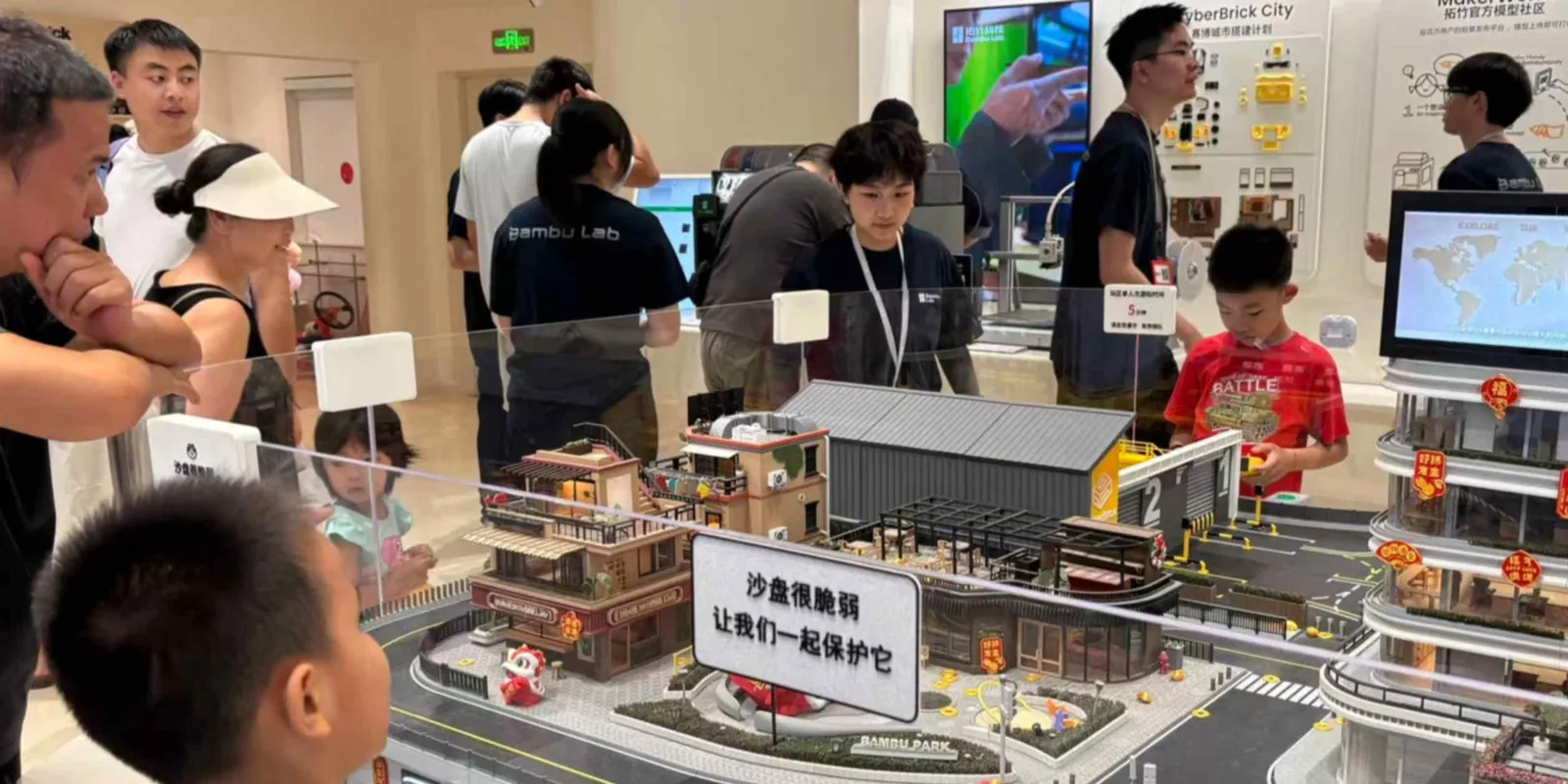
Nikkei Asia reports that China’s “digital kids” are driving surging popularity of 3D printers. For decision-makers, the shift matters because it changes demand patterns, hardware ecosystems, and where regulation and industrial policy may land next.
China’s so-called “digital kids” are pushing 3D printers out of maker basements and into a wider consumer spotlight, according to Nikkei Asia. The headline is not just about a trendy gadget. It is about how a new generation is turning “digital” curiosity into physical production, and how that can ripple through hardware demand, accessory markets, and even industrial expectations.
So what does the surge look like in real life? Nikkei Asia frames the trend as popularity accelerating among younger users, with the category benefiting from the same forces that have powered other consumer technology waves in China: accessible content, community learning, and easy entry into tinkering. As more young people experiment with designing and printing objects, 3D printers stop being an occasional experiment and start behaving more like a recurring product purchase. That is the first-order economic shift that executives should care about, because recurring use changes the shape of demand.
To understand why this matters beyond consumer enthusiasm, you have to zoom out one step. 3D printing is not a single market. It is a stack: the printer itself, consumables like printing materials, software and design workflows, maintenance, and the education or support ecosystem that helps newcomers avoid early mistakes. When a new audience arrives, they rarely adopt the full stack at once. They start with what is easiest, then expand once they get results that feel satisfying. That “first win” dynamic is how consumer tech usually graduates into a broader installed base, and 3D printing is no exception.
China’s policy and industrial landscape also helps explain why the category can scale quickly. The country has spent years encouraging digitization and manufacturing modernization, and 3D printing sits in that broad tent. Even when regulation is not specifically about 3D printers for consumers, adjacent rules and guidance can shape what kinds of materials are readily available, how products are sold, and how platforms present educational and technical content. In other words, the “digital kids” trend may look like lifestyle content, but it likely intersects with how industrial technology is supported and governed.
There is also a supply chain angle that decision-makers should not ignore. When demand moves from niche to mainstream, the winners are not just the most impressive printers. They are companies that can reliably source components, keep costs down, and ship in volume without quality drift. For executives, that means tighter scrutiny on manufacturing throughput, supplier stability, and inventory planning. If the installed base expands faster than the consumables ecosystem, customers get frustrated, returns rise, and the growth curve breaks. If the ecosystem expands too slowly, sales stall. The “digital kids” audience can accelerate both the opportunity and the downside because they adopt fast and abandon fast.
The second-order implications extend to software and content. Consumer 3D printing lives or dies on whether people can go from idea to object with minimal friction. That puts pressure on design tools, onboarding experiences, and community support. Platform strategies matter too, because learning flows through social channels and creator content. If the ecosystem becomes sticky for young users, it also creates a longer tail. Those users eventually translate into demand for more capable printers, more reliable materials, and more specialized applications, which can pull the industry toward higher performance and better user experience.
For boards and senior operators, the strategic stake is simple: if China’s younger cohort is normalizing physical fabrication at home, 3D printing may become an everyday category rather than an occasional niche. That can attract more competitors, increase price pressure, and shift regulatory attention. More importantly, it can change procurement assumptions for companies that used to think of 3D printing primarily as prototyping or industrial tooling. A consumer-led boom can graduate into an educational and light industrial workflow, and the companies that prepare early will have the advantage of scale, distribution, and ecosystem leverage.
This story's Key Insights and Take-aways are locked.
Create a free account to unlock Executive Actions for one credit.
Register to UnlockAlways free for Executives Club members. Join the Club
More in Business

SK Hynix opens at $170, raises $26.5B, and tops foreign IPO records
In Friday's Wall Street debut, SK Hynix turns AI RAM demand into a $26.5B fundraising moment that rewrites comps.

China lands a reusable Long March booster, a first that matches SpaceX and Blue Origin
A barge landing and net-based recovery move China from theory to proof, reshaping the reusability race and satellite ambitions.

AstraZeneca $27B wipeout as Wainua late trial misses cardiovascular target
A failed late-stage heart study triggered a swift market punishment, forcing investors and boards to reset timelines and risk.