
China's young shoppers spent $34.3M on Taobao's 'ugly' goods
Taobao's Uglies Award turned bizarre products into a 230 million yuan market, revealing how Gen Z buys identity, not just utility.
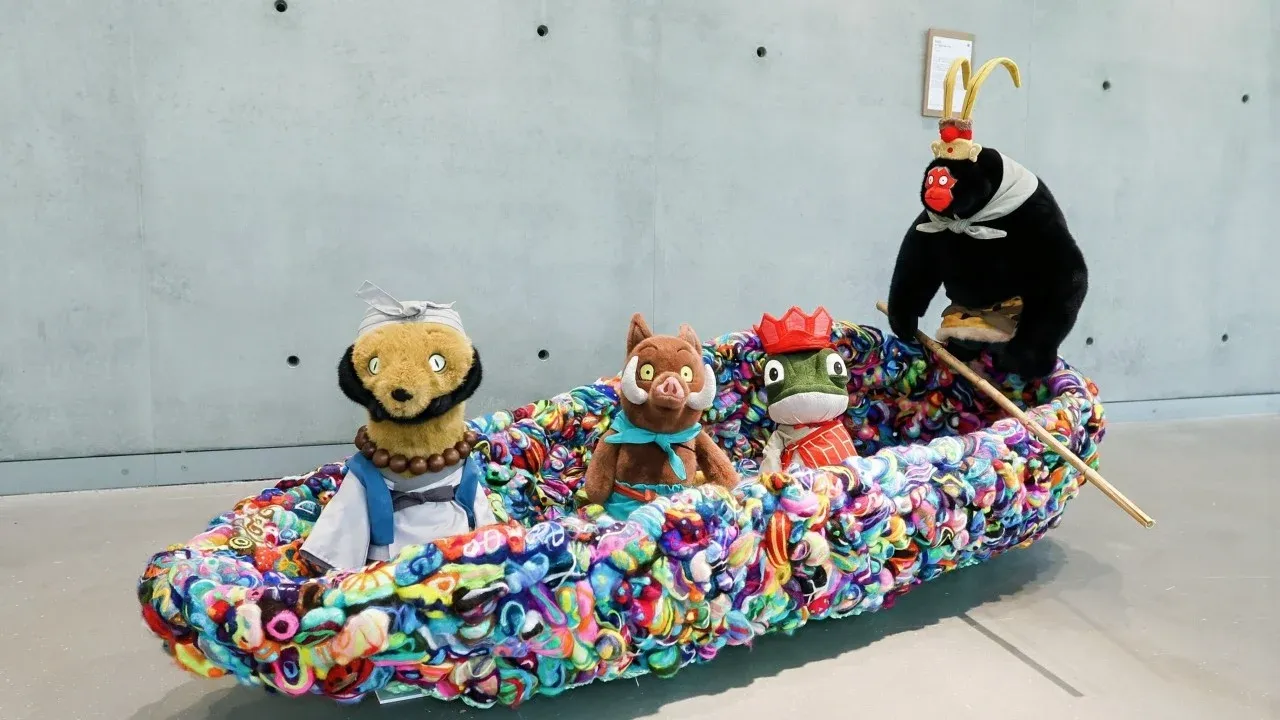
Taobao, Alibaba Group's e-commerce platform, said cumulative sales of 'ugly' products have surpassed 230 million yuan (US$34.3 million) since 2020, when it launched the Uglies Award. For consumer brands, the trend signals that young Chinese shoppers increasingly value humor, distinctiveness, and shareability over conventional aesthetics.
China's young consumers have spent more than 230 million yuan (US$34.3 million) on Taobao since 2020 buying products that are proudly, deliberately ugly. The milestone, announced by Alibaba Group's e-commerce platform, tracks sales of items celebrated through its Uglies Award, a program created to honor creatively unusual goods that would never pass a traditional design review. Taobao did not specify exactly what qualifies as ugly, but the category's commercial traction is now hard to ignore: millions of shoppers have turned quirky, bizarre, and aesthetically challenged products into a viral sales phenomenon.
The numbers only tell part of the story. The 230 million yuan figure is cumulative, meaning it has built steadily over roughly four years rather than arriving in a single spike. That longevity matters. It suggests the appetite for ugly goods is not a one-off internet gag but a durable consumer behavior, one that has grown alongside the broader rise of China's 'fun economy' - a term used to describe spending driven by entertainment, humor, and emotional resonance rather than pure function. For brands watching from the sidelines, the signal is clear: a product's perceived flaw can become its strongest selling point if it lands with the right audience.
Taobao's Uglies Award functions as both a marketing stunt and a curation engine. By celebrating products that mainstream retailers would reject, the platform gives small sellers and independent designers a stage to reach millions of young shoppers who are tired of cookie-cutter aesthetics. The award also generates organic social media buzz, as buyers share their finds across platforms like Xiaohongshu and Douyin, turning each purchase into a piece of user-generated content. In that sense, ugly goods are not just products; they are conversation starters, and the conversation is what drives repeat discovery.
The trend reflects a deeper shift in how China's Gen Z and young millennial consumers define value. For this cohort, shopping is increasingly a form of self-expression and entertainment. A product that makes them laugh, or that sparks a reaction from friends, carries social utility that a perfectly designed but forgettable item cannot match. This is consistent with the broader growth of 'emotional consumption' in China, where young buyers have shown they will pay a premium for experiences, novelty, and products that help them project a distinctive identity online. Ugly goods fit that framework perfectly: they are cheap, photogenic, and instantly memorable.
For consumer companies, the commercial logic of ugly is more nuanced than it appears. The category's success does not mean aesthetics no longer matter; it means the definition of good design is expanding to include character, humor, and imperfection. Brands that can embrace a degree of controlled weirdness - without losing quality or function - may find an opening to connect with younger shoppers who are skeptical of polished corporate marketing. The risk, of course, is that ugliness becomes just another trend, co-opted by big brands and stripped of the authenticity that made it appealing in the first place.
There is also a platform-level dynamic at work. Taobao's decision to institutionalize ugly goods through an award program is a strategic move to differentiate its marketplace from competitors like Pinduoduo and Douyin's e-commerce arm, which compete aggressively on price and algorithmic discovery. By positioning itself as a home for distinctive, quirky, and hard-to-find products, Taobao is trying to own a niche that cannot be replicated by simply matching prices. For Alibaba, the 230 million yuan figure is small relative to its overall GMV, but the cultural halo of the Uglies Award helps keep the platform relevant in the minds of young consumers who might otherwise drift to newer apps.
The second-order implications extend beyond e-commerce. The popularity of ugly goods in China mirrors similar trends in Western markets, where 'ugly produce' and imperfect products have found a following among sustainability-minded consumers. In China, however, the motivation is less about reducing waste and more about humor, individuality, and the joy of defying conventional taste. That distinction matters for global brands entering the Chinese market: a strategy that works in one cultural context may not translate directly, but the underlying insight - that young consumers crave distinctiveness and are willing to pay for it - appears to be universal.
For executives and founders watching this space, the lesson is not to rush out and make products ugly. It is to recognize that the attributes young consumers reward are shifting. Authenticity, humor, and the ability to generate a reaction are becoming competitive advantages, even in categories where polish once ruled. The brands that win will be those that understand the line between charmingly ugly and simply bad, and that can build the kind of community and conversation that Taobao's award has sparked. The 230 million yuan figure is a proof point, but the real story is the consumer mindset behind it - and that mindset is not going away.
This story's Key Insights and Take-aways are locked.
Create a free account to unlock Executive Actions for one credit.
Register to UnlockAlways free for Executives Club members. Join the Club
More in Business

Royal Caribbean just spent $3B to own half of Sandals
The cruise giant is buying a 50% stake in the all-inclusive resort chain for $3 billion, a bet that land-based vacations are the next growth engine.

Paramount's Ellison: Merger Clearance Done, WBD Deal by Oct 1
David Ellison says the Paramount-WBD merger has full clearance after settling with state AGs, clearing the path for an October 1 close.

Paramount settles with 12 states, $110B Warner merger clears final hurdle
David Ellison's studio avoids a March trial and a $7M-a-day ticking fee by settling with state AGs over local job losses.