

Chinese lab diamond profits triple in H1 as consumers shift from natural
One producer's earnings surge is forcing De Beers into a two-year Venetia suspension and a cost fight.
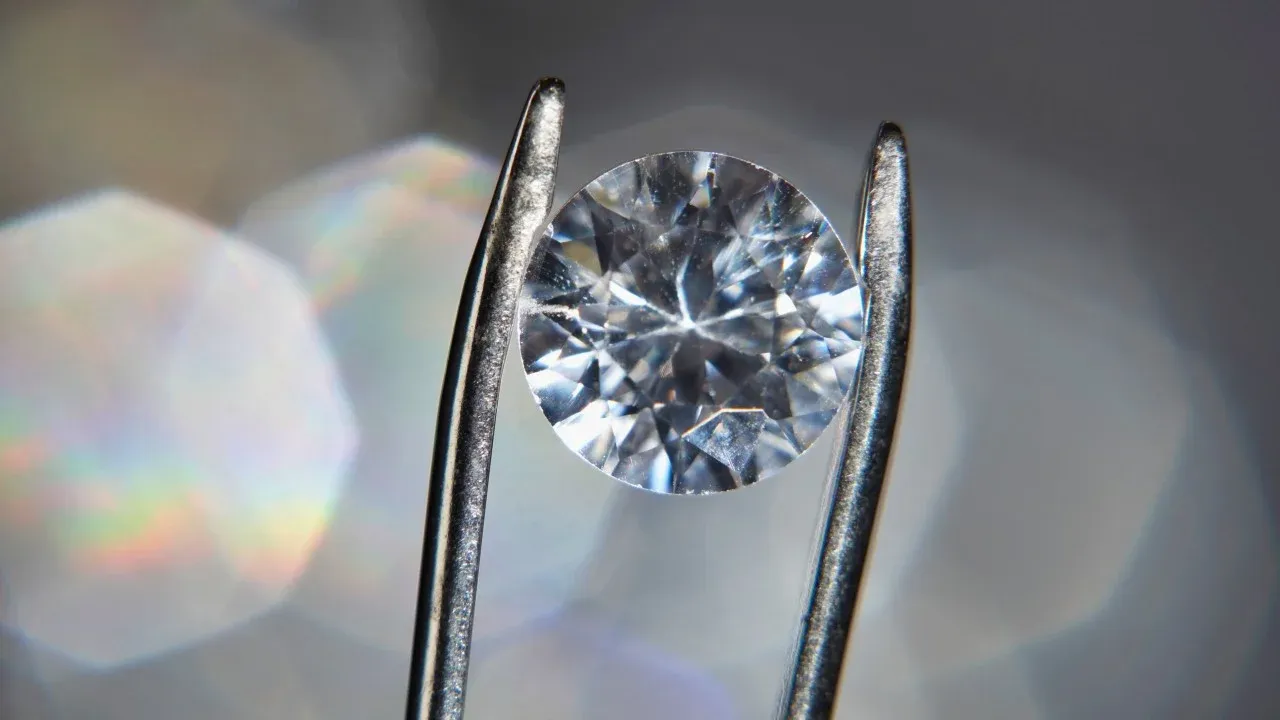
A Chinese lab-grown diamond producer reported profits tripling over the first half of the year as global consumers increasingly move toward cheaper artificial diamonds. The shift has pushed De Beers to suspend production at South Africa's largest diamond mine, Venetia, for two years as part of a cost-cutting drive.
A Chinese lab-grown diamond producer saw its profits triple over the first half of the year, according to SCMP Business, as more consumers around the world choose artificial stones over natural diamonds. The headline is simple, but the implication is loud: the market is re-rating what a “diamond” is worth, and that re-rating is showing up in real money, fast.
This profit surge is not happening in a vacuum. It is tied to a consumer pivot that has already forced De Beers to make a painful operational decision: suspending production at South Africa's largest diamond mine, Venetia, for two years. De Beers framed that suspension as part of a broader cost-cutting drive, warning it was confronting “protracted challenging conditions as the diamond industry evolves”. In other words, the lab-led demand shift is colliding with legacy supply and forcing incumbents to manage through a downturn.
To understand why this matters to executives, you have to look at how diamonds behave as an industry. Natural diamonds have traditionally depended on controlled supply, brand storytelling, and the premium of rarity. Lab-grown diamonds break the rarity story by offering a cheaper path to the same end product for many buyers. When consumer preference shifts from natural to artificial, it does not just change who is buying. It changes pricing expectations, inventory strategies, and the willingness of upstream players to keep large, high fixed-cost operations running.
So when a lab producer’s profits triple in just the first half, it signals something more structural than a temporary promo cycle. It suggests the unit economics of artificial stones are improving relative to their natural counterparts, either through manufacturing scale, pricing power, or both. Even if the exact mechanics differ by producer, the direction is clear from SCMP Business: the world is buying more man-made gems, and the natural market is absorbing that shock.
De Beers’ two-year Venetia suspension is the clearest evidence that the industry is in transition, not just experimentation. Venetia is described as South Africa’s largest diamond mine, which matters because it is the kind of asset that typically anchors cash flows and long-term planning. Suspending production does not just reduce output. It forces companies to confront fixed costs, labor and supplier relationships, and the downstream effects on polishing, distribution, and contract structures that assume steady volumes.
The quote De Beers used about “protracted challenging conditions as the diamond industry evolves” is also telling. It implies the company expects the environment to remain difficult for longer than a normal cyclical wobble. For decision-makers, that is a signal to model downside longer, not shorter. It also suggests the competitive pressure from lab-grown diamonds is not a fringe trend; it is altering the industry’s evolution schedule.
There is another second-order effect worth flagging: when incumbents respond with suspensions and cost cuts, it can reshape the competitive map even more. Cost discipline by a leader can stabilize demand at certain price points, but it also creates opportunities for faster-moving competitors to capture share and build customer relationships. Lab-grown producers that are winning customers while natural supply is being throttled can potentially lock in volumes that last beyond the initial shock, especially as buyers normalize the idea of artificial diamonds.
For boards and investors evaluating companies across consumer goods and industrial supply chains, the strategic stakes are straightforward. When profitability concentrates in one segment while others shed capacity, the winning segment often gains leverage. That leverage shows up in negotiations with distributors, retailers, and downstream partners, and it can also influence how capital is allocated across the value chain. If natural diamond producers are forced into longer challenge periods, management teams across the industry will be pressured to rethink forecasts, inventory risk, and how they define “premium.”
This story's Key Insights and Take-aways are locked.
Create a free account to unlock Executive Actions for one credit.
Register to UnlockAlways free for Executives Club members. Join the Club
More in Business

Epic and Google drop settlement bid, forcing rival Android app stores by July 22
Google told the court it is ready to carry third-party app stores starting Wednesday, July 22.

SK Hynix opens at $170, raises $26.5B, and tops foreign IPO records
In Friday's Wall Street debut, SK Hynix turns AI RAM demand into a $26.5B fundraising moment that rewrites comps.

China lands a reusable Long March booster, a first that matches SpaceX and Blue Origin
A barge landing and net-based recovery move China from theory to proof, reshaping the reusability race and satellite ambitions.