

Chip factory becomes the price of a US-Japan tariff truce
Tokyo and Washington are negotiating a semiconductor plant as a sweetener to resolve trade tensions. Here's what's at stake for supply chains and tech giants.
Japan and the United States are in talks to build a chip factory as part of a tariff deal, according to Nikkei Asia. The move could reshape semiconductor supply chains and give both governments a strategic win in trade negotiations.
According to Nikkei Asia, Japan and the United States are in talks to build a semiconductor factory as part of a tariff deal. This is a striking development: rather than simply haggling over tariffs, the two governments are considering a major industrial investment as a bargaining chip. The report does not specify the factory's location, size, or which companies would be involved, but the mere possibility signals a new era in trade negotiations where technology infrastructure becomes a tool of diplomacy.
For executives, this is a headline that demands attention. If the talks succeed, it would mark the first time a chip factory is explicitly tied to a tariff agreement between the two countries. It could also set a precedent for other trade deals, where governments use industrial projects to offset trade imbalances. The stakes are high: semiconductors are the backbone of modern electronics, from smartphones to cars, and both nations have a strategic interest in securing supply chains.
The context is important. Japan was once the world's leading chip producer, but lost ground to Taiwan and South Korea in the 1990s. Today, Japan still has strengths in materials and equipment, but its fabrication capacity is limited. The United States, meanwhile, has been pushing to bring chip manufacturing back home, with the CHIPS Act providing billions in subsidies. A joint factory could combine Japanese expertise with American market access, but the details are far from settled.
For companies in the tech and auto sectors, the implications are significant. A new chip factory in either country could ease supply chain bottlenecks that have plagued industries since the pandemic. It could also create new opportunities for Japanese equipment makers like Tokyo Electron and for US firms that supply materials. However, the talks are preliminary, and any factory would take years to build, so immediate impacts are unlikely.
The political dimension is equally important. Tariff deals are often about optics and domestic politics. For the US, a chip factory could be sold as a win for American manufacturing and national security. For Japan, it would demonstrate its commitment to the alliance and its technological relevance. But there are risks: the talks could collapse over disagreements on investment levels, technology transfer, or intellectual property.
This is not the first time the US has sought to tie trade to tech. The Trump administration used tariffs to pressure China on technology issues, and the Biden administration has continued export controls. But a chip factory as part of a tariff deal with an ally like Japan is a new twist. It suggests that the US is willing to use positive incentives, not just penalties, to secure its supply chain goals.
For CEOs and boards, the takeaway is that industrial policy is now a central part of trade negotiations. Companies should monitor these talks closely, as they could affect where they source chips and how they plan their own investments. If the factory is built, it could shift the competitive landscape, potentially benefiting firms that align with the new supply chain. Conversely, companies that rely on existing chip sources may need to adapt.
In the end, the talks are a reminder that the global chip industry is being reshaped by geopolitics. The outcome will depend on political will and commercial viability. For now, the only certainty is that semiconductors are no longer just a business issue - they are a strategic asset. Executives who ignore this trend do so at their own risk.
This story's Key Insights and Take-aways are locked.
Create a free account to unlock Executive Actions for one credit.
Register to UnlockAlways free for Executives Club members. Join the Club
More in Business
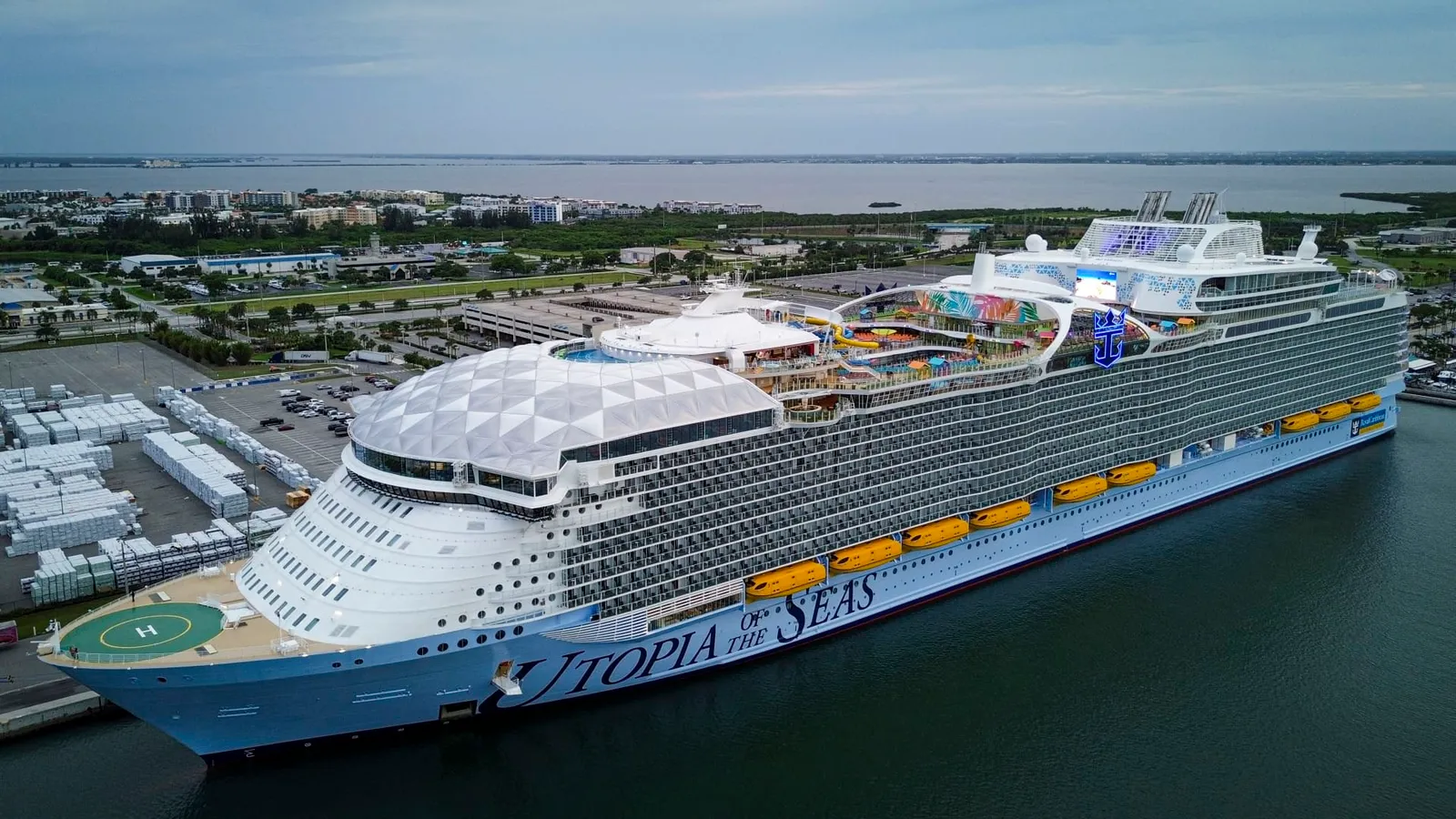
Royal Caribbean just spent $3B to own half of Sandals
The cruise giant is buying a 50% stake in the all-inclusive resort chain for $3 billion, a bet that land-based vacations are the next growth engine.

Paramount's Ellison: Merger Clearance Done, WBD Deal by Oct 1
David Ellison says the Paramount-WBD merger has full clearance after settling with state AGs, clearing the path for an October 1 close.
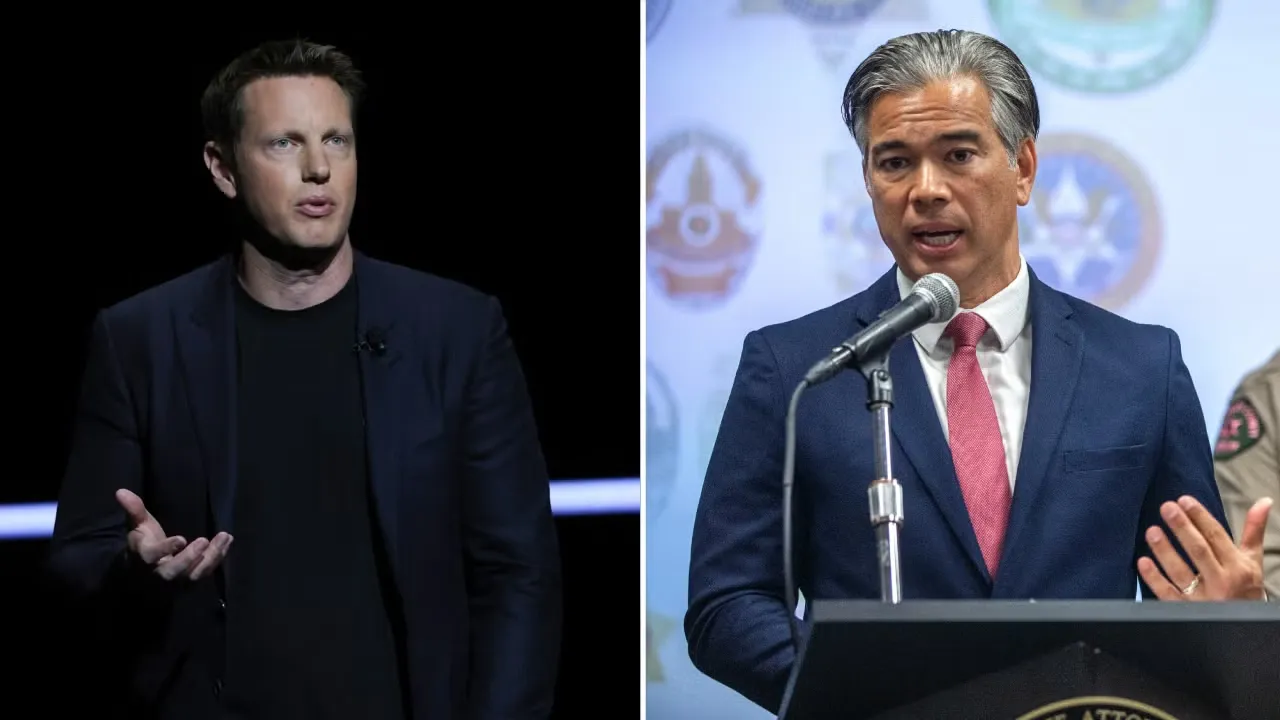
Paramount settles with 12 states, $110B Warner merger clears final hurdle
David Ellison's studio avoids a March trial and a $7M-a-day ticking fee by settling with state AGs over local job losses.