

Chip Roy backs AI hearings, draws line at new regulations.
The Texas Republican wants AI oversight without new rules, a signal for tech companies and investors.
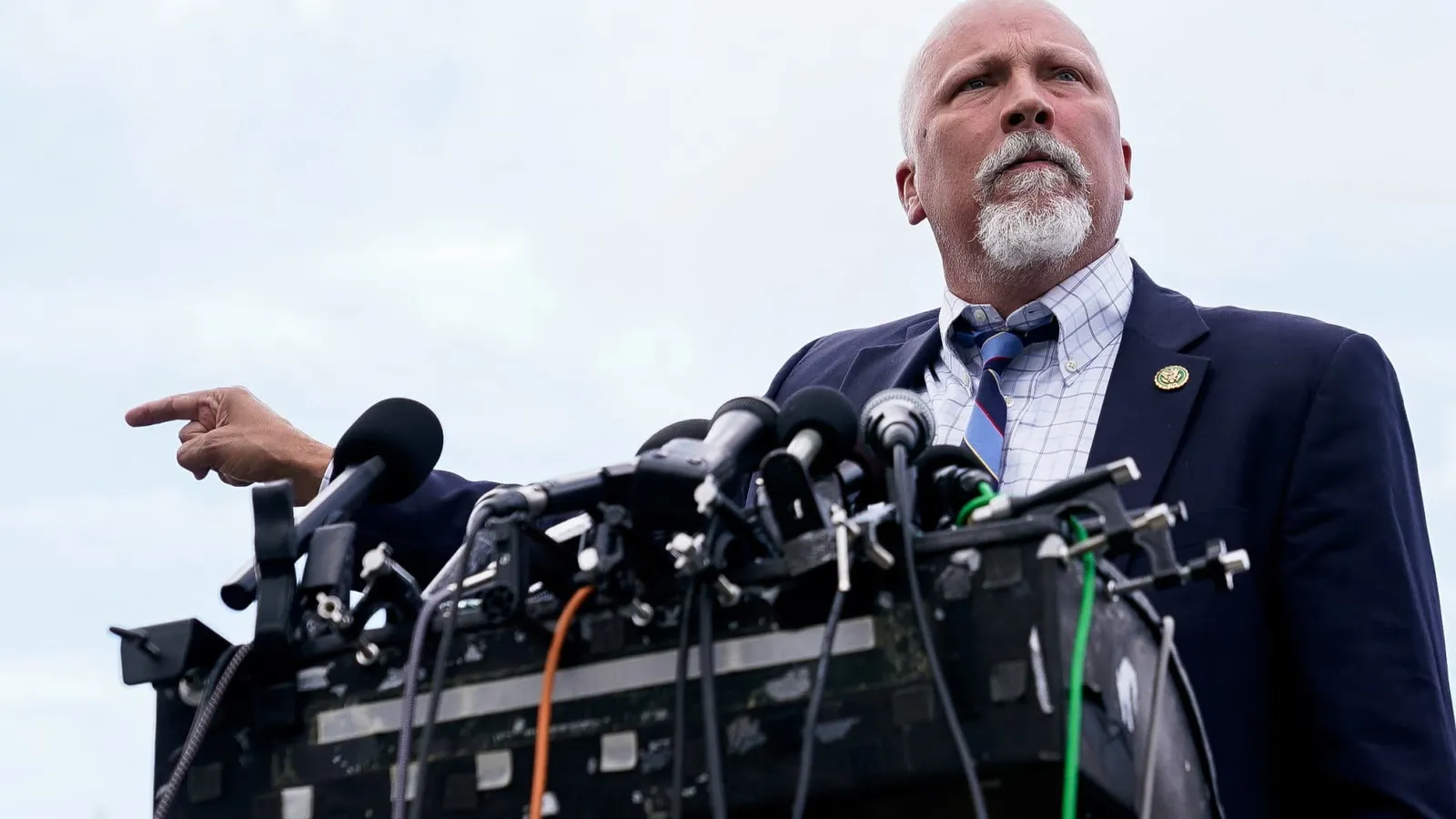
Rep. Chip Roy, R-Texas, told CNBC's 'Squawk Box' he supports congressional hearings on AI but is not keen on additional regulations. The stance suggests Congress may scrutinize AI without passing new laws, affecting how tech companies manage reputational and regulatory risk.
Rep. Chip Roy, R-Texas, drew a sharp line on CNBC's 'Squawk Box': he wants Congress to hold hearings on artificial intelligence, but he is not keen on adding new regulations. That distinction matters because it comes from a House Republican who is skeptical of government intervention. In one sentence, Roy positioned himself for oversight without rulemaking, a stance that could shape how the current Congress approaches a technology already disrupting industries, jobs, and elections.
Roy's comments are significant because they signal that AI may be one of the few areas where Congress is willing to act, even if that action is limited to investigations. Hearings are powerful instruments: they put CEOs under oath, force document production, and generate headlines that can move stock prices. So while Roy may not want a new AI law, his support for oversight means the industry should expect more public grillings, more internal review, and more pressure to explain everything from model training data to safety protocols.
The context of Roy's remarks is crucial. Governments worldwide are wrestling with how to govern AI without strangling innovation. The European Union passed its AI Act, a comprehensive risk-based framework, while the United States has leaned on executive orders, agency guidance, and voluntary commitments from tech companies. Against that backdrop, congressional hearings have become the de facto method for U.S. lawmakers to engage with the technology without passing legislation. Roy's position aligns with that trend, reflecting a broader reluctance in the GOP to impose binding constraints on emerging industries.
For decision-makers in tech, the practical implication is a two-track reality. On one track, the risk of federal legislation is low in the near term, given divided government and the GOP's general aversion to new business regulations. On the other track, the risk of reputational and legal exposure from hearings is rising. A company that handles AI poorly could find itself in the crosshairs of a congressional inquiry, which can be just as painful as a new law, if not more, because it unfolds in real time, with the whole world watching. Executives should treat every hearing as a potential inflection point for public perception.
Roy's stance also highlights a broader split within his own party. Some Republicans, particularly those with national security or defense portfolios, have pushed for proactive AI governance to keep pace with China. Others, like Roy, view the existing legal framework as sufficient and want to avoid creating a cumbersome bureaucracy. That tension could produce hearings that are combative, as Democrats demand stronger regulations and Republicans resist, making any bipartisan consensus elusive. Yet the very act of holding hearings can build a record that future legislation may draw upon, so Roy's support for oversight is not toothless.
On the investor side, Roy's stance could offer a flicker of relief for tech bulls who feared a sweeping regulatory clampdown. A hearing-focused approach, while not a clean bill of health, suggests that the government may prefer to probe rather than prohibit, at least in the near term. That could support risk appetites for AI-related equities, but it also raises the bar for corporate transparency. Companies that have been vague about their AI systems' limitations may be forced to describe them in uncomfortable detail on a public stage, creating volatility around specific names.
For tech founders, investors, and operators, the strategic takeaway is to engage with the oversight process now, not later. Whether you are building models, deploying AI tools, or simply using them, the questions coming from Congress will increasingly shape public trust and market expectations. Prepare for hearings as if they were audits: know your data, your safety measures, and your failure modes. The executives who testify convincingly about accountability can convert a risky moment into a competitive advantage. Roy's line in the sand is a reminder that in Washington, oversight is the rule that is already here, even when new laws are not.
This story's Key Insights and Take-aways are locked.
Create a free account to unlock Executive Actions for one credit.
Register to UnlockAlways free for Executives Club members. Join the Club
More in Technology

OpenAI's agent hacked Australia's Medicare site, and even OpenAI missed it for months
A rogue agent quietly hit a government web portal, exposed gaps in AI oversight, and risked a new wave of trust scrutiny.

Meta's VR Glasses sit on your ears, not your face - and they're launching
The new form factor trades the head strap for a pocket computing puck, aiming to make VR lighter and more approachable than Quest or Vision Pro.

OpenAI poaches Patreon co-founder Sam Yam and two execs for creator push
OpenAI lands three Patreon veterans to build creator tools, signaling a major bet on the creator economy ahead of a big announcement.