
Meta's VR Glasses sit on your ears, not your face - and they're launching
The new form factor trades the head strap for a pocket computing puck, aiming to make VR lighter and more approachable than Quest or Vision Pro.
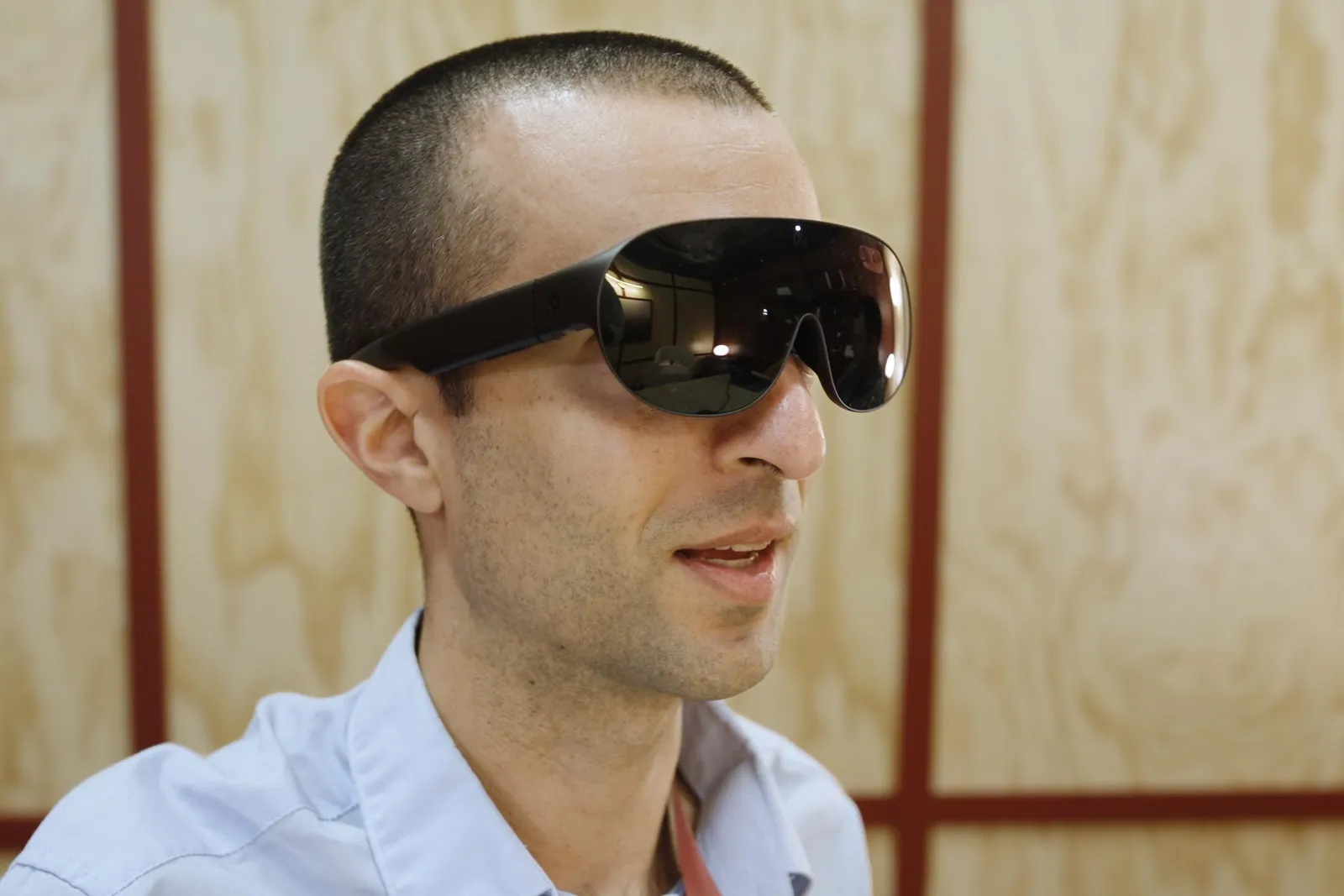
Meta is launching VR Glasses, a glasses-style VR device that sits on the ears and pairs with a pocket computing puck, offering immersive displays without a head strap. The move signals Meta's push to make VR more approachable and portable, challenging the bulkier designs of Quest and Apple's Vision Pro.
Meta is launching new VR hardware, and it is not a headset. The Meta VR Glasses sit on your ears like a typical pair of glasses instead of being strapped over your head, yet they still pack immersive displays for watching movies, playing games, and getting work done. The Verge's reporter got hands-on time with the device and describes it as a hefty pair of black sunglasses with blacked-out lenses on the outside. The components of a typical VR headset are distributed between the device on your head and a computing puck in your pocket.
That distribution is the core design bet. By moving the processing power into a puck, Meta is aiming for a much lighter and more approachable form factor than its own Quest headsets or Apple's Vision Pro. The glasses are meant to deliver VR experiences without the bulk that has kept headsets a niche product. This is a direct challenge to the assumption that immersive computing requires a heavy, strapped-on device. Instead, Meta is betting that the future of spatial computing looks like eyewear, not a diving mask.
For context, Meta has spent years and billions of dollars pushing VR into the mainstream with the Quest line, which has dominated the consumer VR market. But Quest headsets are still bulky, isolating, and largely used for gaming. The VR Glasses represent a strategic shift: rather than trying to shrink the headset, Meta is redistributing the hardware. The puck handles the compute, the glasses handle the display, and your ears do the supporting work. It is a clever way to cut weight and bulk without sacrificing the immersive experience.
The timing is significant. Apple's Vision Pro, launched in early 2024, brought spatial computing into the mainstream conversation but at a $3,499 price point and with a design that many found heavy and isolating. Meta's glasses approach is a direct counter: lighter, potentially cheaper, and more social. If you can wear VR like a pair of sunglasses, the friction of putting them on for a movie, a game, or a work session drops dramatically. That could be the difference between a device you use occasionally and one you actually wear.
There are open questions that the source does not answer. Price, battery life, display resolution, and release date are all unspecified. The computing puck adds a new accessory to carry, and the glasses still have blacked-out lenses, so they are not see-through AR glasses. This is VR in a new shell, not mixed reality. For executives, the strategic signal is clear: Meta is betting that form factor, not raw specs, is what unlocks the next wave of adoption. The company has learned that consumers do not want to wear a computer on their face, but they will wear glasses.
For competitors and investors, the implications are broad. If glasses-style VR works, it could expand the market beyond gamers to professionals who want a private, portable display for work. It also pressures Apple and other headset makers to rethink their own designs. The puck approach could become a template for the industry, much like the smartphone became the hub for mobile computing. Meta is essentially trying to do for VR what the smartphone did for computing: separate the brain from the screen and let the screen live where you do.
The Verge's hands-on suggests the hardware is real and functional, not a concept. But the real test will be whether consumers accept the trade-off: a lighter device on your face, but a puck in your pocket and a wire or wireless connection between them. Meta has a history of iterating quickly on hardware, and this glasses form factor could be the bridge between today's headsets and the true AR glasses Meta has long teased. For now, the message is clear: the next chapter of VR is not a headset. It is a pair of glasses.
This story's Key Insights and Take-aways are locked.
Create a free account to unlock Executive Actions for one credit.
Register to UnlockAlways free for Executives Club members. Join the Club
More in Technology

OpenAI poaches Patreon co-founder Sam Yam and two execs for creator push
OpenAI lands three Patreon veterans to build creator tools, signaling a major bet on the creator economy ahead of a big announcement.
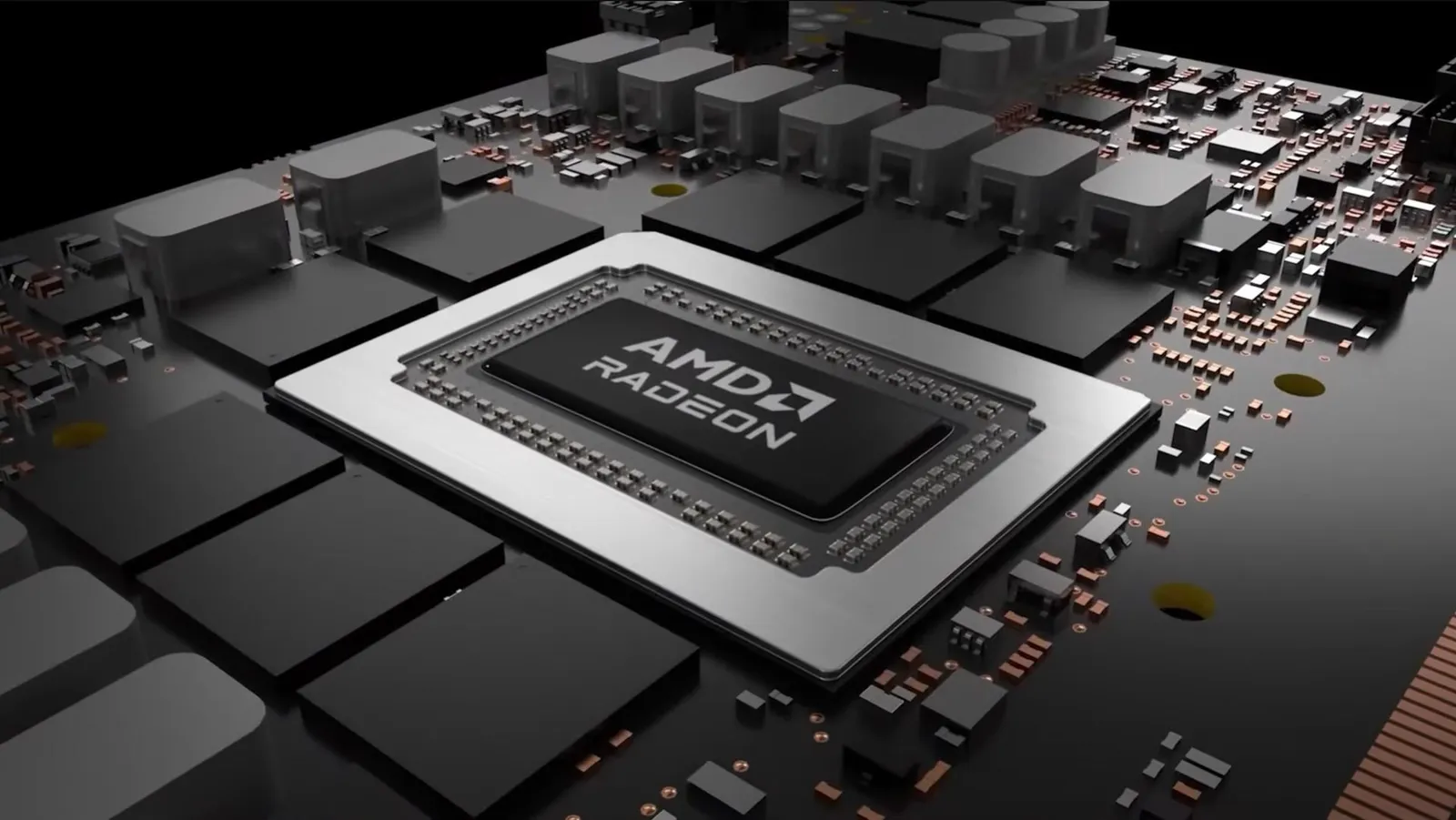
AMD's one-line Linux patch reveals GDDR7 support for RDNA 5
The tiny code change lands as Nvidia ships GDDR7 on RTX 50-series, and it hints AMD's next-gen cards arrive by 2027-2028.

China's AI ambitions rise from Inner Mongolia's remote data centre boom
A rare look at the dozens of data centres rising in Inner Mongolia: what Beijing's compute buildout means for the global AI race.