
Christopher Nolan told Ryan Coogler Imax for Sinners “wasn’t crazy” before filming
The Imax advocate’s reassurance highlights why premium formats are becoming a competitive filmmaking and awards play.
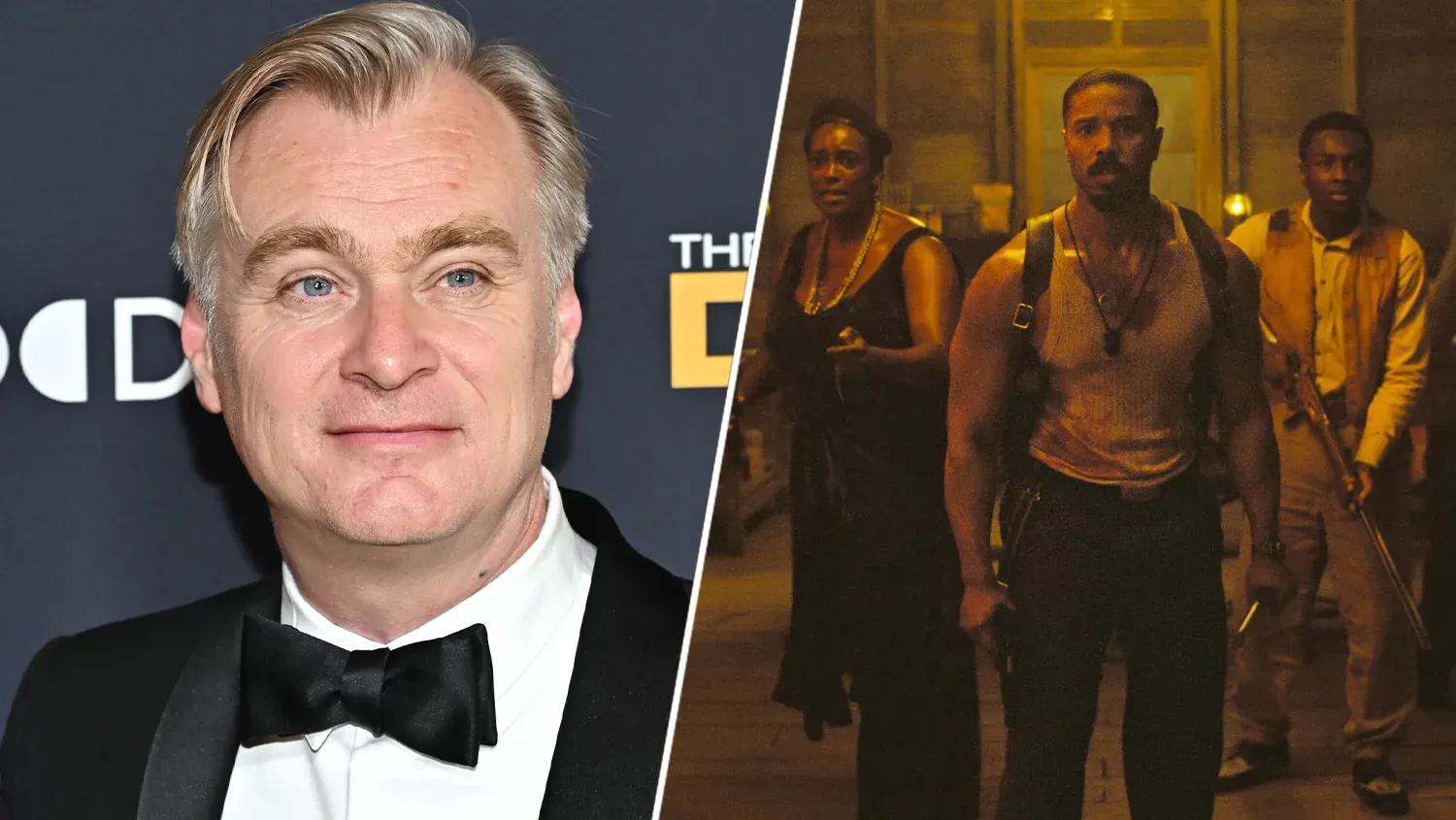
Christopher Nolan recalled introducing Ryan Coogler to Imax and assuring him it “wasn’t crazy” to film Coogler’s 2025 movie Sinners. That decision helped earn Autumn Durald Arkapaw the Academy Award for Best Cinematography, with Nolan noting Coogler called him before committing to Imax.
Christopher Nolan, long one of Imax’s most vocal champions, says Ryan Coogler called him before committing to the premium format for Sinners, and Nolan reassured him it “wasn’t crazy.” This is the kind of small-sounding moment that turns into big industry gravity once the awards season starts rolling, and in Sinners’ case it did. The film won Best Cinematography for Autumn Durald Arkapaw at the Academy Awards, a detail that retroactively validates Nolan’s earlier pitch to Coogler.
Nolan’s memory matters because Imax is not just “a camera choice.” It is a production and distribution signal with real costs, constraints, and coordination requirements across the filmmaking chain. When Nolan tells the story of Coogler calling him first, the implication is that the decision was not an afterthought. It was a deliberate commitment made after a direct conversation with someone who has spent years pushing high-resolution image capture into mainstream blockbuster expectations.
If you zoom out from Sinners, the picture looks like an arms race for image credibility. Studios and directors want the visuals that read as premium in theaters, especially as audiences have become harder to impress through the small-screen noise of streaming. In that environment, an Imax workflow can function like a differentiator. It promises clarity, scale, and impact, but it also requires teams to plan for it early, because the production path has to support the capture and the intended exhibition.
And that early planning is where the Nolan-Coogler anecdote becomes more than trivia. Nolan’s position as both filmmaker and Imax advocate gives the story an internal credibility loop. If someone of his stature is telling another top-tier director it “wasn’t crazy,” that reduces perceived risk for the creative decision-maker who may be weighing format costs, scheduling, and technical overhead against artistic upside.
From a governance and decision-making standpoint, think of it as a classic pre-commitment conversation that heads off later conflict. Major-format productions tend to generate friction because different stakeholders optimize for different things: directors chase the look; cinematographers chase the capture pipeline; producers think about budgets and timelines; and distributors think about how the product will land in premium screens. Nolan’s claim that Coogler called him before he committed suggests that one potential point of friction got addressed in advance, when it still could be managed with conversation instead of course-correction.
Now add the awards layer. Sinners’ Best Cinematography win gives the Imax bet a public, external validation mechanism. Awards are not regulators, but they do operate like market signals with measurable downstream effects. When the craft recognition lands, it can influence future negotiations, commissions, and studio willingness to invest in premium production paths. That can include directors considering premium capture as a default option rather than an exception, and cinematographers treating high-resolution workflows as a competitive baseline.
There is also a broader cultural implication for the executives who fund and greenlight these projects. Premium formats increasingly behave like brand assets. They tell the market the filmmakers intend the experience to be more than “content,” more than a streaming package. For decision-makers, the strategic question becomes whether to treat premium format adoption as a tactical one-off or as a repeatable capability that production teams can execute at speed without quality tradeoffs.
The second-order impact is that premium format conversations are shifting earlier in the development process. The Nolan quote is basically a timeline marker: Coogler called before he committed, not after. If that pattern spreads, boards and studio executives will increasingly ask about image pipeline readiness alongside casting and script polish. For peers, the lesson is clear: the formats you choose can shape both the creative process and the eventual proof points you get in the public arena.
In other words, this story is not just about Nolan being Nolan. It is about how confidence can move a high-stakes decision from doubt to commitment, and how a commitment can show up later as an award win tied directly to the craft of cinematography. When the format decision is made early, it can become a competitive advantage that plays out across screens, conversations, and credit lines.
This story's Key Insights and Take-aways are locked.
Create a free account to unlock Executive Actions for one credit.
Register to UnlockAlways free for Executives Club members. Join the Club
More in Entertainment

Russell Brand's accuser 'bewildered and confused' as he denies 7 sex charges
The criminal case against the comedian is a live test of how media companies manage talent risk when serious allegations go public.

'It's a Magic Trick': Ballet Experts Say Rosalía's SNL Pose Is Impossible
Three ballet experts tell Rolling Stone Rosalía's gravity-defying SNL stillness shouldn't be possible - and why the debate is now part of the show.

Activision CMO: GTA 6 Will Boost Call of Duty, Not Bury It
Activision's top marketer says Rockstar's blockbuster will drive players back to consoles and into Modern Warfare 4, even as the company admits its recent strategy failed.