
Clacton by-election ballot lists 34 candidates, nearly a metre long in history
A record-length candidate list turns a routine election into a logistics and messaging test for campaigns.

In the Clacton by-election, BBC News reports a list of 34 candidates, making the ballot paper nearly a metre long. For political decision-makers, it raises practical friction in voter navigation and campaign strategy, right down to who gets seen.
The Clacton by-election ballot paper is reportedly nearly a metre long because 34 candidates are standing. That is not a decorative trivia fact. It is a scale problem, a clarity problem, and a campaign execution problem, all packed into one unusually long piece of paper.
In other words: when voters open their ballot and see that list, they are not just choosing a representative. They are also processing an information-dense menu, and the layout matters. A ballot paper of that length signals a crowded contest in Clacton, which can change how people make choices in the booth and how campaigns fight for attention in the final stretch.
Why does this matter to executives and decision-makers, not just political junkies? Because elections are, in many ways, behavior systems. Voters respond to friction, and friction has winners and losers. The longer the candidate list, the more it can reward the campaigns that are easiest to understand quickly. It can also punish those that rely on longer explanations that only work if voters take time to read them.
This kind of ballot crowding also changes the incentives for the candidates themselves. In a race with 34 names, the common assumption that “better organization wins” gets more complicated. The campaign strategy shifts from persuasion alone to discoverability. Think of it like a product launch in a marketplace with dozens of SKUs on the shelf. The challenge is not only convincing someone you are the right fit, it is making sure they do not miss you before they decide.
There is also a logistics and compliance layer. While the BBC’s report focuses on the candidate count and the physical length, the underlying reality is that election administration must handle ballot printing and distribution for a very crowded ballot. That increases operational complexity for the officials running the poll, and it tends to amplify scrutiny around accuracy and accessibility. When ballot papers get physically long, small errors become more consequential, and clarity in the printing process becomes even more important.
For parties and campaign teams, crowded ballots can also intensify strategic messaging choices. With 34 candidates, voters may feel overwhelmed or default to shortcuts: name recognition, party familiarity, or endorsements. Campaigns that understand how voters typically scan information can emphasize fewer, sharper identifiers. Campaigns that try to communicate too many points at once risk being lost in the noise. The contest becomes less about one message and more about repeat exposure across channels that voters actually use.
The broader second-order implication is that a “nearly a metre long” ballot can distort normal communication rhythms. In tighter races, campaigns may assume that persuasion can carry the day because the voter pool can focus on a smaller set of options. In a crowded race, the field itself becomes part of the message environment. Decision-makers then have to plan for audience dispersion, attention fragmentation, and the reality that voters may not experience the same level of deliberation they would in a shorter list.
So what should leaders in other campaigns, political orgs, or adjacent decision environments take from this? The Clacton by-election shows how structural factors can override individual brilliance. When there are 34 candidates, the system forces everyone into the same arena of attention and navigability. That means strategy is not just what you say. It is how easily someone can find you, understand you, and act under time pressure. In a contest where the list itself is nearly a metre long, campaign performance becomes a test of execution speed and cognitive clarity, not just ideology.
This story's Key Insights and Take-aways are locked.
Create a free account to unlock Executive Actions for one credit.
Register to UnlockAlways free for Executives Club members. Join the Club
More in Politics
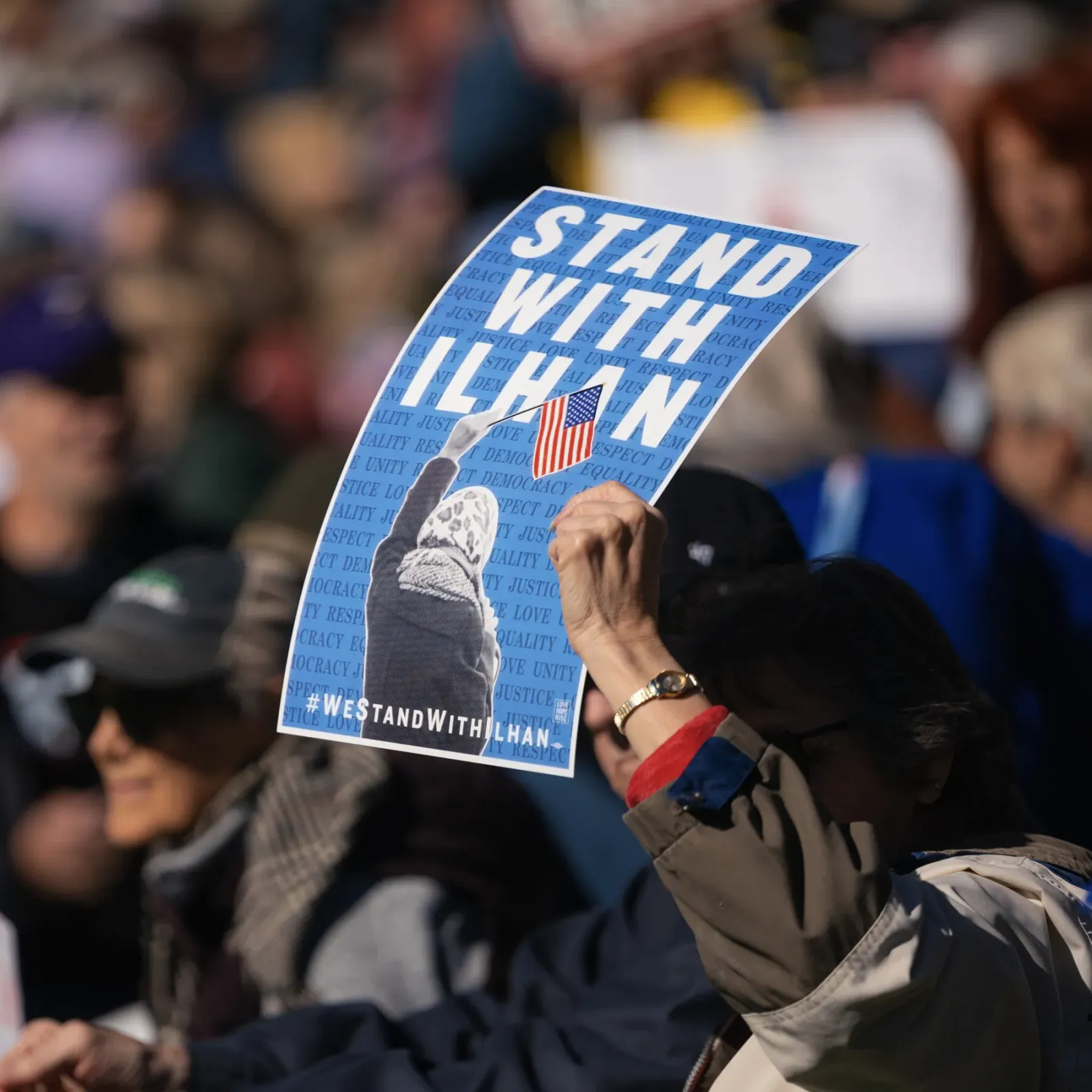
Obama Defends Ilhan Omar After Agents Search Her Home in Trump Inquiry
The former president's intervention raises the stakes in a federal probe into immigration paperwork that has put a prominent progressive lawmaker in the crosshairs.

Blair-era minister: cut welfare to fund youth job support
Alan Milburn's call for welfare cuts to fund employment support opens a Labour fight over benefits and the Neet crisis.
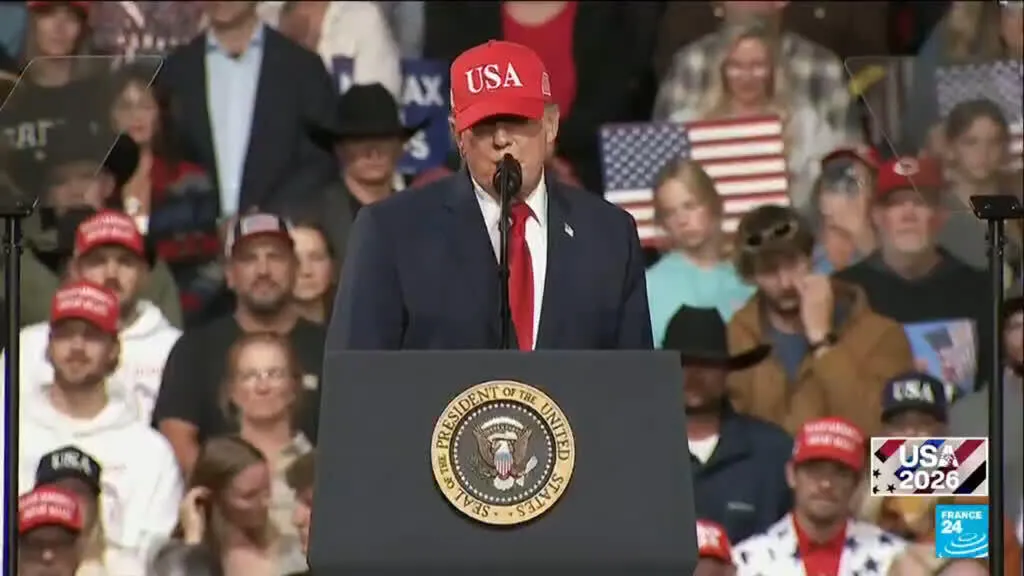
Hot September CPI: energy costs surge, voters feel the squeeze before midterms
The latest inflation print lands as Trump campaigns for GOP control of Congress, putting cost-of-living worries at the center of the midterm fight.