

Clayface gets a new look before his live-action DCU origin story lands
A Batman deep cut is stepping into the spotlight, and the tease matters because the DCU plans to time it carefully.
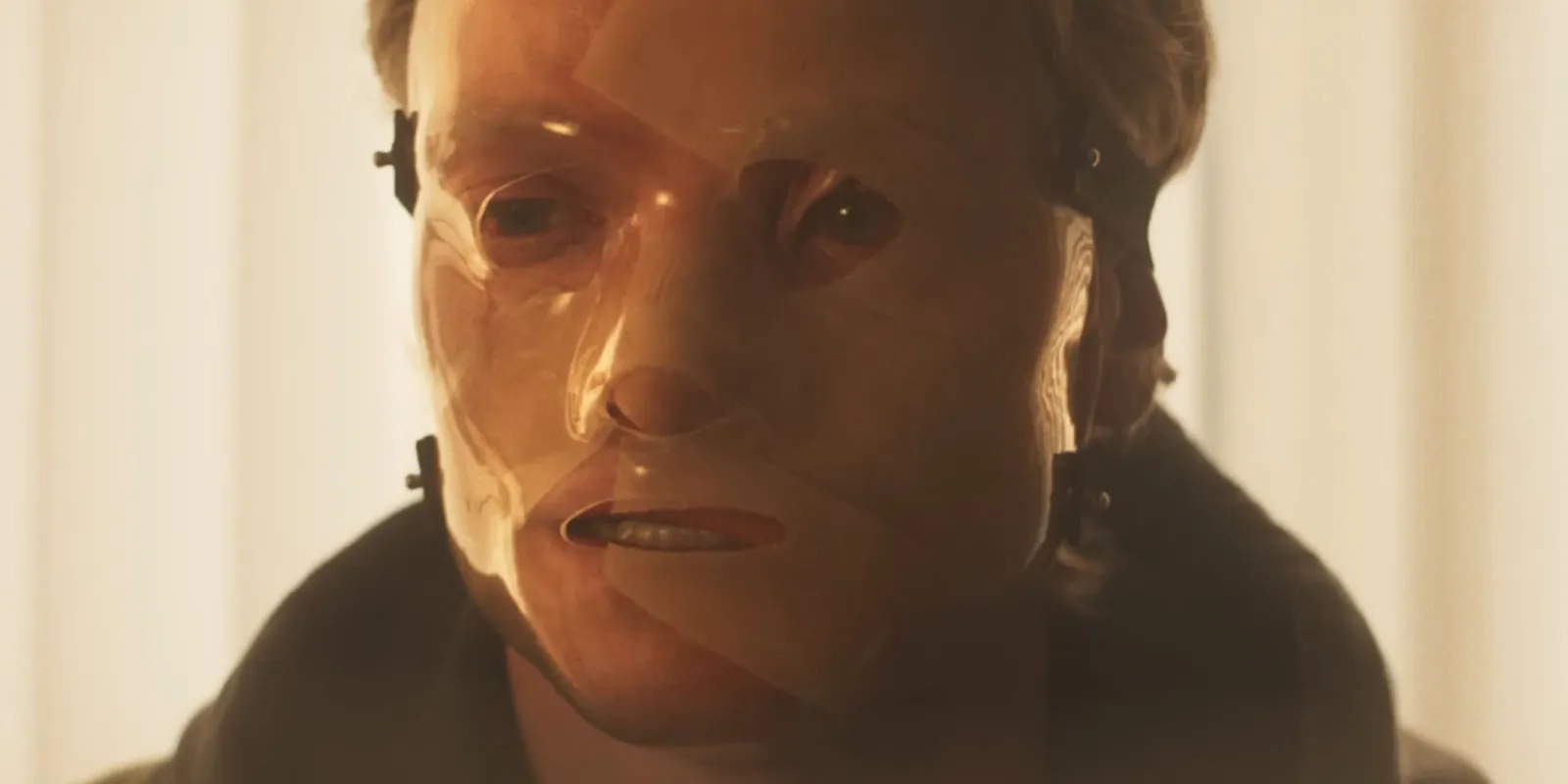
Clayface is receiving a brand-new appearance that will tide fans over until his villain debut with an origin story in the DC Cinematic Universe. For decision-makers, it signals how the DCU is staging franchise attention around characters, not just plot points.
Don’t let the fact that Clayface is getting a movie fool you, because whether he matters in the DC Cinematic Universe is still anyone’s guess. Even though Clayface has been around for ages in DC and Batman mythology, this sudden attention on a lesser-known Batman villain is what makes the move unpredictable. The character’s new visibility raises the practical question executives in entertainment always face: is this “fan service,” franchise scaffolding, or a genuine pivot in how the studio plans to build momentum?
The specific tease is simple but consequential: Clayface has a brand-new appearance, and it will tide fans over until the villain makes his live-action debut with an origin story in the DCU. In other words, the studio is separating “look” from “story.” That is a classic sequencing play in franchise strategy. You generate chatter with a visual update now, then you pay it off later when the character’s origin is actually on-screen. The gap between those moments is where planning, marketing alignment, and creative risk all show up.
Zoom out to why this matters. Clayface is a long-standing figure in Batman lore, but it is still plausible that, in the broader public consciousness, he functions as a lesser-known Batman villain. That creates an incentive mismatch the industry regularly deals with: studios want to keep a franchise feeling fresh, but they also need to avoid betting the farm on characters the mainstream has not already emotionally invested in. So you stage the introduction. You give the audience an updated mental image first, then you introduce the narrative logic later.
For executives, the real “second-order” implication is how timing can change perceived importance. A character debut with an origin story tends to lock in what the audience believes the character is “about,” including what tone he brings, how he relates to the hero ecosystem, and what kind of stakes the universe assigns to him. But a brand-new appearance without the origin can do something else: it can become a placeholder for anticipation. It can pull fans forward, even if the role in the universe is not yet fully defined.
There is also a structural incentive embedded in this approach. In a cinematic universe, not every installment can be a character origin and not every origin has to happen immediately for every character. By holding Clayface’s live-action debut and origin story for later, the DCU can allocate narrative oxygen where it wants maximum payoff, while still seeding future plot threads. That is how franchise builders reduce the risk of narrative bottlenecks. You keep characters “in orbit” even when the current storyline does not allow them to fully land.
Regulatory background might not sound relevant to a Batman villain reveal, but it matters in the practical sense of how studios operate. Large movie releases live inside content frameworks, rating considerations, and distribution constraints that can influence creative choices like violence levels, character portrayal, and thematic clarity. Even without any specific regulatory action mentioned here, the point is that studios typically cannot treat these decisions as purely artistic. When Clayface is being staged for a specific moment in live-action, appearance design and character framing usually have to be consistent with what the universe expects audiences to understand quickly. That is exactly why a “new look” used as a bridge can be powerful. It gives the audience instant recognition, then the origin story can do the deeper work later.
Finally, the strategic stakes are not only for DC. Other studios and partners watch how cinematic universes handle character depth. When a franchise surfaces a lesser-known villain early, it tests a model: can you expand the character universe without losing the core audience? If the tease builds enough interest, the later origin story can convert attention into commitment. If it fails, the studio risks showing its hand too early. That is why the move is described as wildly unpredictable: Clayface could become a significant part of the DCU, or he could remain a supporting thread, even with a movie on the calendar.
So the briefing to take away is straightforward. Clayface is getting a brand-new appearance now, and the payoff is postponed until his live-action debut with an origin story in the DCU. If you are running a board, approving a slate, or funding creative, this is the kind of sequencing decision you should read carefully. In cinematic universes, the audience does not just track what happens. They track when it happens, how it is framed, and what the tease implies about what the studio will prioritize next.
This story's Key Insights and Take-aways are locked.
Create a free account to unlock Executive Actions for one credit.
Register to UnlockAlways free for Executives Club members. Join the Club
More in Entertainment

12TB Steam 'teraleak' goes beyond Valve: GTA 3, Mafia 2 prototypes exposed
A 12-terabyte dump of Steam data reveals prototypes and builds of third-party classics like GTA 3 and Mafia 2, plus unreleased Valve content, rewriting game history.

LinkedIn's romance problem: 1 in 4 workers say dating on it is fair game
A new survey shows a quarter of U.S. employees treat the professional network as fair game for romance, even as LinkedIn bans it and removes hundreds of thousands of offending posts.

Enhypen's first No. 1 album breaks K-pop's Billboard 200 streak
The K-pop group's 98,000-unit debut tops the chart while Dolly Parton's catalog reentry shows how death reshapes streaming.