

Climate adaptation lag could reshape U.S.-China competition, not just emissions
Extreme weather costs will decide who competes on resilience, infrastructure, and risk management first.

Foreign Affairs frames extreme weather as a force that will upend U.S.-China competition by raising the cost of falling behind on climate adaptation. For decision-makers, the competition is no longer only about emissions policy, but about who can maintain systems and supply chains as conditions worsen.
Extreme weather is turning climate adaptation into an economic battleground, and Foreign Affairs argues it will upend U.S.-China competition. The core idea is blunt: the cost of falling behind on adaptation will show up in real operations. It will hit infrastructure availability, labor productivity, and the reliability of logistics, and those operational shocks do not care what your latest slide deck says about long-term decarbonization.
In other words, the competition is shifting from plans to performance. If one country adapts faster, it can keep industries running through heat, floods, storms, and other disruptions, while the other experiences more downtime, higher insurance and remediation costs, and more frequent disruptions to supply. Foreign Affairs’ warning is not just that extreme weather is bad. It is that adaptation speed will become a comparative advantage with strategic and industrial implications.
To understand why this matters, zoom out to how global competition actually plays out. In modern economies, competitiveness is less about who makes the most announcements and more about who can sustain output when the environment turns hostile. When storms damage ports, heat stress affects power grids and workplaces, or flooding disrupts roads and rail, companies can lose weeks of production and customers can lose access to goods. Governments then face political pressure because the disruption feels immediate, not theoretical.
That is where the U.S.-China framing becomes interesting. Both countries have massive industrial bases and supply-chain ecosystems. When extreme weather increases, the operational resilience of those ecosystems becomes a competitive variable. Adaptation spending can be viewed as cost, but in competitive terms it becomes risk reduction. The “cost of falling behind” described by Foreign Affairs is essentially the price of being slower to harden systems, redesign vulnerable infrastructure, and build the capacity to respond to disasters. That price does not remain confined to local impacts. It can propagate through trade, investment sentiment, and the perceived reliability of manufacturing and delivery.
There is also a regulatory and planning angle. Climate adaptation often sits at the intersection of public policy and capital allocation, involving permitting, standards, procurement, and cross-agency coordination. In many settings, the hard part is not finding consensus that adaptation matters. The hard part is executing projects on the right timeline, with the right funding, and with enough durability to withstand worsening extremes. If regulations and standards encourage resilience upgrades, firms can plan investments with more certainty. If standards lag, uncertainty rises, and companies delay or overpay for emergency fixes.
Now connect that to China and the United States as systems. Both have the ability to mobilize resources, but they differ in how quickly public and private actors move from assessment to implementation. Foreign Affairs’ point implies that whoever can close the adaptation gap faster will be better positioned across multiple dimensions: continuity of economic activity, resilience of critical infrastructure, and the ability to attract and retain capital in the face of climate-linked disruptions.
This also creates second-order pressure for boards and executives. If your competitors maintain higher output during extreme events, you can see market share shifts even when your product is unchanged. If your supply chain is more brittle, you may pay more for redundancy, insurance, and repairs. Those are not just line items. They can reshape margins, cash flow timing, and your capacity to fund growth. Over time, resilience can become a financing differentiator, because investors and lenders tend to reward predictability.
The strategic stakes for decision-makers are therefore bigger than sustainability messaging. Foreign Affairs is essentially flagging a competitive reckoning driven by weather realities: adaptation determines who can keep systems functioning, and that shapes economic power. If you are running a company or a government agency that depends on infrastructure, manufacturing, logistics, energy, or housing, the question shifts from whether extreme weather is increasing to how quickly you can adapt without getting dragged into reactive spending after each disruption. In a world where extreme weather escalates, the country that pays attention to adaptation first can turn resilience into leverage, and the country that falls behind pays in lost continuity, higher costs, and reduced competitive flexibility.
This story's Key Insights and Take-aways are locked.
Create a free account to unlock Executive Actions for one credit.
Register to UnlockAlways free for Executives Club members. Join the Club
More in Politics
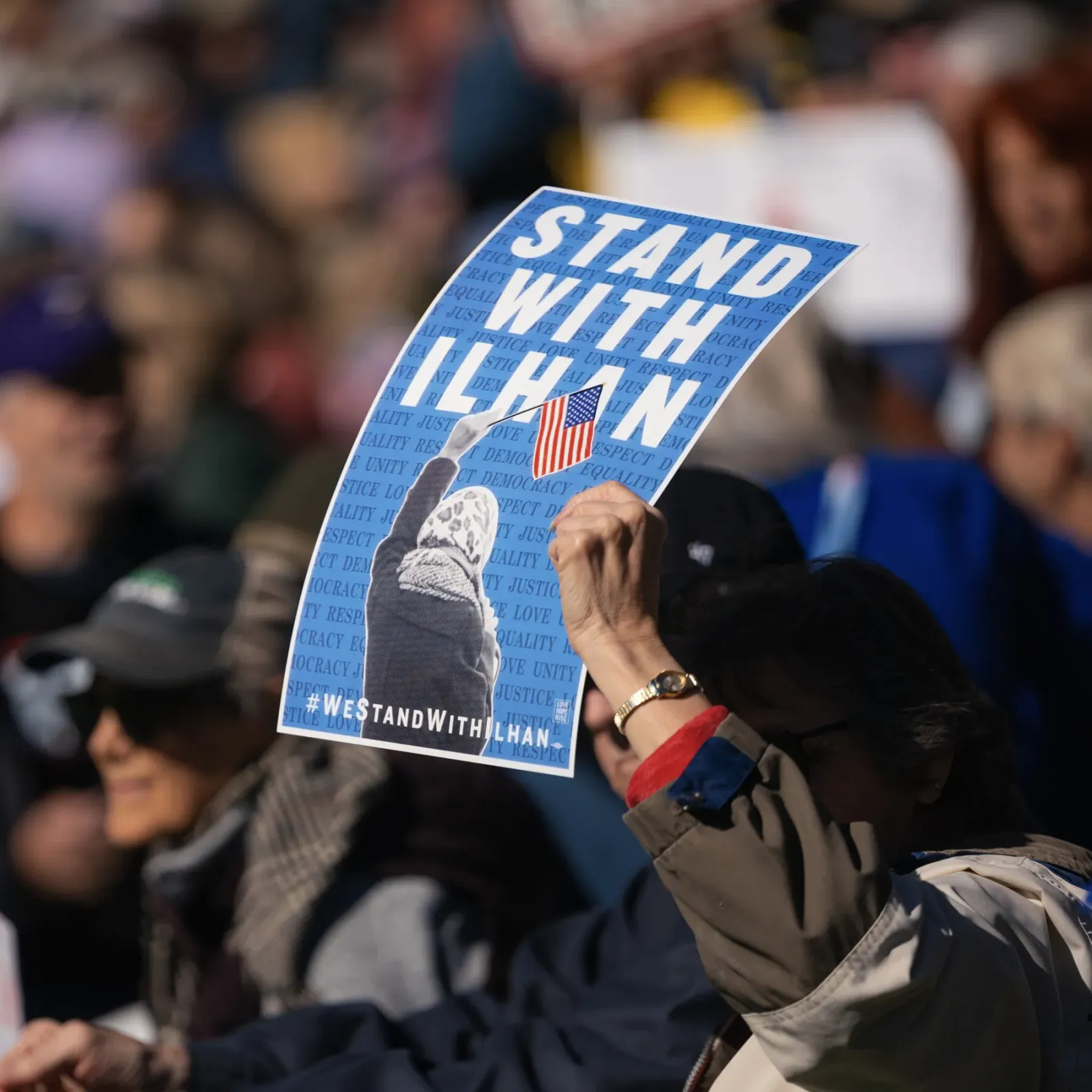
Obama Defends Ilhan Omar After Agents Search Her Home in Trump Inquiry
The former president's intervention raises the stakes in a federal probe into immigration paperwork that has put a prominent progressive lawmaker in the crosshairs.

Blair-era minister: cut welfare to fund youth job support
Alan Milburn's call for welfare cuts to fund employment support opens a Labour fight over benefits and the Neet crisis.
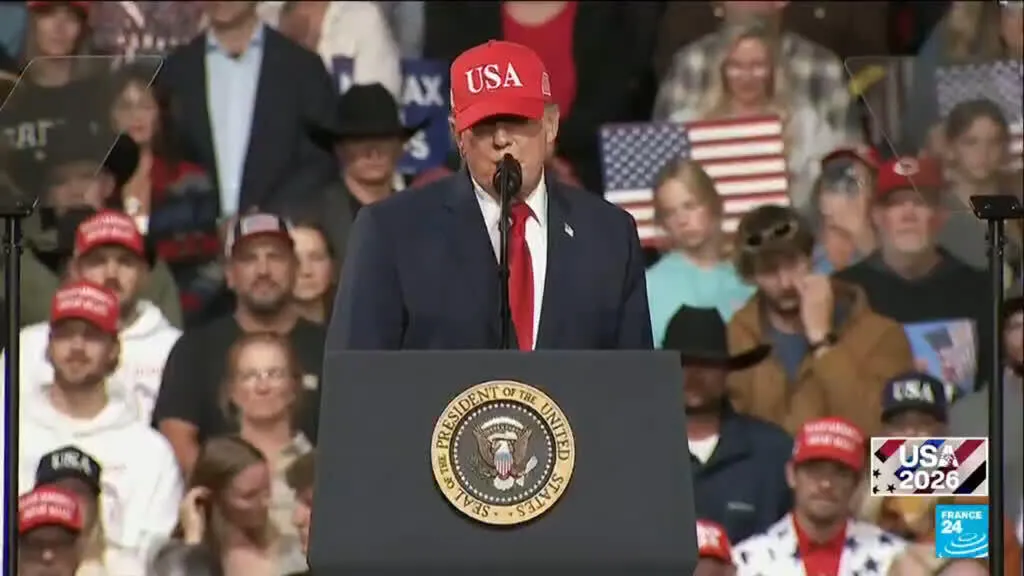
Hot September CPI: energy costs surge, voters feel the squeeze before midterms
The latest inflation print lands as Trump campaigns for GOP control of Congress, putting cost-of-living worries at the center of the midterm fight.