

Trump pushes tariffs again after legal defeats, sparking GOP unease
Despite losing court fights, the administration moves forward, leaving Republicans to manage the political and market fallout.

The Trump administration is moving ahead with imposing tariffs as an economic cudgel around the world, even after losing several legal battles. That creates immediate pressure for GOP leaders and markets to price in a new round of uncertainty and costs.
The Trump administration is moving full steam ahead on imposing tariffs, even after losing several legal battles. In other words: the courts have delivered setbacks, but the policy machine keeps rolling. The political message is clear, and it lands with extra force inside the GOP, where unease is rising.
For decision-makers, the key issue is not the symbolism. It is the gap between legal outcome and real-world implementation. When a government loses legal fights and still pushes forward, it signals that the tariff strategy is being treated as a durable tool, not a temporary bet. That matters for anyone running supply chains, pricing goods, investing in capacity, or managing cross-border revenue, because the plan can outlast the process.
Tariffs are not just a line item. They are a tax on trade flows that can redirect sourcing, reshape contracts, and force companies to renegotiate costs with customers and suppliers. Even when the underlying legal questions remain in motion, companies still have to make operating decisions now. That is why tariff threats can create “pre-enforcement” behavior, where firms adjust inventory, shift procurement, or hedge against margin compression before any final settlement arrives.
There is also the regulatory reality: trade policy sits in a web of statutes, agency authority, and court review. When the administration loses “several legal battles,” it tells you that at least part of its approach has faced meaningful scrutiny. But the phrase “reignites tariff war” suggests the government is not taking those losses as a stop sign. Instead, it is treating them as obstacles to be managed while continuing to use tariffs as leverage.
That creates a distinctive kind of board-level risk. It is not only about whether tariffs will happen. It is about how stable the policy is likely to be, and how fast it can change again. When legal losses do not slow implementation, executives have to plan for higher volatility in input costs and demand patterns. Pricing strategy becomes more complex. Procurement teams may face pressure to diversify suppliers, while finance leaders may need to revisit assumptions about pass-through rates and working capital.
The GOP unease matters because it can affect the next moves in Congress and the policy timeline. Political parties care about momentum, and tariff fights tend to turn into cultural and economic lightning rods quickly. If Republicans are jittery, that can translate into louder internal debates, more scrutiny on costs to specific constituencies, and potentially shifts in how leaders talk about trade. Even without a change in policy direction, the political atmosphere can change how markets interpret the likelihood of escalation or retreat.
On top of all that, tariff wars usually have second-order effects that are easy to underestimate. When countries anticipate retaliatory measures, the entire trading ecosystem responds. Foreign suppliers may demand different terms, exporters may seek different buyers, and logistics networks may re-route to reduce exposure. That can raise administrative overhead for compliance teams and create friction in contract execution, especially for firms that rely on global manufacturing networks and just-in-time delivery.
Finally, there is the meta-stake for executives: this is a signal about how this administration intends to use economic tools against the outside world. Legal defeat does not end the strategy. It is still being deployed “full steam ahead,” which suggests a long-running posture rather than a quick fix. For other leaders in similarly exposed sectors, the takeaway is simple and urgent. Plan as if tariffs remain, and plan as if legal timelines will not provide relief on schedule.
This story's Key Insights and Take-aways are locked.
Create a free account to unlock Executive Actions for one credit.
Register to UnlockAlways free for Executives Club members. Join the Club
More in Politics
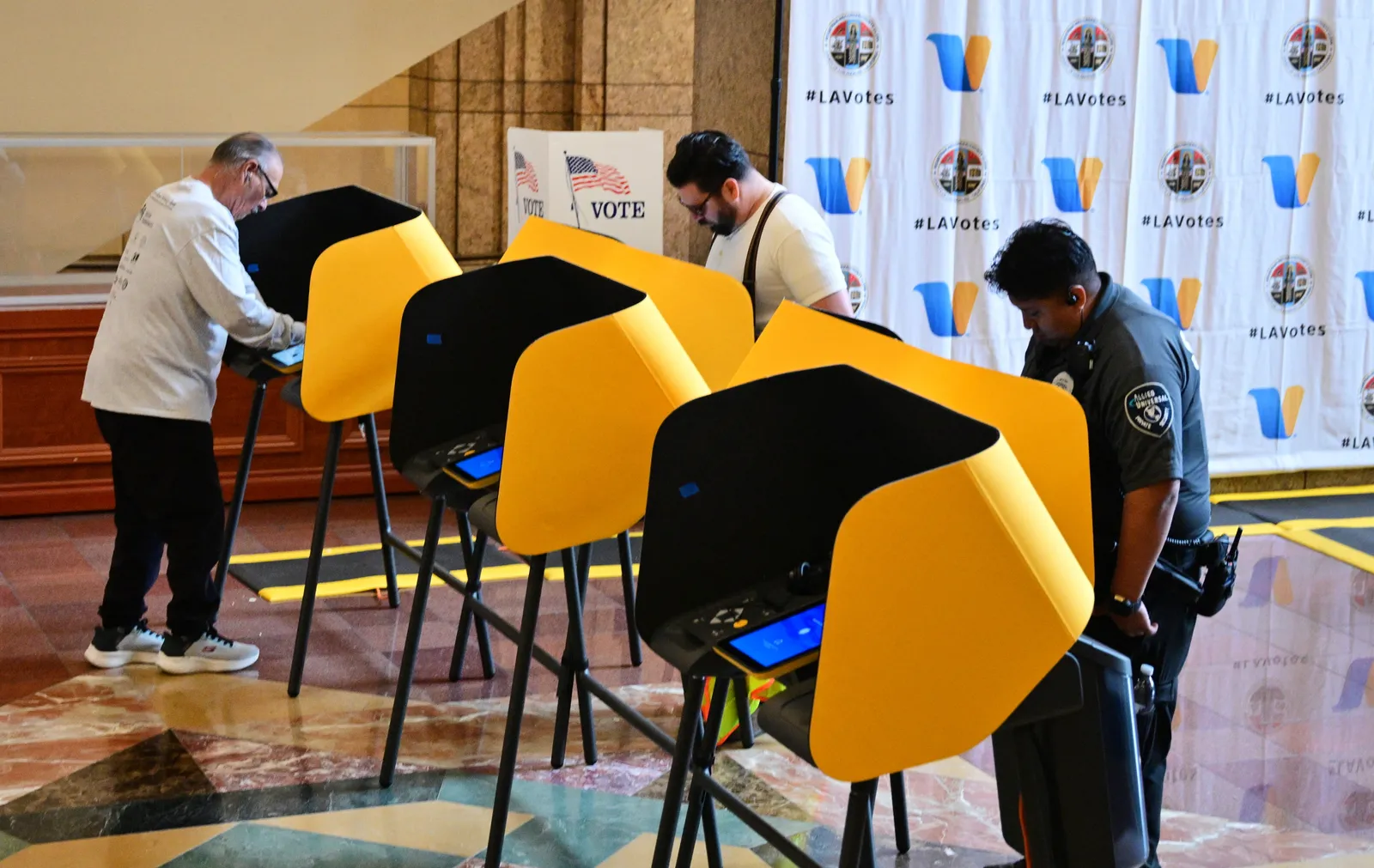
LA County: DOJ's 20,000 'noncitizen' voter list is 'unreliable,' includes U.S.-born
Preliminary review by Los Angeles County election officials finds errors in the federal list, raising the stakes for voter roll integrity ahead of November.
Trump's $1.5B Pentagon chip investment lands in North Carolina
A $1.5 billion defense infusion for North Carolina chipmaking signals a new era of Pentagon-backed reshoring - here's what it means for the industry.

Nigeria confirms first Ebola case in Abuja, a woman just off a Uganda flight
Health Minister Muhammad Ali Pate says the patient flew in from Uganda, putting Africa's latest outbreak on Nigeria's doorstep.