
Clint Reilly, strategist for Pelosi and Feinstein, dies at 79 after San Francisco gambles
His volatile consulting, mayoral run, and purchase of The San Francisco Examiner shaped California politics and local media dynamics.
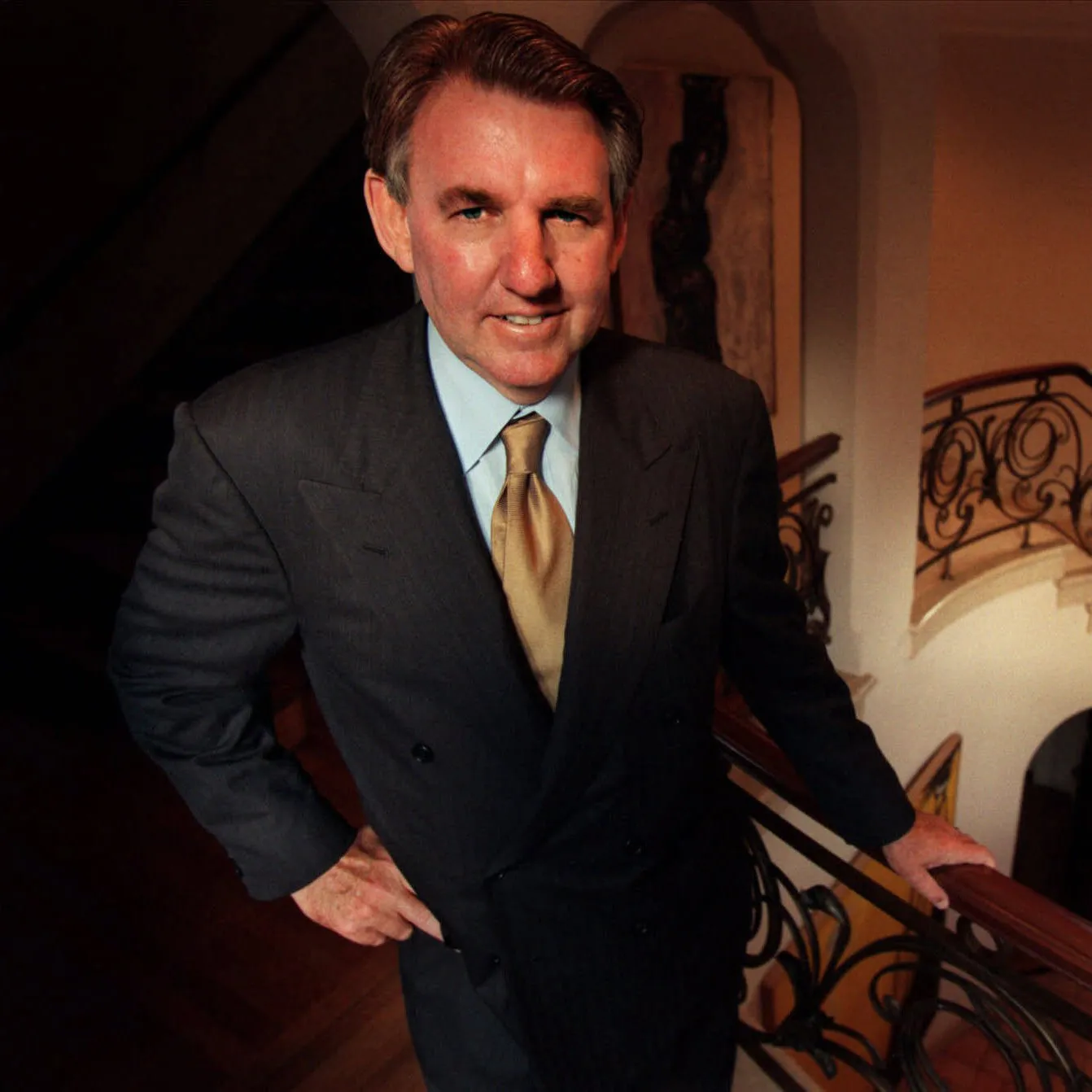
Clint Reilly, a political consultant known for volatile feuds, advised Nancy Pelosi and Dianne Feinstein. He also ran for mayor of San Francisco and bought The San Francisco Examiner before his death at 79.
Clint Reilly, the political consultant known for feuding as much as advising, has died at 79. He advised Nancy Pelosi and Dianne Feinstein, while also taking swings outside pure consulting: he ran for mayor of San Francisco and bought The San Francisco Examiner. His career is a quick case study in how politics, media ownership, and personal style can intertwine, often with consequences that outlive any one campaign.
Reilly's résumé spans three different power centers. First was the policy and political influence side, where advising top elected figures like Nancy Pelosi and Dianne Feinstein puts you in the room where messaging, coalition strategy, and legislative timing get hammered out. Second was electoral ambition, through his run for mayor of San Francisco, which is a different kind of pressure cooker. And third was local media ownership, when he bought The San Francisco Examiner, a move that connects narrative control and operational decisions to political outcomes.
For decision-makers, the interesting part is not just that Reilly was “as savvy as he could be volatile.” It is that his pattern treated politics and media as mutually reinforcing levers. In many local markets, media is not just a platform. It is infrastructure for attention, credibility, and agenda setting. When someone buys an outlet like The San Francisco Examiner, the incentives shift from “report the story” to “shape the environment in which stories become political.” That does not require a sinister plot to be consequential. It can be as simple as who gets coverage, how aggressively campaigns are scrutinized, what gets framed as a crisis, and what is allowed to fade.
At the same time, advising heavyweight legislators like Pelosi and Feinstein is its own kind of ecosystem. Senior political figures do not rely only on ideology. They rely on operational competence: what voters respond to, which narratives travel, how opponents will attack, and when to pivot. A consultant who is both skilled and volatile can create real upside. In the best version, they bring urgency and edge to strategy. In the more complicated version, feuds can distract, burn bridges, or force stakeholders into defensive postures. Reilly’s reputation for feuding signals that his working relationships were not always smooth, which matters because politics often rewards consistent coalition-building more than one-off brilliance.
The mayoral run adds another layer. Campaigns, even at the local level, are not just about winning an election. They are about building a public identity and testing whether an approach that works in advisory rooms actually holds up in the spotlight. Running for mayor of San Francisco puts a political operator into a city where attention is intense and scrutiny is constant. It also tends to pull in media dynamics quickly, especially in a place where local outlets can amplify or question every move. Even without knowing the details of the campaign itself, the structure of the career suggests Reilly wanted to be more than a technician behind the curtain.
Then there is the pivot to buying The San Francisco Examiner. Ownership changes what an operator can do. It can open doors to direct influence on editorial priorities and business decisions, and it can also create friction with regulators, advertisers, and anyone who worries the outlet is becoming an extension of campaign politics. In the United States, media ownership is regulated and supervised in multiple ways, including through licensing frameworks and broader market rules. Regardless of the specific regulatory path Reilly used, the second-order effect for executives and boards is the same: when media becomes political leverage, governance and reputational risk become central, not peripheral.
What makes Reilly’s story resonate beyond biography is the pattern it illustrates for people who live near the intersection of politics and information. Strategic consultants, political operators, and media owners often underestimate how quickly personal dynamics become institutional dynamics. If relationships are volatile, those tensions do not stay personal. They can leak into campaigns, into editorial posture, into donor confidence, and into stakeholder alignment. Conversely, if an operator successfully merges advisory talent with media access, they can compress the time between strategy and amplification, which can feel like speed in the short term and instability in the long term.
Reilly’s death also lands in a moment when decision-makers across politics, tech, and media are being forced to examine the machinery behind narratives. The “who advises whom” question matters, but so does the “who owns the megaphone” question. For executives sitting on boards, for campaign strategists, and for founders who build communications platforms, Reilly’s career is a reminder that power rarely lives in one channel. It tends to cluster around people who can move between influence, electoral politics, and media visibility. The strategic stakes are simple: the incentives you build, and the alliances you keep stable, will outlast the headlines.
This story's Key Insights and Take-aways are locked.
Create a free account to unlock Executive Actions for one credit.
Register to UnlockAlways free for Executives Club members. Join the Club
More in Politics
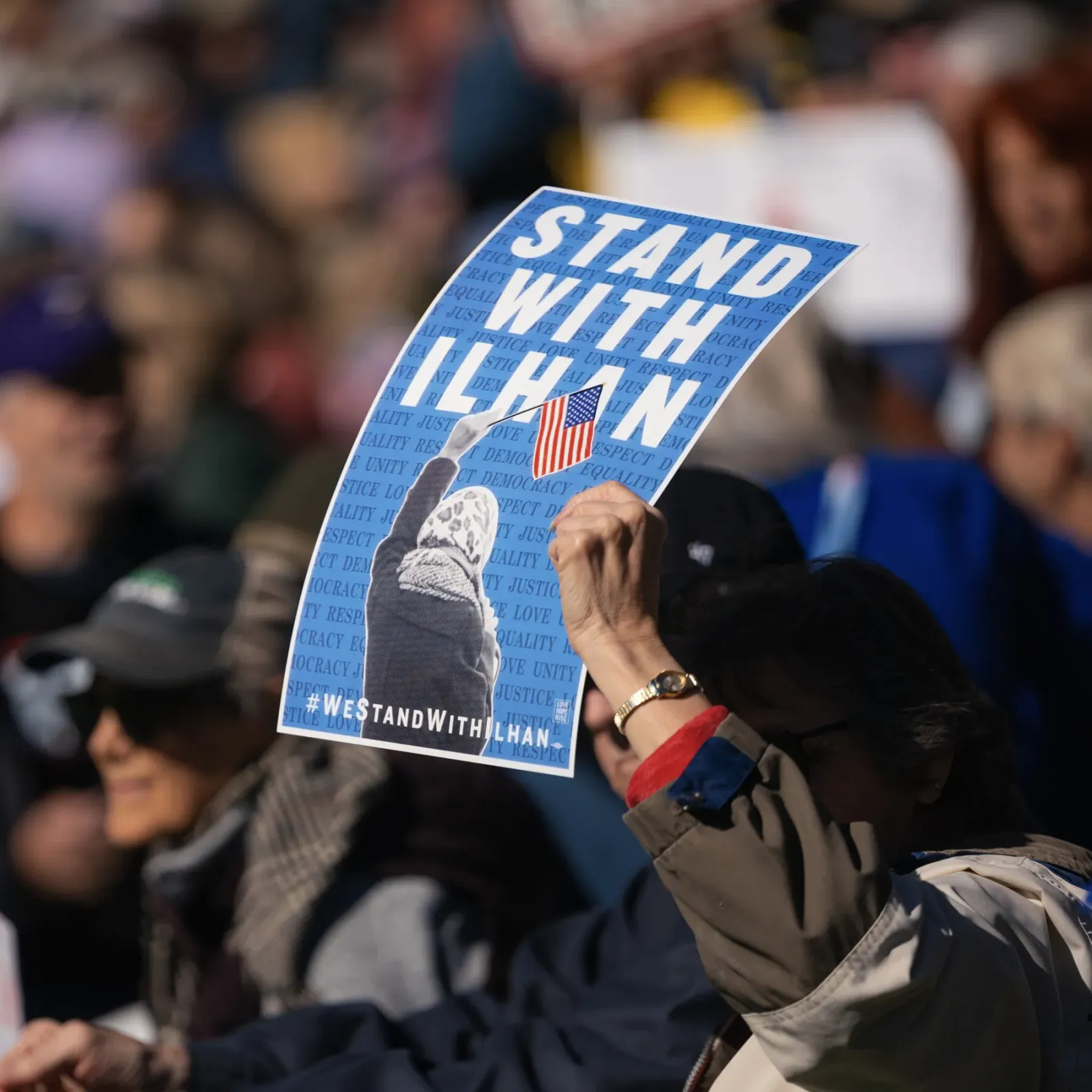
Obama Defends Ilhan Omar After Agents Search Her Home in Trump Inquiry
The former president's intervention raises the stakes in a federal probe into immigration paperwork that has put a prominent progressive lawmaker in the crosshairs.

Blair-era minister: cut welfare to fund youth job support
Alan Milburn's call for welfare cuts to fund employment support opens a Labour fight over benefits and the Neet crisis.
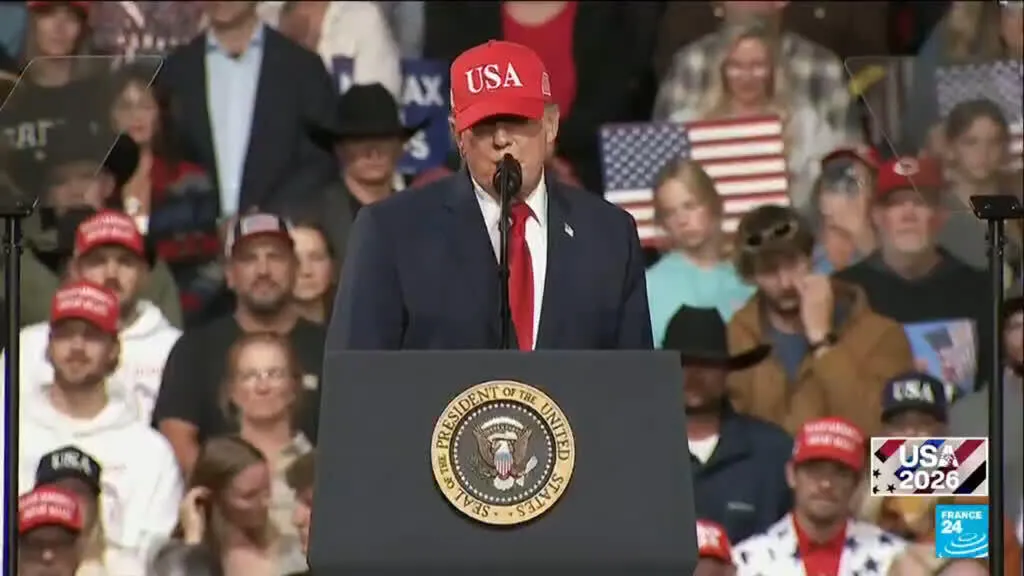
Hot September CPI: energy costs surge, voters feel the squeeze before midterms
The latest inflation print lands as Trump campaigns for GOP control of Congress, putting cost-of-living worries at the center of the midterm fight.