
CMA investigates Ryanair over mandatory family seats, charging parents about 8 pounds
UK regulators probe whether Ryanair’s mandatory parent-and-kid seating fees are unfair under consumer law, and Ryanair fires back.
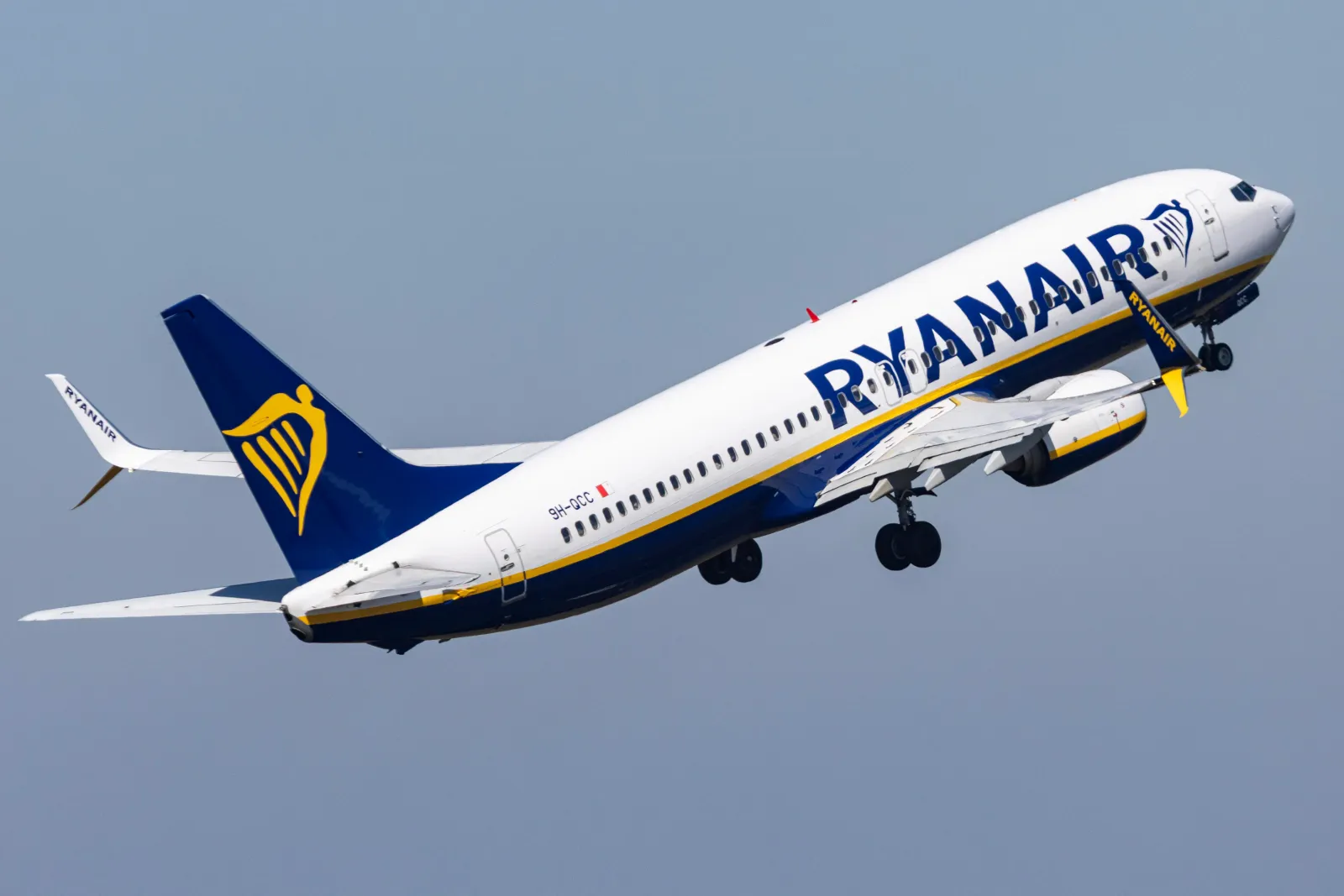
The UK Competition and Markets Authority (CMA) is investigating Ryanair over whether the airline’s mandatory family seat fees are “unfair” under consumer law. Ryanair disputes the probe, calling it “bogus,” but the outcome could reshape how airlines price family seating compliance.
Ryanair is under investigation in the UK by the Competition and Markets Authority (CMA) for charging parents mandatory fees to sit with their children, typically about £8 (around $10) per flight. The CMA says it is looking into whether those seating fees are “unfair” under consumer law, including whether the charges relate to the airline meeting child safety and disability-related obligations.
Ryanair’s response is immediate and blunt. The airline said the CMA’s investigation is “bogus,” pushing back on the regulator’s framing. Still, the core issue is straightforward, and it is the kind that regulators love because it turns everyday consumer behavior into a compliance and pricing question: Ryanair’s terms and conditions require at least one parent or guardian to sit with children aged between 2-11 when they fly, which the airline calls a “mandatory family seat.” If you are a parent, you pay to comply.
This is not just a consumer complaint. It is a pricing and policy test about how companies convert legal duties into line-item fees. The CMA is specifically weighing whether the seating fees may be charging parents so the airline can meet its child safety and disability-related obligations. In other words, the investigation asks whether consumers are being billed in a way that breaks the “fairness” rules, even if the underlying requirement, like supervision or accessibility-related support, is real.
From an industry perspective, low-cost carriers have built their models around unbundling. Seat selection. Bags. Boarding preferences. Everything becomes a separate purchase, and families are often forced to make tradeoffs quickly at checkout. Mandatory family seating complicates that playbook because it is not optional. Ryanair is not simply offering a better seat. It is stating that at least one parent or guardian must sit with children aged 2-11, then attaching a fee to make that arrangement happen. That means consumers do not choose between bundles, they choose between paying or changing travel plans.
For boards and executives, the risk is twofold. First, there is the direct regulatory exposure: the CMA can determine that the approach is unfair under consumer law. Even without guessing the outcome, investigations themselves create uncertainty, legal cost, and operational pressure, especially when the conduct is tied to standard terms and conditions that are likely used across routes and bookings.
Second, there is the market signaling effect. Other airlines watch these cases closely, because a ruling can become a blueprint that regulators and competitors reference. If charging models that are presented as compliance-driven are found unfair, airlines may need to alter how they structure family-related fees, how they explain the reason for those fees, and how they ensure that customers understand what they are paying for. That can shift checkout designs and customer service scripts, and it can also affect how competitors bundle pricing to win families without running into the same “fairness” problems.
Ryanair’s “bogus” statement also matters strategically, even though it does not change the regulator’s fact pattern. Public pushback can be a way to deter reputational spillover and to preserve negotiation leverage. But it can also harden the narrative for regulators and for consumers, because it signals that Ryanair believes the investigation misses something. Executives at similar companies will care less about the rhetoric and more about the underlying evidence and legal arguments the CMA may pursue about how the fee relates to the obligations it is meant to cover.
Ultimately, this case sits at the intersection of three forces that executives cannot ignore: customer trust, compliance costs, and the economics of à la carte pricing. If regulators decide that “mandatory family seat” fees cross a fairness line, it will not just be a Ryanair headline. It will become a test that influences how the entire category prices family compliance, disability-related support, and other requirements that sit between consumer choice and operational necessity. For any CFO or general counsel in travel or adjacent consumer services, the takeaway is clear: when you turn a requirement into a fee, you are not only selling a service. You are inviting a fairness review.
This story's Key Insights and Take-aways are locked.
Create a free account to unlock Executive Actions for one credit.
Register to UnlockAlways free for Executives Club members. Join the Club
More in Technology

OpenAI says 10,000 agents cracked a 90-year math problem in 88 hours
The company's claim is audacious, but one mathematician is pushing back. Here's what it means for AI-driven discovery.

Meta still serves child sexual abuse ads on Instagram in India - BBC report
A new report following the BBC Eye investigation says the ads are still there - what it signals for every platform with a self-serve ad engine.

White House yanks 'Build the Wall' game after Tetris Company copyright warning
The administration's arcade game vanished in hours - and the takedown playbook every brand can learn from.