
Colorado’s primaries flip two races, but one senator holds off progressives in the end
Denver ousted a veteran; one senator lost for governor; the other survives a progressive challenge that mattered.

Colorado’s Democratic primaries delivered a split outcome: a democratic socialist ousted a veteran congresswoman in Denver, while a U.S. senator lost his bid for governor. Yet the state’s other senator fended off a progressive primary challenger, changing what progressives can credibly win next.
Colorado’s Democratic primaries landed a rare kind of political whiplash. A democratic socialist ousted a veteran congresswoman in Denver, and a U.S. senator lost his bid for governor. But Colorado’s other senator fended off a progressive primary challenger. That combination is the story, and it matters because it shows how momentum can move, stall, and then re-route within the same party and the same election cycle.
Start with the two losses. In Denver, a democratic socialist unseated a veteran congresswoman. In another part of the state, a U.S. senator went after the governor’s office and lost. Those are not minor footnotes. They are signals to party strategists and donors that name recognition and incumbency do not guarantee safety when voters are open to a louder ideological pitch.
Now contrast that with what happened to the “other senator.” The state’s other senator fended off a progressive primary challenger. In plain terms: at least one incumbent built enough coalition strength, institutional support, or electoral resilience to stop the same broader progressive wave from sweeping everything. For executives, investors, and board members watching politics as a risk input, that is a useful map of where policy change is likely to happen faster versus where it will face internal friction.
Because elections are not just about who wins office. They also restructure incentives inside the party. When a progressive candidate can beat a veteran in a House primary, the downstream effect is that more ambitious challengers get emboldened, fundraising becomes more confident, and incumbents feel pressure to move their platforms closer to the challenge rather than away from it. The Denver result gives progressives a proof point that “this can be done,” even against established incumbents.
But the senator who fended off a progressive challenger is the counterweight. It suggests that the progressive playbook does not translate cleanly from one race to another. A statewide campaign for Senate or a general-election path often requires different coalition math than a single-city House seat. Even within the same ideological wing, different candidates inherit different strengths. One progressive challenger can match the mood, while another can hit a wall where moderate voters, party infrastructure, or the incumbent’s legislative record hold. Second-order implication: donors and advocacy groups learn to target districts and states differently, rather than assuming uniform ideological movement.
The business stakes show up quickly when political outcomes reshuffle expectations for regulation. A democratic socialist victory in a House primary can raise the probability of more aggressive proposals, depending on how lawmakers align across committees and into legislation. Meanwhile, a failed U.S. senator bid for governor is also consequential in the governance pipeline. Governors often become the fastest legislative accelerant, shaping budget priorities, agency enforcement, and state-level implementation. When that bid fails, policy timelines can slow or redirect, and the attention of national actors shifts to other offices.
Then there is the question of party internal discipline. When one senator holds off progressives, it can create a pattern: some seats become rallying points for the ideological base, while other seats stay under more centrist or incumbent-friendly control. For boards and executives, internal party splits are not abstract. They can influence the predictability of regulatory direction, the likelihood of hearings and investigations, and the aggressiveness of enforcement agendas. Even if the formal legislation has not changed yet, the political environment determines how quickly regulators act and how much certainty corporate stakeholders can reasonably assume.
Taken together, Colorado’s primaries offer a practical lesson for anyone who treats politics as a macro input. You get wins, you get losses, and you get one key holdout. The democratic socialist ousted a veteran congresswoman in Denver. A U.S. senator lost his bid for governor. But the state’s other senator fended off a progressive primary challenger. The resulting map is uneven, which is exactly what makes it valuable. It tells decision-makers that momentum exists, but so does institutional resistance. And it suggests the next phase of primary and general-election strategy will hinge on candidate-by-candidate coalition building, not ideology alone.
This story's Key Insights and Take-aways are locked.
Create a free account to unlock Executive Actions for one credit.
Register to UnlockAlways free for Executives Club members. Join the Club
More in Politics
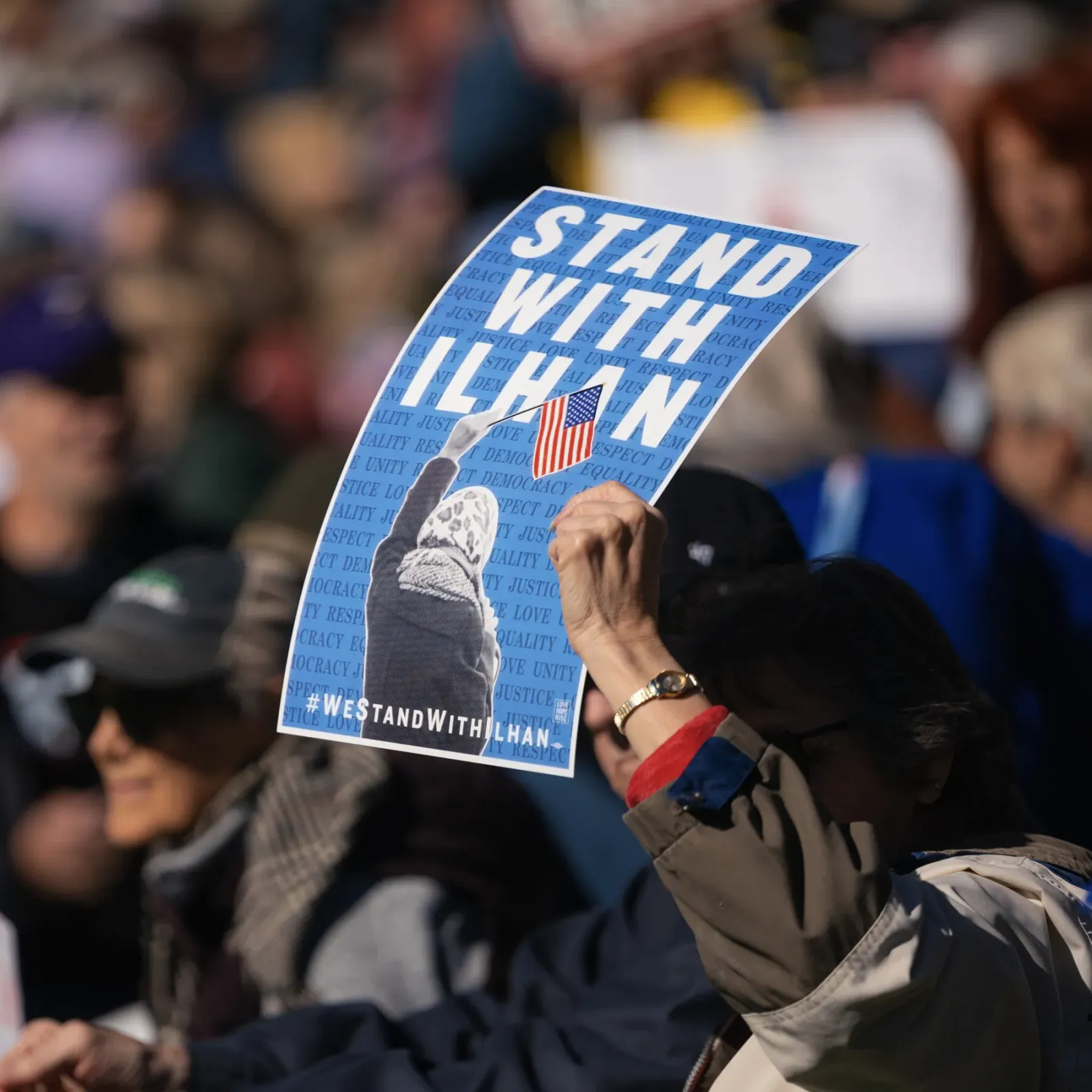
Obama Defends Ilhan Omar After Agents Search Her Home in Trump Inquiry
The former president's intervention raises the stakes in a federal probe into immigration paperwork that has put a prominent progressive lawmaker in the crosshairs.

Blair-era minister: cut welfare to fund youth job support
Alan Milburn's call for welfare cuts to fund employment support opens a Labour fight over benefits and the Neet crisis.
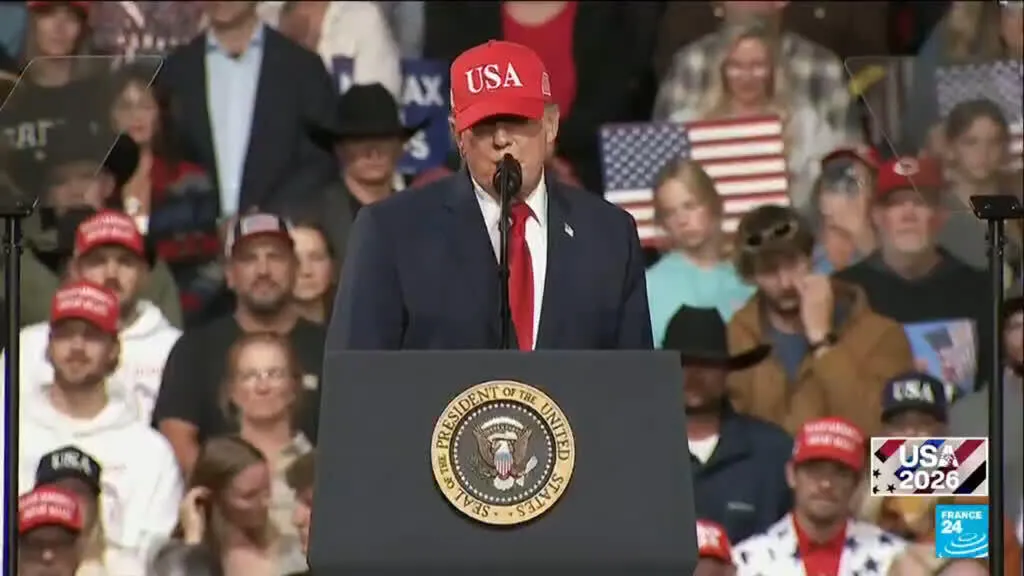
Hot September CPI: energy costs surge, voters feel the squeeze before midterms
The latest inflation print lands as Trump campaigns for GOP control of Congress, putting cost-of-living worries at the center of the midterm fight.