

Complaints to water watchdog jump 84% as bills bite
The surge in affordability complaints signals consumer strain and regulatory risk that water company boards can no longer ignore.
Complaints to the water industry watchdog jumped 84%, many tied to affordability after customers faced steep bill increases. The surge is a strategic warning for water companies and other regulated utilities that consumer anger can quickly become regulatory and political risk.
Complaints to the water industry watchdog jumped 84%, the sharpest signal yet that customers are feeling the sting of steep bill increases. The surge in grievances was driven largely by affordability concerns, after households saw their water and wastewater charges climb. For decision-makers, the numbers are a flashing warning: what starts as a complaint log can quickly become a regulatory, political, and reputational problem.
The 84% jump is not a rounding error. It represents a near doubling in the volume of customers formally registering dissatisfaction with their water supplier. While the watchdog's report does not break down every driver, the central theme is clear: people are struggling to pay, and they are making their frustration official. That matters because complaints data is one of the few public, comparable measures of how water companies treat their customers, and it feeds into how regulators and politicians judge performance.
Context makes the spike easier to understand. Water and sewerage services in England and Wales are regional monopolies, so customers cannot switch suppliers when prices rise. Instead, bills are set through a five-year price review overseen by the economic regulator, and recent settlements have allowed significant increases to fund infrastructure upgrades, including fixing leaky pipes and improving wastewater systems. For households already dealing with higher food, energy, and mortgage costs, a water bill hike lands at the worst possible moment. The result is a predictable collision between corporate investment needs and consumer capacity to pay.
The watchdog's complaint numbers should be read as an early-warning metric. Complaints tend to lag the underlying problem: a customer only logs a formal complaint after informal attempts have failed, so an 84% jump suggests a much larger pool of frustrated, financially stressed households beneath the surface. For water company boards, this is the kind of trend that invites attention from consumer groups, MPs, and the regulator alike. It also creates political risk, because water bills are a visible, recurring cost that voters notice, especially when the sector is already under public scrutiny.
Affordability is the crux. The watchdog's findings align with a broader cost-of-living squeeze across the UK, where households are managing higher costs for essentials and have less financial cushion than they did a few years ago. For water companies, the commercial logic of raising bills to fund investment collides with the social reality of customers who cannot absorb those increases. That tension is not new, but the scale of the complaint jump suggests it is intensifying. Boards cannot dismiss this as a customer-service issue; it is a strategic risk that touches pricing power, license conditions, and long-term reputation.
The practical response matters as much as the headline number. Water companies have options: clearer communication about bill increases, earlier outreach to customers who are struggling, and more accessible payment plans or social tariffs. When complaints are about affordability rather than service quality, the fix is not just faster call centers; it is recognizing that the product has become unaffordable for a meaningful slice of the customer base. Companies that wait for the next price review to act will likely see complaint numbers climb further, and with them the risk of stricter regulation or mandatory support schemes.
For executives in other regulated industries, the lesson is direct. Any business that sells essential services with limited competition is vulnerable to the same dynamic: cost increases that make sense on a spreadsheet can generate outsized customer anger when they hit household budgets. Complaint data is the canary. It is public, lagging, and easily weaponized by critics. The smart play is to monitor it obsessively, investigate the affordability drivers behind the aggregate numbers, and act before the story becomes about a single shocking statistic.
This story's Key Insights and Take-aways are locked.
Create a free account to unlock Executive Actions for one credit.
Register to UnlockAlways free for Executives Club members. Join the Club
More in Business
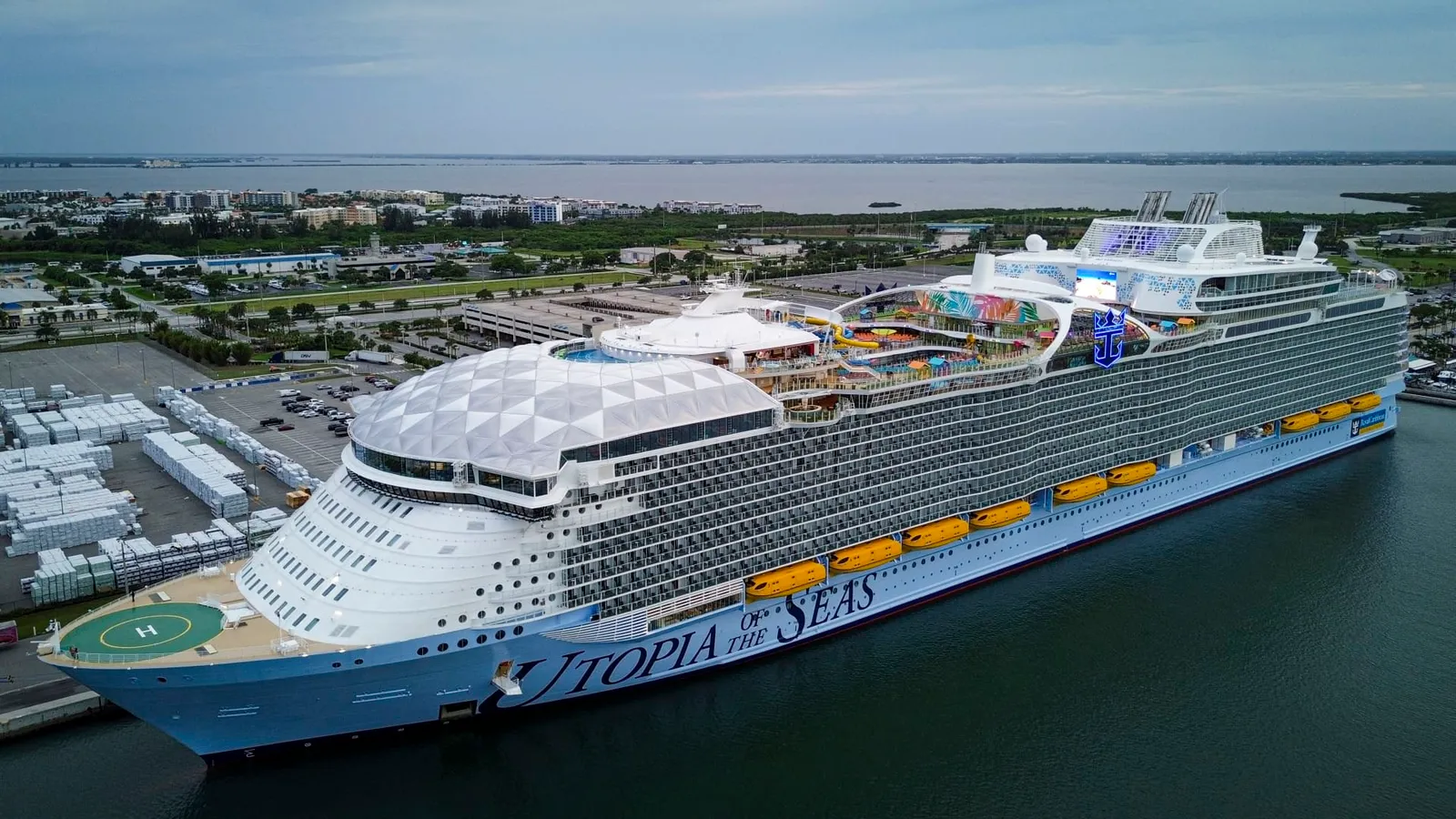
Royal Caribbean just spent $3B to own half of Sandals
The cruise giant is buying a 50% stake in the all-inclusive resort chain for $3 billion, a bet that land-based vacations are the next growth engine.

Paramount's Ellison: Merger Clearance Done, WBD Deal by Oct 1
David Ellison says the Paramount-WBD merger has full clearance after settling with state AGs, clearing the path for an October 1 close.
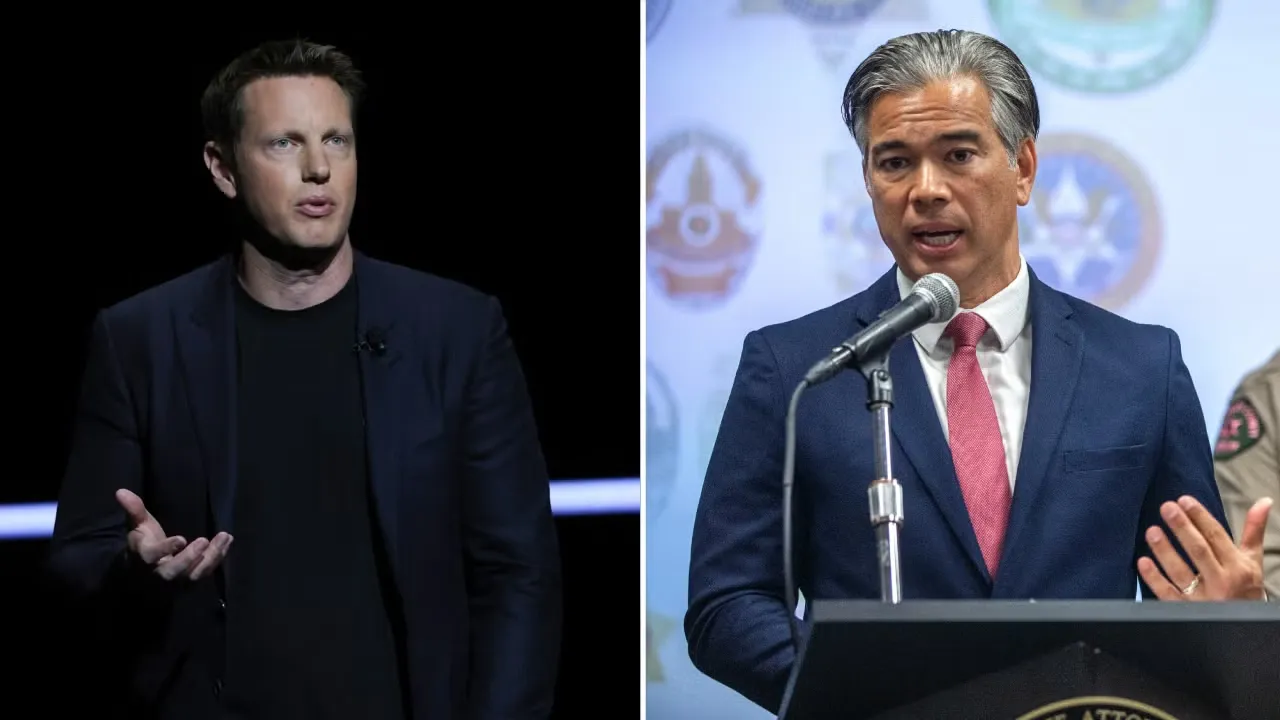
Paramount settles with 12 states, $110B Warner merger clears final hurdle
David Ellison's studio avoids a March trial and a $7M-a-day ticking fee by settling with state AGs over local job losses.