

Conagra slashes dividends and takes a $2 billion charge, warning packaged-food pain ahead
The dividend cut plus the $2 billion hit turn Conagra's quarterly readout into a broader signal for the industry’s next quarter.
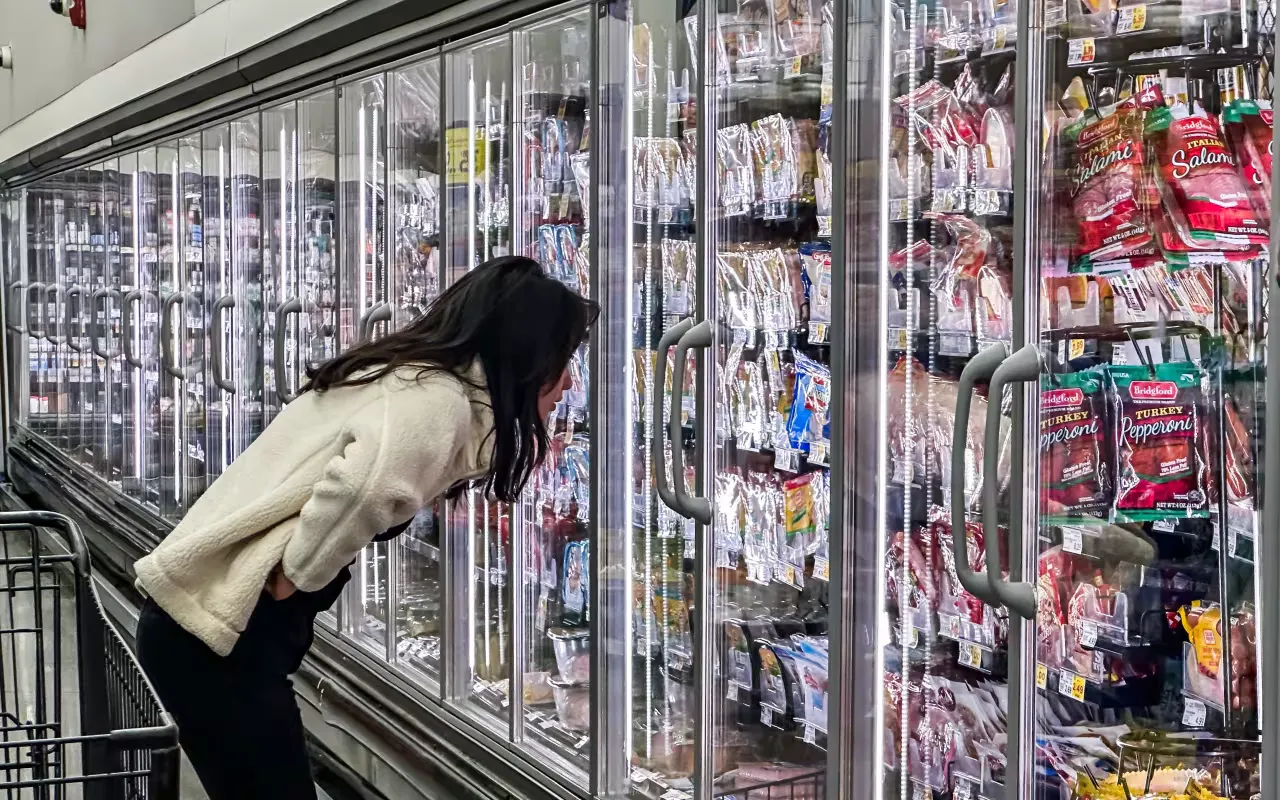
Conagra Brands reported results and a forecast that MarketWatch called another dose of bad news for the packaged-food industry, while its stock edged higher on Thursday. The dividend cut and a $2 billion charge highlight how pressure on margins and capital returns is showing up across the sector for decision-makers.
Conagra Brands’ stock ticked up a bit on Thursday, but the real headline for investors and executives was what came with the numbers: a dividend cut and a $2 billion charge tied to its results and forecast. For anyone underwriting packaged-food companies right now, that combination is the signal, not the intraday bounce. A stock can rise on a single quarter, but a dividend cut paired with a large charge usually means management is changing the math on cash return and near-term earnings quality.
The dividend reduction matters because dividends are the packaged-food sector’s calling card. They are often treated as “shareholder yield,” a kind of steady payoff when consumers pull back or promotions rise. When that steadiness breaks, boards and finance leaders have to confront the same questions at once: Is the pressure cyclical or structural? Are margins being squeezed faster than costs can be controlled? And is management using a one-time charge to clean up the balance sheet, or is it pointing to a longer stretch of earnings volatility?
MarketWatch framed Conagra’s update as “more pain ahead” for packaged foods. That framing is important because it moves the story from “one company’s quarter” to a sector-level stress test. Packaged-food businesses are typically built on scale, brands, and distribution, but they still live and die by input costs, pricing power, and how much trade spending it takes to keep shelves. When results and forecast are read as a pattern rather than an exception, peers start revisiting their own assumptions about pricing, promotional intensity, and how much of cost inflation management can pass through.
The $2 billion charge is the part that makes executives sit up. Even without digging into the exact line items, a charge of that size is rarely background noise. Charges often reflect impairments, restructuring, or other non-cash adjustments that can still matter economically because they change investor perception of durability. For CFOs and audit committees, a large charge creates a second-order ripple: it can complicate how the company guides future performance, it can reset how analysts model underlying earnings, and it can raise the bar for management to show that subsequent quarters will normalize.
Then there is the dividend cut, which tends to be the most visible lever for boards because it directly impacts shareholder expectations. Executives know dividend policy is not just a finance decision, it is a governance signal. In packaged foods, investors who want dependable cash returns often anchor their theses on that policy. Cutting a dividend forces a re-rating conversation. It can also shift the investor base, because some income-focused shareholders are more likely to sell when the yield story breaks, while other investors might re-engage if the company uses retained cash to stabilize operations.
So what does this mean for the packaged-food industry beyond Conagra? It means investors may start looking for similar pressure points across companies with comparable business models: businesses that rely on brand strength but face variable commodity costs and competitive promotional cycles. It also means that any guidance that was previously “steady” could start sounding more cautious. When one prominent name cuts dividends and takes a large charge, it raises the probability that management teams will take earlier, more aggressive action to protect liquidity and longer-term returns.
Regulatory context also lurks behind these moves, even if the immediate story is financial. Corporate finance choices like dividend cuts and big charges do not happen in a vacuum. Public companies have obligations around accurate financial reporting and disclosure, and investors use that information to judge risk. While packaged-food regulation is more about consumer safety and labeling than it is about dividends, the compliance culture still affects cost structure and timing of expenses. Big charges can sometimes reflect the need to account for risks that are discovered or formalized under reporting standards. For boards, the takeaway is that governance discipline has to keep pace when conditions deteriorate quickly.
At the end of the day, Conagra’s results and forecast, plus the dividend cut and $2 billion charge, turn Thursday’s modest stock move into a larger message: capital returns are not guaranteed when the outlook weakens. For CEOs, CFOs, and board members at similar firms, the strategic stakes are clear. The market will treat Conagra as a reference point. If peers wait too long to adjust to margin pressure, investors may force the adjustment for them. Conagra’s update is a reminder that, in packaged foods, the next quarter can start forming the moment the dividend policy changes and the size of the charge becomes undeniable.
This story's Key Insights and Take-aways are locked.
Create a free account to unlock Executive Actions for one credit.
Register to UnlockAlways free for Executives Club members. Join the Club
More in Business

Epic and Google drop settlement bid, forcing rival Android app stores by July 22
Google told the court it is ready to carry third-party app stores starting Wednesday, July 22.
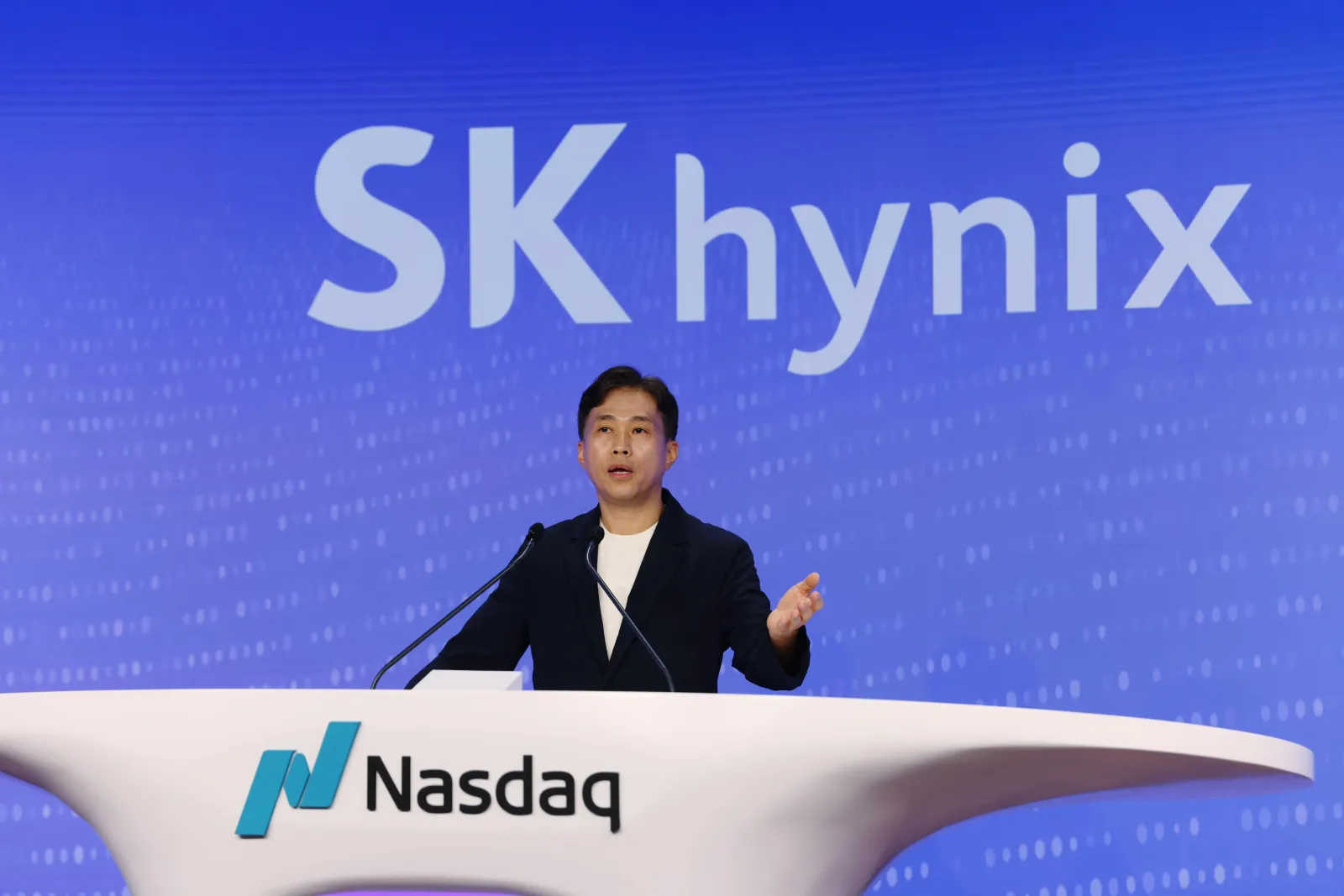
SK Hynix opens at $170, raises $26.5B, and tops foreign IPO records
In Friday's Wall Street debut, SK Hynix turns AI RAM demand into a $26.5B fundraising moment that rewrites comps.

China lands a reusable Long March booster, a first that matches SpaceX and Blue Origin
A barge landing and net-based recovery move China from theory to proof, reshaping the reusability race and satellite ambitions.