
Container rates quadruple to $10,948 as Iran war fuels shipping spike
Spot rates from China to the US East Coast have surged past post-COVID peaks, threatening supply chains and margins as fuel costs climb.
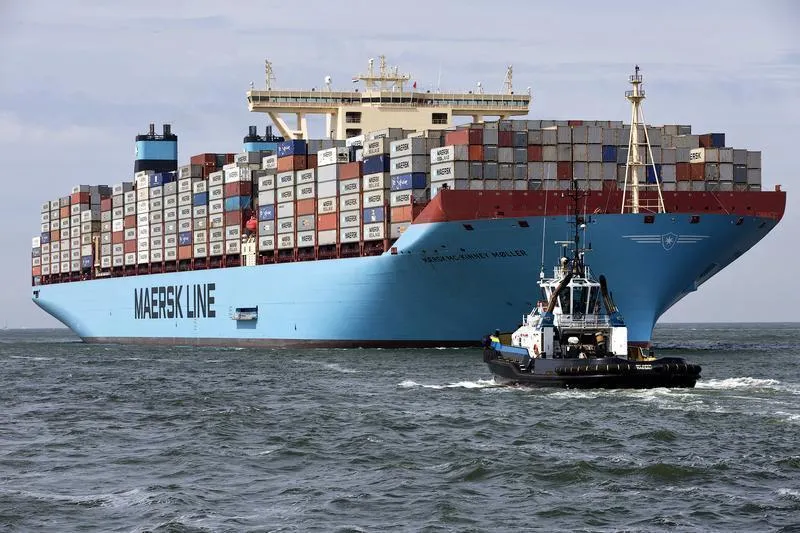
Freight pricing platform Xeneta reports spot container rates from China to the US East Coast hit $10,948 per 40-foot container, quadrupling since the Iran war began. The surge threatens supply chain budgets and could push rates to record highs as fuel costs climb.
The off-contract ocean container shipping rate from China to the US East Coast has hit $10,948 per 40-foot container, more than quadrupling since the Iran war began on February 28, according to freight pricing platform Xeneta. That puts spot rates back at levels not seen since the COVID-19 pandemic upended global trade, and analysts warn they could climb even higher as fuel costs spike.
For importers, retailers, and manufacturers who rely on trans-Pacific shipping, this is not a distant market signal. It is a direct hit to landed costs, inventory planning, and margins. The rate surge is driven by the US and Israeli war on Iran, which has pushed fuel prices up and added risk premiums to voyages through critical chokepoints.
Spot rates are the prices shippers pay for immediate container space, as opposed to long-term contracts. They are the most volatile segment of the freight market and often serve as a leading indicator for broader shipping costs. When spot rates spike, contract rates typically follow with a lag, meaning the pain will spread across the industry in coming months.
The last time rates reached this level was during the pandemic-era supply chain crisis, when port congestion, container shortages, and surging consumer demand sent prices to historic highs. That period saw rates exceed $10,000 per container on some routes, and the current surge is now matching those figures. But the driver this time is geopolitical, not demand-driven, which makes the trajectory harder to predict.
The Iran war has disrupted shipping lanes in the Middle East, particularly the Strait of Hormuz, a critical passage for oil and gas. Fuel costs are a major component of container shipping expenses, and carriers typically pass these on through bunker surcharges. With oil prices elevated, carriers are raising rates to protect margins, and analysts say the combination of higher fuel and war risk premiums could push spot rates to new record highs.
For CFOs and supply chain executives, this means revisiting freight budgets, renegotiating contracts, and potentially accelerating inventory orders to lock in capacity before rates climb further. The volatility also complicates pricing decisions for consumer goods, as retailers may need to pass on higher shipping costs to customers or absorb them, squeezing profitability.
The broader lesson is that geopolitical events can rapidly reshape logistics economics. Companies that diversified their sourcing or invested in alternative routes may be better positioned, but no one is immune to a global fuel shock. The coming months will test how well supply chains have learned from the COVID era, and whether they can adapt to a new normal of higher energy costs and persistent geopolitical risk.
As the war continues, the shipping industry will be watching for any signs of de-escalation or further disruption. For now, the $10,948 rate is a stark reminder that the cost of moving goods is never just a line item - it is a reflection of the world's stability. Executives who treat freight rates as a strategic variable, not a fixed cost, will be the ones who navigate this volatility.
This story's Key Insights and Take-aways are locked.
Create a free account to unlock Executive Actions for one credit.
Register to UnlockAlways free for Executives Club members. Join the Club
More in Business
Royal Caribbean just spent $3B to own half of Sandals
The cruise giant is buying a 50% stake in the all-inclusive resort chain for $3 billion, a bet that land-based vacations are the next growth engine.

Paramount's Ellison: Merger Clearance Done, WBD Deal by Oct 1
David Ellison says the Paramount-WBD merger has full clearance after settling with state AGs, clearing the path for an October 1 close.

Paramount settles with 12 states, $110B Warner merger clears final hurdle
David Ellison's studio avoids a March trial and a $7M-a-day ticking fee by settling with state AGs over local job losses.