
Critical Energy scores $22M to repurpose rocket engines into geothermal power plants
A SpaceX alum’s geothermal startup targets 300 GW per year by 2045, reshaping the timeline for clean baseload.
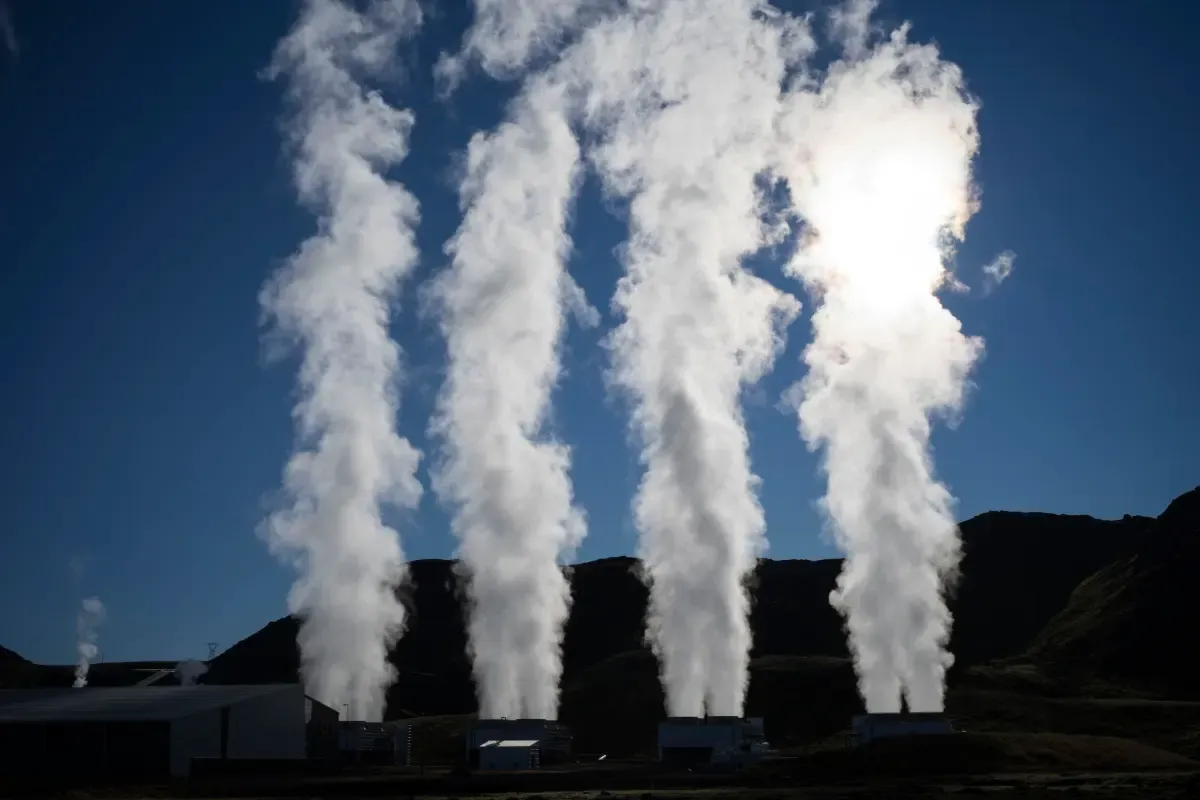
Critical Energy, founded by a SpaceX alum, has raised $22M to turn rocket engines into geothermal power plants. The plan’s scale goal, 300 GW per year by 2045, matters for anyone tracking the path from pilot tech to power grid capacity.
Critical Energy, led by a SpaceX alum, just landed $22M to repurpose rocket engines into geothermal power plants. The promise is not incremental. The company wants to build 300 GW per year by 2045, which is the kind of headline number that forces the market to ask a blunt question: can geothermal move from “promising projects” to “grid-sized deployments” fast enough to matter.
Why this is suddenly a board-level topic: geothermal is attractive because it can produce steady electricity independent of wind and solar swings. But steady power has historically come with friction. Drilling is expensive. Reservoir risk is real. Equipment and operations need to survive harsh downhole conditions. If Critical Energy can use rocket engine hardware as a platform technology, it is trying to attack both the reliability and scale problem at the same time. The $22M funding is the “we can build the prototype path” signal. The 300 GW per year by 2045 ambition is the “we can become a category” signal.
To understand why this combo matters, it helps to zoom out on how clean power scales. Wind and solar benefited from repeated manufacturing cycles, learning-by-doing, and relatively straightforward siting compared to deep subsurface work. Geothermal, by contrast, tends to be constrained by geology and execution risk. Investors have historically demanded either proof that a particular resource can be reliably accessed or a business model that can absorb exploration uncertainty. So when a startup arrives with a clear manufacturing-adjacent narrative, it can change the investor conversation. Rocket engines are engineered for extreme thermal and mechanical stress. Turning that engineering experience into geothermal equipment is basically an attempt to transfer “survive crazy conditions” into “produce power reliably over time.”
Now add the market context. Energy policy and corporate procurement increasingly focus on firm clean power. That means power buyers are not only asking for clean energy, they are asking for clean capacity they can schedule. Geothermal, if it becomes cheaper and faster to deploy, could slot into the exact role utilities need: baseload-like generation that complements intermittent renewables. That is why a company that claims a credible path to massive annual builds by 2045 is trying to position itself early in the funnel, before the procurement and capacity races fully lock in. Even if the 300 GW per year number is aggressive, the intent is operational: build fast enough that customers can sign contracts before competitors saturate the space.
There is also a regulatory and compliance dimension, even before any power hits the grid. Geothermal projects typically intersect with permitting for drilling, land use, environmental review, and safety rules related to wells and subsurface operations. In many jurisdictions, the regulatory process can slow timelines regardless of how good the technology is. Equipment reuse and adaptation can help, but it does not remove the need to demonstrate safety and performance in the geothermal setting. For Critical Energy, the practical challenge is turning “rocket-engine-derived components” into a geothermal system that regulators and utilities can trust. That is the second-order test for the $22M: does it fund the engineering validation and field work required to de-risk permitting and interconnection?
Board dynamics matter here too. A capital raise is not just about runway. It is about reducing uncertainty enough to keep future funding open. If Critical Energy uses the $22M to accelerate proof points around durability, efficiency, and drilling or reservoir interface performance, it can shift the company from science-fair curiosity to bankable infrastructure. If it does not, the market may treat the concept as another geothermal bet with heavy execution risk. In a world where grid planners are trying to de-risk supply, the winning startups will be the ones that convert technical ambition into timelines that developers and financiers can model.
For executives at energy companies, utilities, and investors, the strategic stake is simple: this is a wedge into firm clean capacity. If geothermal deployment gets easier and faster, it changes procurement strategies, competition for interconnection queues, and the economics of long-term contracts. And if a SpaceX alum-backed startup can genuinely translate rocket-engine engineering into geothermal power plants at scale, it would not just add generation. It would pressure incumbents to rethink cost curves, timelines, and what “baseload clean” means in the next decade.
Critical Energy’s current story is still early, but the shape is clear. A $22M round is being used to push a very specific technology angle, and the company is staking its credibility on an outcome that is measured in gigawatts, not pilots. The question now for decision-makers is whether the roadmap can close the gap between a compelling engineering narrative and the repeatable build process that 300 GW per year by 2045 implies.
This story's Key Insights and Take-aways are locked.
Create a free account to unlock Executive Actions for one credit.
Register to UnlockAlways free for Executives Club members. Join the Club
More in Technology

Nvidia's $89B data center quarter: the 9 companies cashing in
The AI buildout is minting fortunes beyond GPUs, and memory, cloud, and cooling suppliers are riding the same wave.

A YouTuber dissected the iPhone Duo and thinks he found crackgate's cause
CuriousHagi's teardown of Apple's foldable reveals a gear-like hinge that may explain why screens crack in the same spot within hours.

Google quietly links your phone number to every Android account on your SIM
Adding a SIM now ties your phone number to all Google accounts - and future accounts inherit it. Here's the security and privacy stakes.