

Critical PHP Flaw Forces Global Patching as Government and Business Sites Go Dark
A vulnerability in the code behind a large share of the web is triggering a worldwide scramble to patch, and it's a reminder that your stack's oldest dependencies can be its biggest risk.
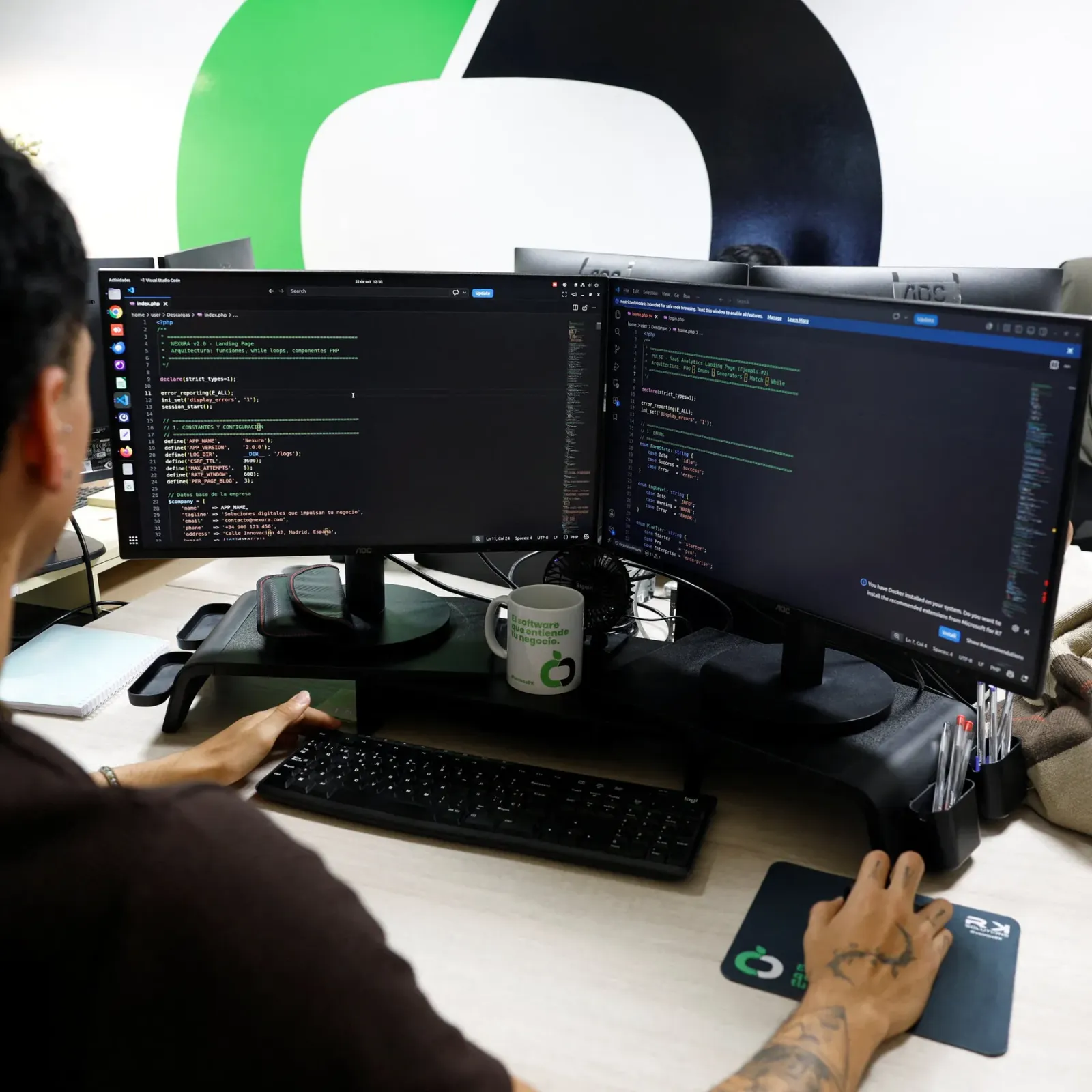
A critical security flaw in PHP, the programming language that powers a significant portion of the web, has forced governments and businesses to take websites offline and rush patches. For decision-makers, the incident underscores the urgent need to inventory and update legacy dependencies before attackers exploit them.
A critical security flaw in PHP, the programming language that underpins much of the web, has triggered a global scramble to patch vulnerable systems, and it is already taking government and business websites offline. According to a New York Times report, the flaw is serious enough that organizations are pulling sites down to apply fixes, a stark reminder that the internet's oldest building blocks still carry the biggest risks.
For the uninitiated, PHP is a server-side scripting language that has been a workhorse of the web for decades. It runs behind the scenes on countless websites, from small blogs to large government portals, processing forms, managing logins, and generating dynamic content. The current vulnerability is critical, meaning it could allow attackers to compromise servers or steal data if left unpatched. That is why the response is so urgent: the attack surface is enormous, and the window to protect systems is narrow.
The global rush to patch is a logistical challenge as much as a technical one. IT teams are working around the clock to identify every system running PHP, test patches, and deploy them without breaking applications. Some organizations have chosen to take websites offline proactively to prevent exploitation, which explains the wave of outages. Others may be dealing with the aftermath of attacks that exploited the flaw before patches were available. Either way, the disruption is a stark illustration of how a single vulnerability in a widely used technology can ripple across sectors.
For executives, this is a wake-up call about technical debt. PHP has been around since the mid-1990s, and many organizations have layers of legacy code that they no longer fully understand. The challenge is not just patching this flaw, but knowing what else might be lurking in the stack. A comprehensive software inventory is no longer a nice-to-have; it is a critical component of risk management. If you do not know what runs on PHP, you cannot protect it.
The business impact goes beyond temporary downtime. Every hour a website is offline means lost transactions, frustrated customers, and potential reputational damage. For government agencies, it can mean citizens unable to access essential services. And if the flaw is exploited, the consequences could be far worse: data breaches, regulatory fines, and legal liability. The cost of patching is trivial compared to the cost of a major incident.
So what should decision-makers do right now? First, ensure your security team has a complete inventory of all PHP-based systems and is applying vendor patches immediately. Second, review your incident response plan and make sure it covers the possibility of a critical vulnerability in a core dependency. Third, communicate with stakeholders - customers, employees, regulators - about what you are doing to protect their data. Silence breeds speculation, and transparency builds trust.
Looking beyond this specific flaw, the episode is a reminder that the web's shared infrastructure is both a strength and a vulnerability. When a language like PHP is everywhere, a single bug can become a global event. For boards and leadership teams, this argues for ongoing investment in security hygiene: regular patching, dependency management, and continuous monitoring. The next critical vulnerability is not a matter of if, but when.
This story's Key Insights and Take-aways are locked.
Create a free account to unlock Executive Actions for one credit.
Register to UnlockAlways free for Executives Club members. Join the Club
More in Business
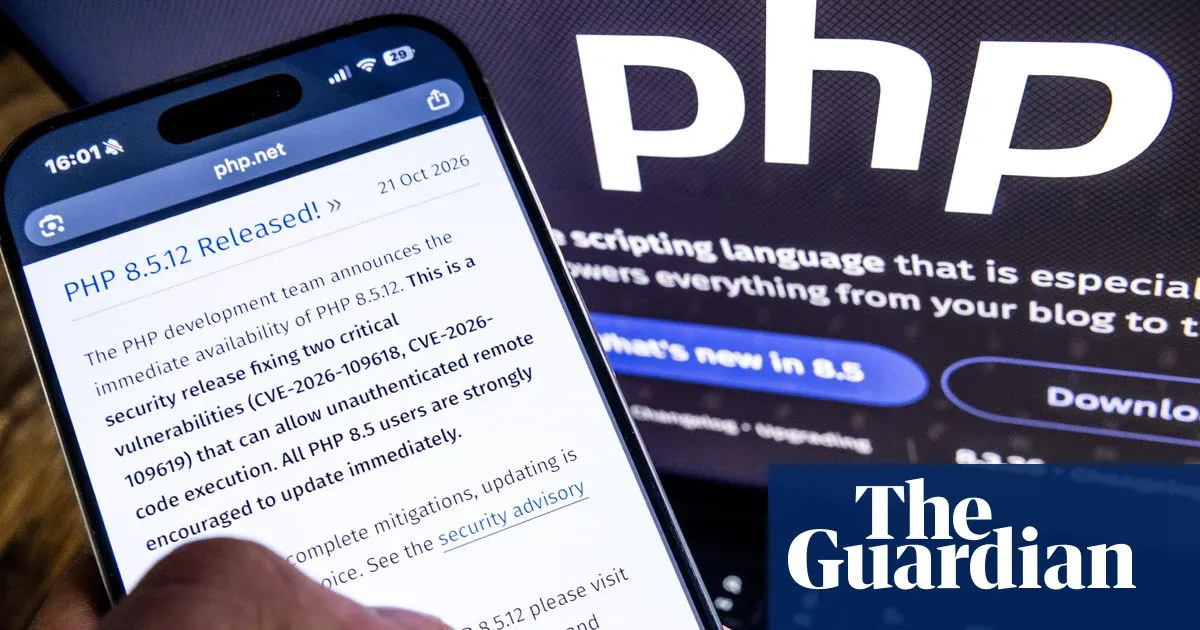
A flaw in PHP just forced governments to pull their own sites offline
European agencies from Belgium to Germany took websites dark to patch a critical weakness in the language behind almost 70% of the web, and the blast radius extends far beyond government portals.

BioWare shuts down, Mass Effect 5 dead after $55B EA buyout
The legendary RPG studio's closure lands months after a $55 billion investment group buyout of EA, raising tough questions for gaming's biggest acquirers.

Musk barred from the room as Tesla, SpaceX boards weigh $3.5 trillion merger
The CEO of both companies is a 'conflicted party' watching independent directors negotiate a tie-up that would create a $3.5 trillion giant he would own about a third of.