

Crusoe raises $3.9B for AI data centers, now worth $30.9B
The massive funding round shows how much capital it takes to build the physical backbone of AI, and who is now competing with hyperscalers.

Crusoe, a data center developer, has raised $3.9 billion to build massive data centers and small modular 'AI factories,' a round that values the company at $30.9 billion. For decision-makers, the raise signals that AI infrastructure is now a capital arms race where scale and energy access are the moats.
Crusoe has raised $3.9 billion to build out a network of massive data centers and smaller modular 'AI factories,' a round that values the company at $30.9 billion. That valuation, reported by TechCrunch, puts Crusoe in rarefied territory for a data center developer, a category once seen as low-margin and capital-heavy but now at the center of the AI boom. The round is a bet that the biggest bottleneck for AI is no longer chips alone, it is the physical infrastructure to house them and the power to run them.
The headline number, $3.9 billion, is not just a funding round. It is a down payment on a thesis: that AI compute demand will outstrip the ability of traditional real estate and utility players to respond, and that a company willing to build faster and more efficiently can capture outsized share. Crusoe's strategy includes both hyperscale campuses and smaller modular units, which the company describes as 'AI factories.' Those modular factories are designed to be deployed closer to power sources and brought online more quickly than conventional data centers, a critical advantage when every month of delay means lost GPU revenue.
For context, the AI infrastructure buildout has become one of the largest capital spending cycles in technology history. Cloud giants like Microsoft, Amazon, and Google have committed hundreds of billions of dollars to data centers, but they also need partners who can execute on the ground. Crusoe's raise positions it as a serious independent player in that chain, one that can take on big projects without being owned by a hyperscaler. The $30.9 billion valuation also suggests investors are treating Crusoe less like a real estate trust and more like a technology platform, one that could eventually offer its own AI compute services or strike long-term leases with GPU-hungry startups.
The round arrives at a moment when power constraints are shaping every major AI decision. Utilities are struggling to connect new data centers to the grid, and lead times for transformers and other electrical equipment stretch for years. Crusoe's focus on modular, energy-aware design is an attempt to sidestep those bottlenecks. While the source does not detail the investors or the exact use of proceeds, the sheer size of the raise implies a multi-year buildout pipeline, likely including land acquisition, power procurement, and construction financing.
For boards and CFOs watching from the sidelines, the takeaway is about capital intensity. AI infrastructure is no longer a side bet; it is a core strategic expenditure that demands balance sheet creativity. Crusoe's $3.9 billion raise will likely be followed by more debt and more equity from other players, because the market is pricing in a decade of continuous buildout. That creates both opportunity and risk. The opportunity is for companies that can secure power and sites early. The risk is that demand forecasts soften, leaving a glut of half-empty data centers and stranded capital.
There is also a competitive dynamic worth noting. By raising at a $30.9 billion valuation, Crusoe is signaling that it can operate at the same scale as publicly traded data center REITs, but with more agility. That puts pressure on traditional players to accelerate their own modular offerings and on utilities to rethink how they approve and connect large power loads. It also raises the stakes for anyone selling into the AI supply chain, from cooling systems to electrical gear, because every new data center represents a large procurement event.
The 'AI factory' framing is not incidental. It suggests a future where AI compute is manufactured like a product, with standardized modules, predictable timelines, and repeatable processes. If that model works, it could lower the cost and time to deploy AI capacity, which in turn would accelerate the entire AI economy. If it fails, the $3.9 billion will join the list of overbuilt infrastructure bets that looked inevitable in a boom and obsolete in a bust.
For now, the round is a clear signal that the AI infrastructure race is far from over. Crusoe now has the capital to compete for the largest deals, the credibility to sign long-term power agreements, and the valuation to attract top engineering talent. The question for every other player in the space is not whether to build, but how fast and with whose money.
This story's Key Insights and Take-aways are locked.
Create a free account to unlock Executive Actions for one credit.
Register to UnlockAlways free for Executives Club members. Join the Club
More in Technology

OpenAI poaches Patreon co-founder Sam Yam and two execs for creator push
OpenAI lands three Patreon veterans to build creator tools, signaling a major bet on the creator economy ahead of a big announcement.
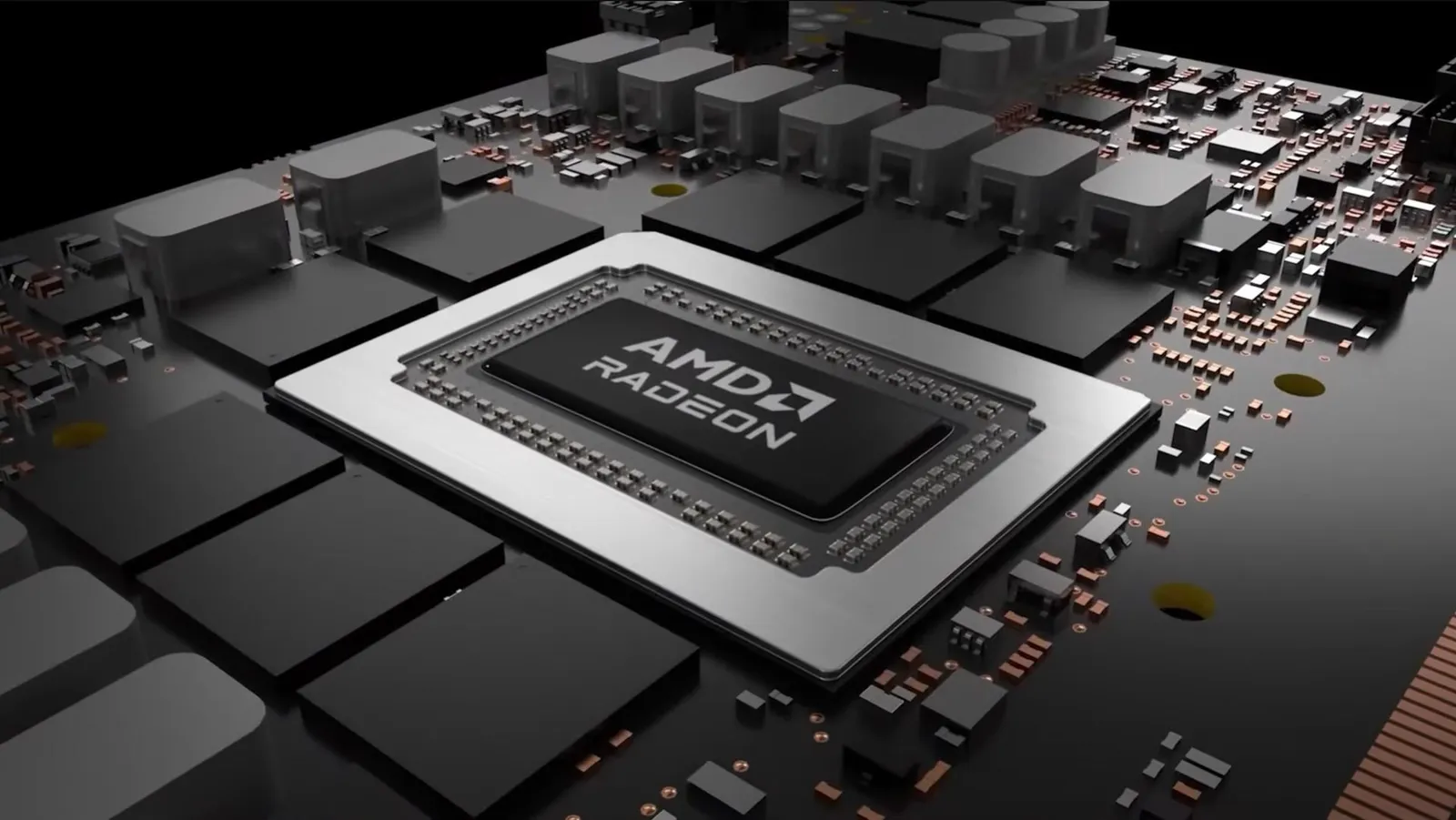
AMD's one-line Linux patch reveals GDDR7 support for RDNA 5
The tiny code change lands as Nvidia ships GDDR7 on RTX 50-series, and it hints AMD's next-gen cards arrive by 2027-2028.

China's AI ambitions rise from Inner Mongolia's remote data centre boom
A rare look at the dozens of data centres rising in Inner Mongolia: what Beijing's compute buildout means for the global AI race.