

Cuba’s grid operator reports nationwide blackout as electricity grid collapses late Sunday
The state says the island went dark after another full collapse, renewing pressure on fuel supply and grid reliability.
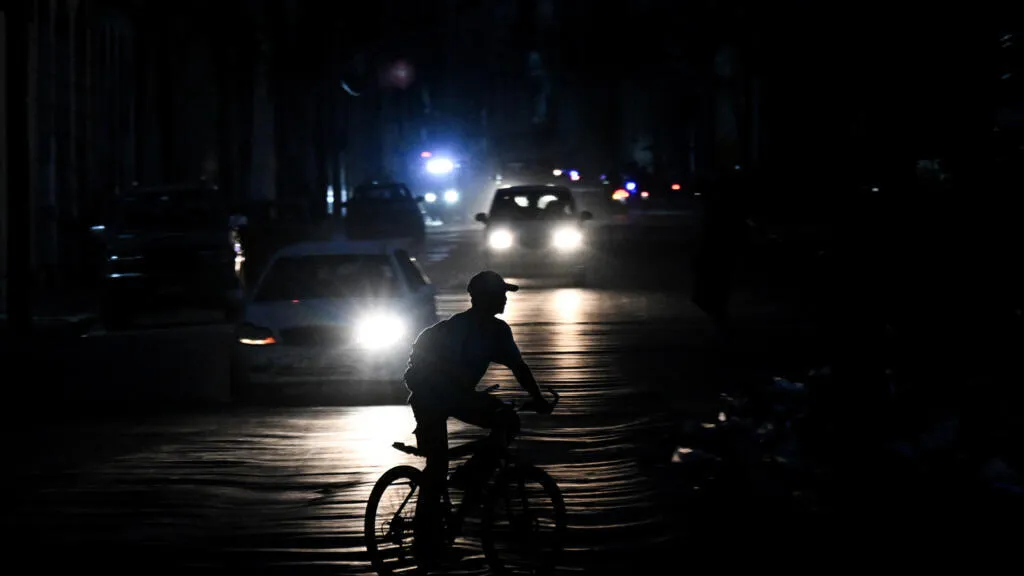
Cuba’s state-owned grid operator reported that the electricity grid collapsed late on Sunday, plunging the island into darkness. For decision-makers, it is another datapoint in a recurring reliability crisis tied to halted fuel deliveries to power stations.
Cuba’s electricity grid collapsed late on Sunday, the state-owned grid operator said, plunging the island into darkness. This was not a minor disruption or a localized fault. It was a nationwide blackout, and it landed in a country that has already been through a string of total collapses.
The key detail is why these collapses keep repeating. The source ties the broader pattern to the US energy embargo, which halted regular deliveries of fuel for power stations. In simple terms: if the system cannot count on fuel to run, even a grid that is mechanically intact can still fail when demand hits and backup margins run out. Sunday’s event is therefore not just a snapshot of bad luck. It fits into a longer, structurally stressed operating reality.
To understand why this matters beyond Cuba’s borders, it helps to recognize what “grid collapse” usually implies for an island system. Power grids are about balance, second by second. Electricity has to be generated and moved at the right volumes and timing. When large parts of the system lose that balance, the failure can cascade: plants trip, load cannot be served, frequency and voltage move out of range, and the system can shut down to protect equipment. A “total collapse” signals the failure was systemic, not just a single neighborhood outage. For operators, that is the difference between troubleshooting a component and confronting a fundamental shortfall in how the system can keep itself stable.
Now layer in the incentive problem that fuel embargoes create. Power stations require consistent input to run. If regular fuel deliveries are interrupted, operators may be forced into rationing, reduced output, or the use of less optimal operating modes. Even when some fuel arrives, it can arrive irregularly. That variability is poison to reliability because grids like predictability. They can handle fluctuations, but they cannot indefinitely absorb chronic under-supply.
In a scenario like Cuba’s, the grid operator is effectively caught between two constraints. One is physical: generation has to meet demand within tight limits. The other is logistical and policy-driven: the supply chain for the fuel feeding that generation does not behave like a normal market. When the first constraint is stressed by the second, reliability becomes a question of “when,” not “if.” That is why Sunday’s collapse is best read as continuation, not exception.
For executives and boards evaluating energy risk, the strategic implication is that grid reliability can become a governance issue, not only an engineering issue. If policy restricts fuel deliveries, the board should expect more frequent emergency operating cycles, with growing impacts on industry stability and economic activity. Even if the immediate news cycle focuses on the blackout itself, the real operational burden comes from what it takes afterward: restart sequences, equipment protection, and the administrative effort to manage shortages. Every total collapse increases wear and reduces the buffer the system can rely on the next time.
There is also a communications and stakeholder angle that leaders cannot ignore. When a state-owned grid operator reports a collapse plunging a country into darkness, that statement functions as more than information. It implicitly acknowledges system limits and puts pressure on multiple actors in the fuel, logistics, and regulatory ecosystem. In crises like this, clarity becomes part of stability. Uncertainty about the duration or causes can worsen downstream disruptions, from commercial operations to public services.
Finally, this is a cautionary pattern for any decision-maker managing critical infrastructure in constrained environments. Cuba is not the only place where supply interruptions can cascade into full-system failures. The difference here is that the source explicitly links the recurrence to halted regular fuel deliveries due to the US energy embargo. That gives executives a sharper lens: reliability is not just a target metric, it is a dependency graph. If a key node, like fuel supply, is politically constrained, the probability distribution of grid failures shifts.
Sunday’s nationwide blackout, reported late by Cuba’s state-owned grid operator, is therefore both an immediate emergency and a confirmation of a longer destabilizing dynamic. For leaders in energy, utilities, and infrastructure, the question is not simply how to restore power once darkness falls. It is whether the system has enough controllability and supply assurance to prevent the next collapse before it happens.
This story's Key Insights and Take-aways are locked.
Create a free account to unlock Executive Actions for one credit.
Register to UnlockAlways free for Executives Club members. Join the Club
More in Politics
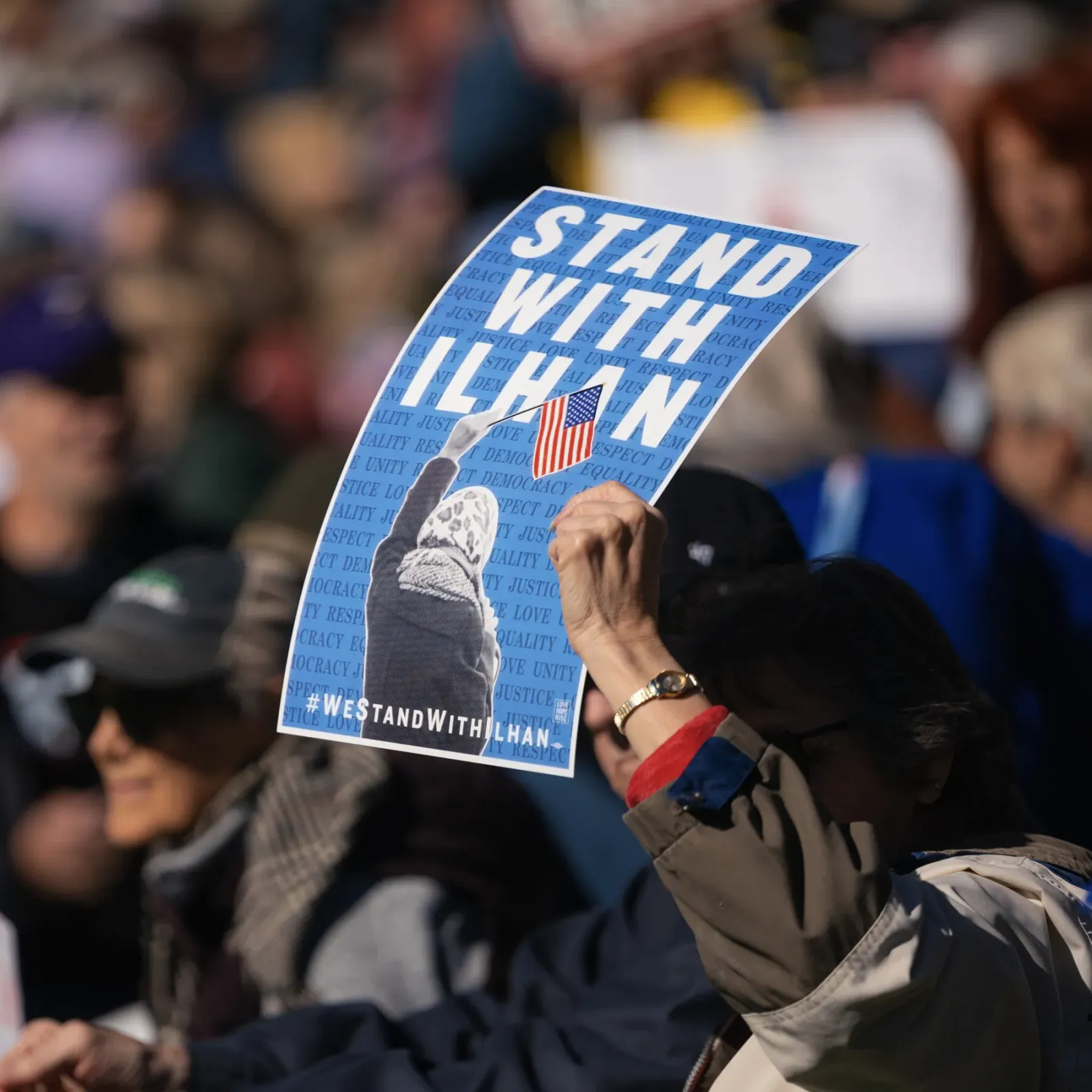
Obama Defends Ilhan Omar After Agents Search Her Home in Trump Inquiry
The former president's intervention raises the stakes in a federal probe into immigration paperwork that has put a prominent progressive lawmaker in the crosshairs.

Blair-era minister: cut welfare to fund youth job support
Alan Milburn's call for welfare cuts to fund employment support opens a Labour fight over benefits and the Neet crisis.

Hot September CPI: energy costs surge, voters feel the squeeze before midterms
The latest inflation print lands as Trump campaigns for GOP control of Congress, putting cost-of-living worries at the center of the midterm fight.